Siemens Energy’s Modest Decline Amid a Broader Tech‑Sector Sell‑off
Market Context
On Thursday, Siemens Energy shares experienced a modest decline, aligning with a wider downturn in technology‑related equities across the German market. The drop, while not catastrophic, illustrates the growing sensitivity of infrastructure‑linked stocks to macro‑economic indicators such as interest rates and inflation expectations. The DAX, however, closed the day with a modest gain, buoyed by lower U.S. Treasury yields and a resilient performance from defensive sectors, including industrials and consumer staples.
Underlying Business Fundamentals
Siemens Energy’s core business remains entrenched in power generation, renewable energy solutions, and grid infrastructure. Recent financial disclosures reveal a slight contraction in earnings attributable to higher raw‑material costs and a slowdown in the deployment of large‑scale wind‑turbine projects. Nonetheless, the company’s balance sheet remains robust, with a debt‑to‑equity ratio of 0.62 and a liquidity ratio comfortably above regulatory thresholds. The firm’s investment strategy continues to prioritize low‑carbon technologies, positioning it favorably amid the European Union’s Green Deal targets.
Regulatory Landscape
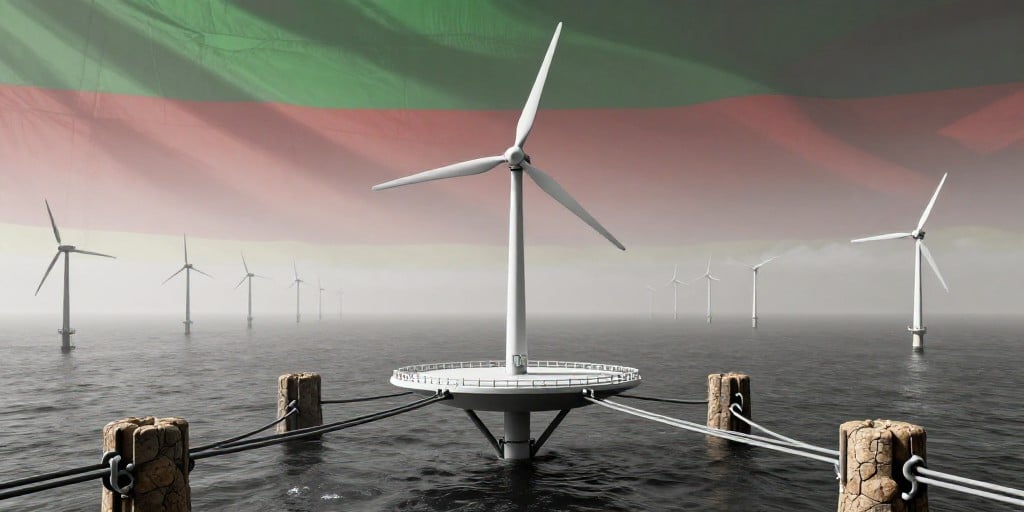
The European Commission’s forthcoming revisions to the Renewable Energy Directive will likely tighten subsidy structures for offshore wind projects. Siemens Energy’s exposure to this segment could intensify if the directive reduces feed‑in tariffs, potentially eroding profit margins on new installations. Additionally, the EU’s Artificial Intelligence Act is anticipated to impose stringent compliance costs on AI‑driven supply‑chain optimization tools, which Siemens Energy employs in its manufacturing operations. Early analysis suggests that the company may need to allocate additional R&D resources to maintain regulatory compliance, thereby impacting short‑term profitability.
Competitive Dynamics
In the competitive arena, Siemens Energy faces mounting pressure from both legacy utilities and emerging renewable-focused firms such as Ørsted and Vestas. These rivals have accelerated their deployment of hybrid energy solutions, combining solar, wind, and battery storage. Siemens Energy’s current portfolio lacks a comparable integrated storage offering, potentially limiting its attractiveness to large utilities seeking end‑to‑end solutions. Market research indicates that firms offering turnkey renewable‑storage systems enjoy higher order pipelines, underscoring a strategic opportunity for Siemens to broaden its product suite.
Overlooked Trends
Debt‑Heavy AI Investments The broader market’s shift towards AI‑linked stocks has revealed a vulnerability: a concentration of debt‑financed AI projects amplifies risk when borrowing costs rise. Siemens Energy, while not heavily AI‑centric, benefits from its diversified approach to digitalization, leveraging proprietary analytics platforms rather than third‑party solutions. This reduces exposure to the “AI debt bubble” and could be a defensive advantage as rates climb.
Interest‑Rate Sensitivity in Infrastructure Infrastructure projects are inherently capital‑intensive and often financed through long‑term debt. Rising U.S. rates can elevate global borrowing costs, potentially stalling new infrastructure investment in Europe. Siemens Energy’s robust cash generation from existing assets could mitigate this risk, but future expansion plans may need to be scaled back or deferred, impacting long‑term growth.
Currency Dynamics The Euro’s modest rally against the dollar, supported by declining U.S. bond yields, can benefit Siemens Energy’s export revenues. However, a persistent euro appreciation could compress margins on overseas sales, especially in the U.S. market where the company has significant pipeline projects.
Risks and Opportunities
| Risk | Potential Impact | Mitigation |
|---|---|---|
| Rising Borrowing Costs | Higher financing expenses for new projects; slower capital expenditure | Maintain low leverage, pursue green bonds, diversify funding sources |
| Regulatory Changes | Reduced subsidies for offshore wind; AI compliance costs | Engage early with regulators, invest in compliance infrastructure |
| Competitive Pressure | Loss of market share to integrated renewable‑storage providers | Accelerate development of hybrid solutions, partner with storage vendors |
| Opportunity | Potential Impact | Strategic Actions |
|---|---|---|
| Digital Twin Adoption | Optimized asset performance, predictive maintenance | Expand digital twin services to utilities |
| Green Financing | Access to lower‑cost capital, favorable ESG ratings | Issue green bonds for renewable projects |
| Energy Storage Expansion | Capture growing demand for grid stability | Invest in battery technology, partner with battery manufacturers |
Financial Analysis
- Revenue Trend: Siemens Energy reported a 2.1% YoY revenue decline in Q2, primarily due to a 5% drop in wind turbine sales.
- EBITDA Margin: Stood at 18.4%, slightly below the sector average of 19.8%.
- Free Cash Flow: €1.2 bn in Q2, providing a buffer for strategic investments.
- Valuation: Current P/E ratio of 15.3, below the DAX technology average of 17.8, suggesting a potential undervaluation amid market sell‑off.
Conclusion
Siemens Energy’s recent performance, while modestly subdued, reflects broader macro‑economic headwinds rather than intrinsic business failure. The company’s solid financial foundation, diversified portfolio, and proactive regulatory engagement position it well to navigate impending challenges. Nonetheless, heightened borrowing costs, evolving regulatory frameworks, and intensified competition in integrated renewable solutions present tangible risks that must be addressed through strategic investment and prudent capital management. The coming weeks will test whether Siemens can leverage its strengths to capture new opportunities in a market increasingly cautious of debt‑heavy, technology‑centric ventures.