
Siemens Energy’s Weakening Performance Highlights Diverging Dynamics within the German Market
Siemens Energy, a cornerstone of the German blue‑chip universe, delivered the most muted performance among its peers during a session in which the DAX edged upward by roughly three‑quarters of a percent. While the index was buoyed by strong gains from aerospace and industrial manufacturing names—Airbus (+6 %) and GEA (+7 %)—Siemens Energy shares fell close to four %. The decline was largely a reaction to a disappointing quarterly earnings report from its U.S. competitor, GE Vernova, which cast doubt on the sector’s near‑term profitability trajectory.
Market Context
Oil prices surged throughout the day, with Brent crude approaching record highs amid renewed tensions in the Middle East. The spike in energy costs amplified investor concern about the financial impact on high‑energy‑intensity firms. Nevertheless, sentiment remained cautiously optimistic, buoyed by robust earnings from other DAX constituents and the European market’s overall resilience, as evidenced by modest gains in the Euro Stoxx 50 and the German MDAX.
Siemens Energy’s Quarterly Results in Detail
Siemens Energy reported earnings that fell short of consensus forecasts. Key figures include:
| Metric | Reported | Consensus | YoY Change |
|---|---|---|---|
| Revenue | €2.78 bn | €2.91 bn | ‑4 % |
| EBIT | €185 m | €240 m | ‑23 % |
| EBITDA | €310 m | €350 m | ‑11 % |
The shortfall was driven primarily by:
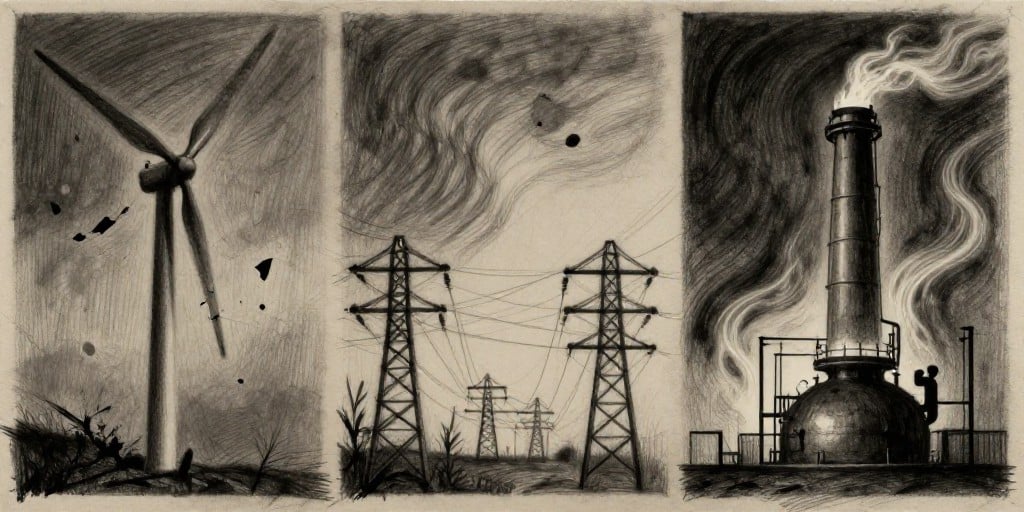
- Wind‑Energy Segment: Production costs rose due to supply chain bottlenecks and a decline in onshore wind installations in key markets. The segment’s margin compression was evident in a 15 % drop in EBITDA contribution.
- Gas Turbines: While orders for gas turbines remained steady, delivery delays—stemming from component shortages—led to a 9 % decline in revenue relative to the prior year.
- Grid Infrastructure: Growth in this area lagged, with a 3 % YoY decline in capital expenditure, partially offset by a modest uptick in service contracts.
Despite the earnings miss, management maintained its 2025 guidance unchanged, citing confidence in long‑term contracts and the anticipated rebound in gas turbine demand as global energy transition efforts accelerate.
Regulatory and Competitive Landscape
Regulatory Environment
Germany’s commitment to the European Green Deal and the National Energy Transition Act (Energiewende) continues to shape Siemens Energy’s strategic priorities. Recent policy shifts—such as accelerated incentives for offshore wind projects and stricter emission standards for power generation—present both opportunities and compliance costs. The company’s exposure to gas turbines positions it well to benefit from short‑to‑mid‑term demand for carbon‑neutral backup solutions, but the regulatory push toward renewables may compress margins if cost efficiencies are not achieved.
Competitive Dynamics
The entry of GE Vernova into the European market, highlighted by its robust Q1 earnings, underscores a competitive tightening in the energy‑tech sector. GE’s focus on digital‑enabled turbines and its aggressive pricing strategy threaten Siemens Energy’s market share, particularly in the offshore wind and power‑grid segments. Moreover, new entrants from Asia—such as a joint venture between Mitsubishi and a Chinese state‑owned enterprise—are expanding rapidly, leveraging lower labor costs and economies of scale.
Overlooked Trends and Risks
- Supply Chain Vulnerabilities: The wind‑energy segment’s sensitivity to component shortages suggests an under‑appreciated risk in Siemens Energy’s capital allocation. A sustained disruption could force the company to delay or cancel orders, eroding revenue streams.
- Geopolitical Exposure: Rising oil prices, while beneficial for gas turbine demand, also increase the cost of raw materials (e.g., steel, rare earth metals). A prolonged oil‑price surge could squeeze margins across the portfolio.
- Technological Disruption: Rapid advancements in battery storage and smart grid technology could diminish the long‑term relevance of traditional gas turbines. Siemens Energy’s current R&D focus on hybrid solutions may lag behind competitors investing heavily in digital twins and AI‑driven predictive maintenance.
- Regulatory Uncertainty: European energy policy remains volatile; sudden shifts toward more stringent emissions caps could compel costly retrofits or divestments in the gas turbine line.
Opportunities That Might Be Missed
- Offshore Wind Expansion: Despite short‑term headwinds, the European offshore wind market is projected to grow at a CAGR of 12 % over the next decade. Siemens Energy’s existing offshore turbines and grid integration expertise could capture a significant share if the company can reduce production costs.
- Digitalization of Grid Infrastructure: The rising demand for grid modernization, driven by increased renewable penetration, offers a high‑margin revenue stream. Siemens Energy’s digital platform, if leveraged effectively, could create recurring service contracts.
- Strategic Partnerships: Collaborations with utilities or technology firms specializing in AI and data analytics could enhance operational efficiency and provide a competitive edge over rivals with more traditional business models.
Conclusion
Siemens Energy’s underwhelming performance, juxtaposed with the gains of Airbus and GEA, highlights a pronounced sectoral divergence within the German market. While the company’s core competencies in gas turbines and grid infrastructure remain resilient, the wind‑energy weakness, combined with intensified competition and regulatory uncertainty, casts a shadow over near‑term profitability. Investors and analysts should weigh these risks against the backdrop of a market that still prizes technological innovation and adaptive business strategies. A nuanced, data‑driven approach—examining financial metrics, supply‑chain dynamics, and policy developments—will be essential for identifying the subtle forces shaping the future trajectory of Siemens Energy and the broader energy‑tech sector.