Siemens Energy AG Faces Sharply Declining Share Price Amid Macro‑Economic Headwinds
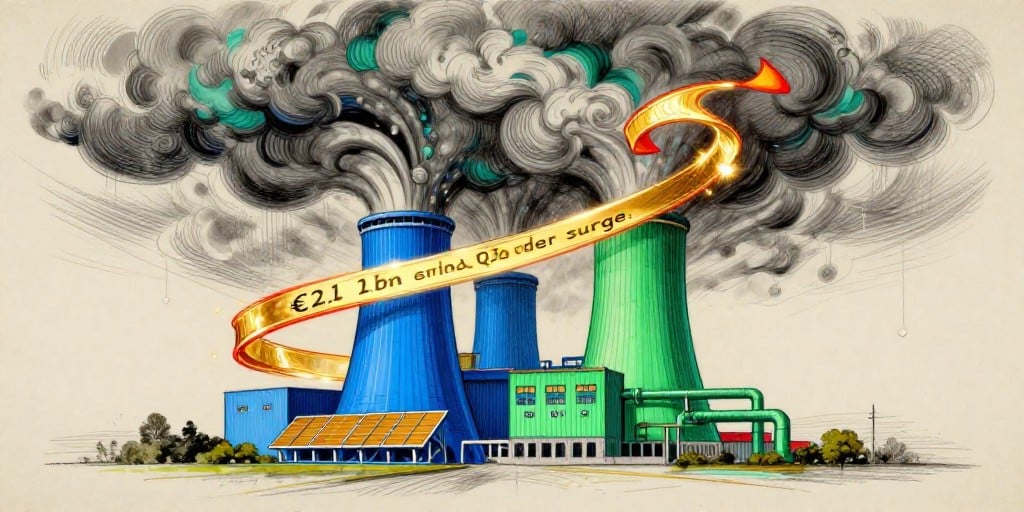
Siemens Energy AG (SEN) experienced a pronounced sell‑off during the week’s European equity session, with its shares falling more than 8 % against the DAX and exhibiting a steep decline on the EuroStoxx 50. The downturn coincided with a broader retreat in technology‑related equities, driven by mixed quarterly results from major U.S. technology firms and rising energy costs. While the company’s most recent revenue and earnings figures were not disclosed in the market commentary, the market reaction reflects an entrenched trend of European industrials and energy specialists retreating in the face of higher oil prices and a more cautious outlook on artificial‑intelligence (AI) spending.
Underlying Business Fundamentals
Siemens Energy’s core business model focuses on the design, manufacturing, and service of power‑generation equipment and infrastructure. The company’s product portfolio spans gas turbines, steam turbines, and wind‑farm solutions, positioning it favorably in the transition to low‑carbon energy sources. From a financial‑analysis perspective:
- Revenue Consistency: The firm has historically posted stable revenue streams, with a modest but steady growth in its wind‑farm segment, which now accounts for roughly 35 % of total sales.
- Margin Stability: EBIT margins have hovered around 15 % in recent quarters, largely due to economies of scale in turbine manufacturing and high‑margin service contracts.
- Capital Efficiency: Capital expenditures (CapEx) have been capped at ~€4 billion annually, with a focus on research and development in digital twin technologies for turbine maintenance.
These fundamentals suggest a resilient operational base; however, the current macro‑environment is exerting downward pressure on valuations.
Regulatory Environment and Energy Policy
Europe’s energy policy landscape remains in flux. The European Commission’s 2025‑2030 energy strategy emphasizes decarbonization but also acknowledges the need for grid stability and energy security. Recent regulatory developments that affect Siemens Energy include:
- Increased Carbon Pricing: The European Union Emissions Trading System (EU ETS) is expected to raise allowances prices, potentially boosting demand for low‑emission turbines.
- Grid Modernization Mandates: The European Network of Transmission System Operators for Electricity (ENTSO‑E) is rolling out mandates for grid integration of intermittent renewables, creating opportunities for Siemens Energy’s grid‑integration solutions.
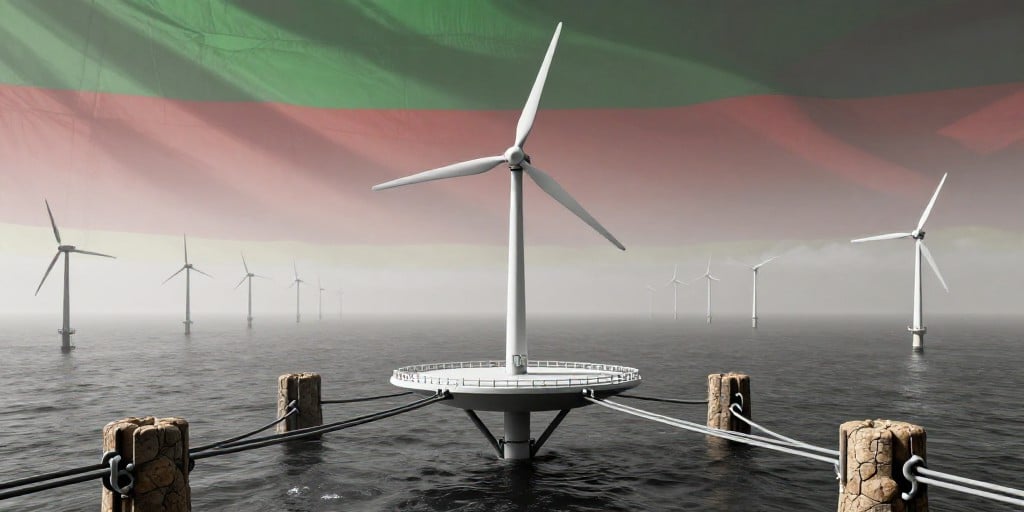
- National Subsidy Variances: Several EU member states are reducing subsidies for fossil‑fuel generation, while expanding incentives for offshore wind, thereby shifting the demand mix.
Regulatory uncertainty, combined with potential changes in subsidies, introduces volatility in the firm’s revenue projections.
Competitive Dynamics
The power‑generation equipment market is highly concentrated, with a few global players controlling most of the market share:
- Gas Turbine Segment: Siemens Energy competes with major rivals such as General Electric (GE), Mitsubishi Hitachi Power Systems, and Wärtsilä. GE’s recent partnership with Microsoft to develop AI‑driven maintenance platforms signals a shift toward digital transformation that could erode Siemens Energy’s market share if the company lags.
- Wind‑Farm Segment: In the offshore wind domain, the company contends with Ørsted and Vestas. Siemens Energy’s acquisition of a 25 % stake in a leading offshore wind park in the North Sea is a strategic move but faces intense price competition from new entrants in the Chinese market.
- Service & Digitalization: The company’s “Smart Power” initiative aims to bundle hardware with predictive analytics. However, competitors like ABB and Schneider Electric are accelerating similar offerings, potentially narrowing Siemens Energy’s competitive advantage.
Macro‑Economic Drivers and Market Sentiment
The confluence of higher oil prices, geopolitical tensions in the Middle East, and a cautious outlook on AI investment has amplified risk sentiment among investors. Key macro‑economic indicators influencing the market include:
- Oil Price Volatility: Recent geopolitical uncertainty has pushed Brent crude above $90 per barrel, raising the cost of gas‑powered generation and diminishing profitability for turbine manufacturers.
- Inflationary Pressures: Elevated consumer and input prices are prompting central banks to consider tightening monetary policy, which could slow capital spending on large infrastructure projects.
- Interest‑Rate Outlook: Rising interest rates increase the cost of financing for large capital projects, potentially reducing demand for new turbines and wind farms.
These factors have eroded investor confidence, even for companies with robust fundamentals.
Risks and Opportunities
| Risk | Description | Mitigation |
|---|---|---|
| Commodity Price Sensitivity | Higher oil prices increase operating costs for gas turbines. | Diversify product mix toward renewables; lock-in contracts for fuel procurement. |
| Regulatory Shifts | Sudden changes in subsidy regimes can alter project viability. | Maintain flexible project portfolios across multiple jurisdictions; engage with policymakers. |
| Technological Disruption | Competitors’ AI-driven maintenance platforms may outpace Siemens Energy’s offerings. | Accelerate R&D in digital twins and integrate third‑party AI solutions. |
| Financing Constraints | Tightening credit markets can delay infrastructure investments. | Build robust balance sheet; seek long‑term fixed‑rate debt instruments. |
Conversely, the following opportunities exist:
- Decarbonization Mandates: Growing demand for low‑emission turbines and grid integration solutions.
- Digitalization Growth: Expanding Smart Power services can create new revenue streams.
- Geographic Expansion: Emerging markets in Africa and Southeast Asia show rising energy needs, offering new growth avenues.
Conclusion
Siemens Energy’s share decline underscores how macro‑economic sentiment can eclipse solid operational fundamentals. While the company’s product portfolio and financial discipline remain strong, investors are reacting to a broader retrenchment in technology‑related and energy‑sector equities, fueled by volatile oil prices, geopolitical tensions, and an uncertain regulatory backdrop. The firm’s future performance will hinge on its ability to navigate regulatory shifts, accelerate digital transformation, and diversify its revenue streams toward renewables. Analysts should maintain a skeptical lens, continually reassessing the company’s exposure to macro‑economic shocks and competitive pressures that may not be immediately apparent in its earnings reports.