
Siemens Energy AG: Market Performance Amidst Continued Capital Investment and Technological Advancement
Siemens Energy AG experienced a modest decline in its share price during the trading session on 29 April, with the stock closing approximately 2.5 % lower than its opening level. The decline was reflected across German equity markets, where the company’s performance contributed to a slight downturn in both the DAX and the Euro STOXX 50 indices.
Financial Fundamentals Remain Robust
Despite the recent price drop, Siemens Energy’s broader financial metrics remain robust. Analyses from XTB and other market observers note that the firm’s free cash flow and operating cash flow have both grown over the past year. This growth is supported by strong earnings from its renewable‑energy and power‑grid businesses, underscoring the company’s ability to generate consistent cash flows even as it undertakes significant capital projects.
Capital‑Intensive Expansion in Wind and Solar
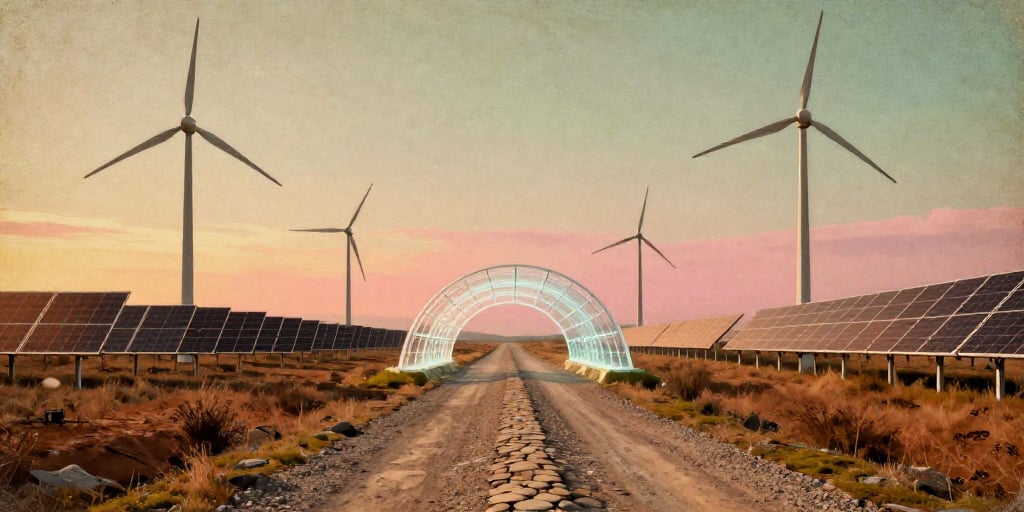
Siemens Energy’s investment plan for the coming years remains focused on expanding wind‑ and solar‑generation capacity, along with the development of advanced power‑grid solutions. The company’s guidance indicates continued optimism about its revenue mix, with expectations that renewable sources will maintain a leading share of the output mix in the medium term. This trajectory aligns with broader industry trends, wherein utilities and power producers are increasingly allocating capital toward renewable portfolio expansions to meet decarbonization targets and regulatory incentives.
Technological Innovation in Heavy Industry
From an engineering perspective, the company’s focus on advanced power‑grid solutions involves the integration of smart‑grid technologies, digital twins, and predictive maintenance algorithms. These innovations aim to improve grid reliability, reduce operational losses, and enhance the integration of variable renewable generation. The adoption of high‑capacity transmission lines and voltage‑upgrade projects further positions Siemens Energy to support the decarbonization of heavy industry sectors that rely on large, steady power inputs.
Supply‑Chain and Regulatory Considerations
The supply chain for wind‑turbine blades, solar PV modules, and grid equipment continues to experience volatility due to geopolitical tensions, tariffs, and component shortages. Siemens Energy’s procurement strategy mitigates these risks through long‑term contracts with diversified suppliers and vertical integration of critical components such as gearboxes and power electronics. Regulatory changes—particularly in the European Union’s Fit‑for‑55 package—provide a favorable framework for capital investment in renewable infrastructure, while also imposing stringent emissions and safety standards that require ongoing investment in compliance technologies.
Infrastructure Spending and Market Implications
Infrastructure spending in Germany remains a key driver of capital expenditure for energy companies. The federal government’s commitment to expanding the national grid, coupled with the European Green Deal’s emphasis on cross‑border energy trade, creates a conducive environment for Siemens Energy to secure large‑scale contracts. These projects not only stimulate capital outlays but also generate substantial job creation in engineering, manufacturing, and site‑construction sectors, thereby reinforcing the company’s economic footprint.
Market Sentiment and Volatility Drivers
Market commentary indicates that Siemens Energy’s share price has benefited from a broader rebound in the German equity market. However, a degree of volatility persists, linked to geopolitical developments (e.g., supply‑chain disruptions) and central‑bank policy decisions that influence risk appetite and funding costs. Short‑term price swings are therefore expected to continue, even as the firm’s long‑term financial health and investment outlook remain solid.
In summary, Siemens Energy AG demonstrates a resilient balance sheet, a clear investment roadmap focused on renewable generation and smart‑grid infrastructure, and a strategic response to supply‑chain and regulatory dynamics. While market sentiment may introduce short‑term volatility, the company’s technical expertise, capital‑intensive expansion plans, and alignment with global decarbonization imperatives position it favorably within the evolving industrial landscape.