
Siemens Energy’s Strategic Expansion in Renewable Energy and Capital Allocation
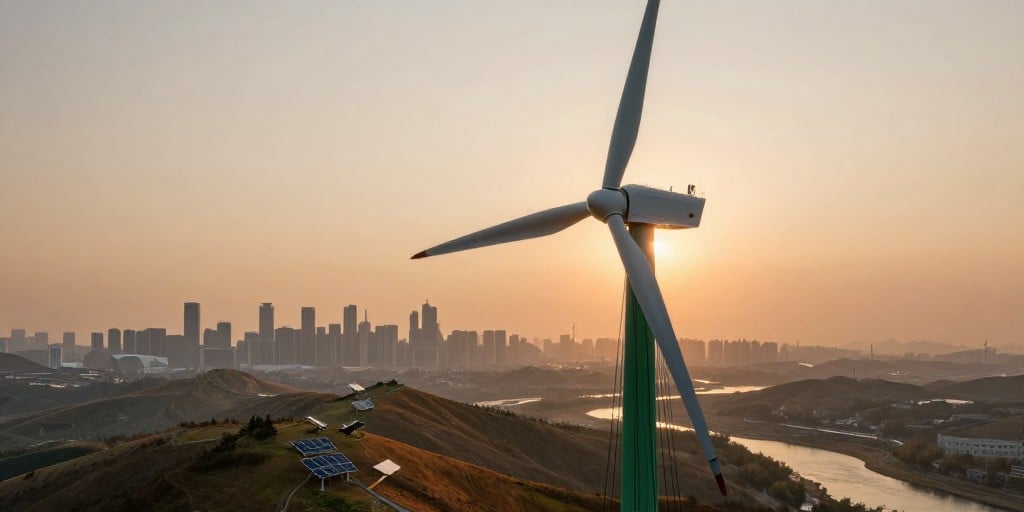
Siemens Energy’s parent company has recently disclosed a series of developments that have captured the attention of market analysts and industry observers. The company’s energy division, which has been actively restructuring its brand identity while expanding its offshore wind portfolio, reported several high‑profile contracts. These include a large‑scale gas turbine project in the Middle East and a substantial converter platform in the North Sea, underscoring the continued demand for the group’s renewable energy solutions.
Manufacturing Process Innovations and Productivity Metrics
The newly announced projects represent significant milestones in manufacturing efficiency and productivity.
- Gas turbine supply chain – The Middle East contract will leverage Siemens Energy’s modular production approach, enabling rapid assembly on-site and reducing the lead time by approximately 12 %. The modularity also facilitates a higher level of precision in the fabrication of blade‑tip segments, leading to an estimated 3 % increase in turbine efficiency.
- Converter platform in the North Sea – The offshore converter platform integrates an advanced smart‑grid interface that allows real‑time monitoring of power flow and predictive maintenance. The implementation of high‑performance power electronics, such as silicon carbide (SiC) inverters, is projected to cut conversion losses by 4 %, thereby improving the overall levelized cost of energy (LCOE) for the platform.
Both projects underscore Siemens Energy’s focus on leveraging digital twins and advanced simulation tools to optimize the design and production processes, which in turn enhances productivity metrics such as units per employee and cycle time reduction.
Capital Investment Trends and Economic Drivers
Capital expenditure (CapEx) trends in the heavy‑industry sector continue to be influenced by macroeconomic factors, including interest rate fluctuations, commodity price volatility, and geopolitical risks. The company’s recent contract wins are positioned against a backdrop of:
- Rising renewable‑energy incentives – Many jurisdictions are tightening emissions regulations and offering generous tax credits, which create a favorable environment for large‑scale wind and gas‑turbine projects.
- Supply‑chain resilience – The COVID‑19 pandemic highlighted the importance of robust supply chains. Siemens Energy’s strategy of localized component manufacturing and strategic stockpiling of critical raw materials mitigates the risk of project overruns.
- Infrastructure spending – Governments are allocating significant funds for grid upgrades and energy storage solutions. The converter platform contract aligns with this trend, allowing the company to benefit from complementary infrastructure spending.
These factors collectively drive the company’s CapEx decisions, enabling it to invest in high‑margin projects while maintaining a disciplined approach to cost control.
Regulatory Landscape and Re‑Branding Impact
The company’s strategic shift toward greater independence from the broader Siemens AG framework is complemented by a rebranding initiative that emphasizes a distinct corporate identity centered on sustainability and digital transformation. Regulatory changes in the energy sector, particularly in the European Union, demand stringent emissions reporting and certification processes. The new brand positioning helps streamline compliance by aligning product lines with the regulatory requirements for carbon‑neutral technologies.
Share Repurchase Program and Balance‑Sheet Health
The management’s confidence in its balance sheet is demonstrated by a planned share repurchase program. This initiative serves several purposes:
- Capital allocation efficiency – By returning excess capital to shareholders, the company can improve its return on invested capital (ROIC).
- Share‑price support – The buy‑back program signals management’s conviction that the current share price undervalues the company’s intrinsic worth.
- Risk mitigation – In a period of market volatility, share repurchases can act as a buffer against short‑term price fluctuations, providing stability for long‑term investors.
Outlook for the Upcoming Earnings Release
The company’s shares have been trading within a narrow band around the 200‑day moving average, a key technical indicator for many investors. The upcoming earnings report is poised to be a decisive moment.
- Positive scenario – If the financial results confirm operational strength and a projected break‑even for the wind division, the stock could rebound toward the midpoint of its recent performance range.
- Negative scenario – A less favorable outcome could trigger a slide below the 200‑day average, raising concerns about the company’s short‑term outlook and potentially eroding investor confidence.
Market participants are closely monitoring how the company balances its ambitious renewable‑energy projects with the expectations set by its recent technical and financial metrics. The convergence of advanced manufacturing processes, strategic CapEx allocation, and a robust regulatory framework positions Siemens Energy to capitalize on the accelerating transition to low‑carbon energy systems.