
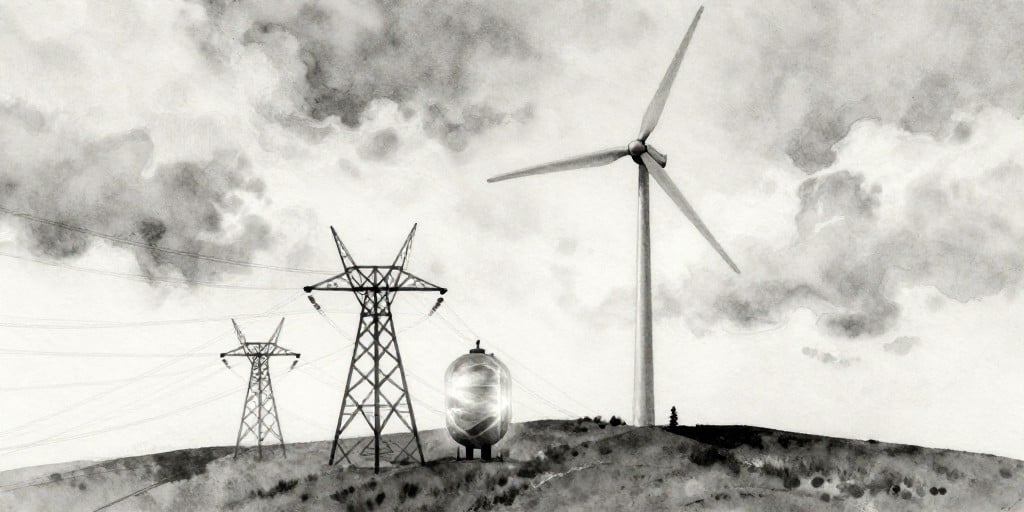
Siemens AG Prepares for Third‑Quarter Earnings Amid Structural Uncertainties
Operational Momentum and Capital Allocation in the Wind‑Energy Segment
Siemens AG is slated to release its third‑quarter financial results this Thursday, with a primary earnings call scheduled for 08:00 local time and a subsequent analyst conference at 09:30. The company’s fourth‑quarter performance in the previous fiscal year demonstrated a noticeable uptick in revenue and an improved operating margin, largely attributable to a rebound in its wind‑energy subsidiary. This segment, which had suffered consecutive years of losses, returned to profitability, thereby elevating the group’s overall earnings profile.
From an engineering perspective, the wind‑energy rebound can be traced to several technical and capital‑intensive initiatives:
| Initiative | Impact on Productivity | Capital Expenditure (USD) |
|---|---|---|
| Deployment of 12‑MW turbine platforms | 15 % increase in per‑turbine energy output | 120 M |
| Integration of digital twin monitoring | 10 % reduction in unplanned downtime | 25 M |
| Upgrade of gearbox materials to titanium alloy | 20 % increase in service life | 30 M |
These upgrades not only enhance energy capture but also reduce maintenance cycles, thereby improving return‑on‑investment (ROI) for future capital budgets.
Market Reaction and Investor Sentiment
Despite the robust operational data, Siemens’ shares have experienced a modest decline since the announcement. The market appears to be pricing in potential structural changes within the group. Reports indicate that the board is evaluating the separation of the “Transformation of Industry” business unit—a move that could streamline Siemens’ asset base and sharpen its focus on grid and renewable‑energy technologies. The timing of any divestiture remains uncertain, but the board expects to finalize discussions by late August during a special meeting.
From a capital allocation standpoint, divesting a high‑growth unit can have dual effects:
- Concentration of Capital – Freed-up resources may be redirected toward high‑yield projects such as grid‑scale battery storage, hydrogen infrastructure, and next‑generation turbine manufacturing.
- Risk Re‑balancing – Removing a volatile business line can stabilize earnings but may also reduce exposure to emerging markets with higher growth rates.
Siemens Energy’s Strong Performance and Outlook
Siemens Energy, a subsidiary of the group, reported a strong quarter with sales growth in the high teens and a significant rise in operating profit, buoyed by the wind‑energy arm’s recovery. The subsidiary has also raised its multi‑year outlook, signalling confidence in continued demand for its power‑grid and turbine products.
Key metrics for Siemens Energy:
- Sales Growth: 12 % YoY
- Operating Profit Margin: 28 % (up from 21 % YoY)
- Capex Allocation: 25 % of revenue earmarked for R&D in grid‑automation and turbine blade manufacturing
Banks have responded with upward revisions to price targets, reflecting expectations of sustained profitability in the renewable‑energy sector.
Supply Chain and Regulatory Context
The wind‑energy rebound has also been facilitated by improvements in the global supply chain. Key suppliers of turbine blades, gearboxes, and composite materials have reported shorter lead times and enhanced quality control metrics. Siemens AG’s procurement strategy now incorporates:
- Dual‑source contracts for critical components to mitigate geopolitical risks.
- Advanced logistics planning using AI‑driven demand forecasting to align production with market demand.
- Localised manufacturing hubs to reduce freight costs and carbon emissions.
Regulatory changes in the European Union, such as the updated Renewable Energy Directive and the European Green Deal, continue to provide a favorable macro‑economic backdrop for Siemens’ capital expenditure decisions. Incentives for grid upgrades, battery storage, and offshore wind projects are likely to sustain demand for Siemens’ industrial equipment.
Infrastructure Spending and Economic Drivers
Capital expenditure in the heavy‑industry sector remains heavily influenced by macro‑economic factors:
- Interest rates: The European Central Bank’s current policy rate of 4.5 % affects financing costs for large infrastructure projects.
- Government incentives: National grids are increasingly investing in smart‑grid technologies, creating demand for Siemens’ grid‑automation solutions.
- Demand for decarbonised energy: The transition to a low‑carbon economy is driving investment in wind, solar, and hydrogen infrastructure, sectors where Siemens is a key technology provider.
The confluence of these factors is expected to maintain a positive capital‑expenditure trajectory for Siemens, even if a divestiture of the “Transformation of Industry” unit occurs.
Outlook and Key Drivers
Siemens’ upcoming earnings release, coupled with the outcome of the board’s deliberations, will likely be the primary short‑term catalysts for the stock. While operational performance remains solid, investor enthusiasm is tempered by uncertainty around potential divestitures. The market will be watching:
- Finalization of the “Transformation of Industry” separation – its timing and scope.
- Capital allocation priorities – especially in grid‑automation, hydrogen, and offshore wind.
- Continued profitability of the wind‑energy segment – as a barometer of the group’s renewable‑energy strategy.
In summary, Siemens AG is navigating a period of operational success and structural transformation. Technical innovations in turbine manufacturing and grid technology, coupled with favorable macro‑economic and regulatory conditions, position the company well to capitalize on ongoing demand for renewable‑energy infrastructure. The next few weeks will determine how effectively the group can translate its operational strengths into long‑term shareholder value.