
Corporate News – Market Dynamics in the Global Bicycle and Components Sector
Executive Summary
Shimano Inc. remains a pivotal force in the bicycle and components industry, which is evolving amid heightened urban mobility demands and the rapid expansion of e‑bikes. The sector’s steady growth, underpinned by sustainability initiatives and shifting consumer expectations, is reshaping the competitive landscape. This article examines how lifestyle trends, demographic shifts, and cultural movements translate into tangible market opportunities, emphasizing the synergy between digital transformation and physical retail, generational spending patterns, and the evolving consumer experience.
1. Market Context: From Leisure to Essential Mobility
Urban centers worldwide are undergoing a mobility renaissance. Public investment in cycling infrastructure—bike lanes, parking facilities, and integrated transit hubs—combined with government incentives for e‑bike purchases has repositioned bicycles from recreational items to indispensable commuting tools. Analysts project the global value of bicycles and their components to rise steadily over the next decade, reflecting this transition.
- Sustainability as a Driver: Environmental consciousness and climate‑action mandates encourage consumers to adopt low‑carbon transport modes.
- Government Incentives: Subsidies, tax rebates, and procurement policies favor e‑bike adoption, reinforcing the market’s growth trajectory.
- Infrastructure Development: Dedicated cycling networks reduce perceived risk and increase daily usage, creating a recurring demand for replacement parts.
2. Components: The Accelerating Growth Engine
While the market for complete bicycles is expanding, the components segment is outpacing it due to heightened customization and frequent replacement cycles. Several key dynamics are at play:
2.1 Electronic Shifting and Premium Segments
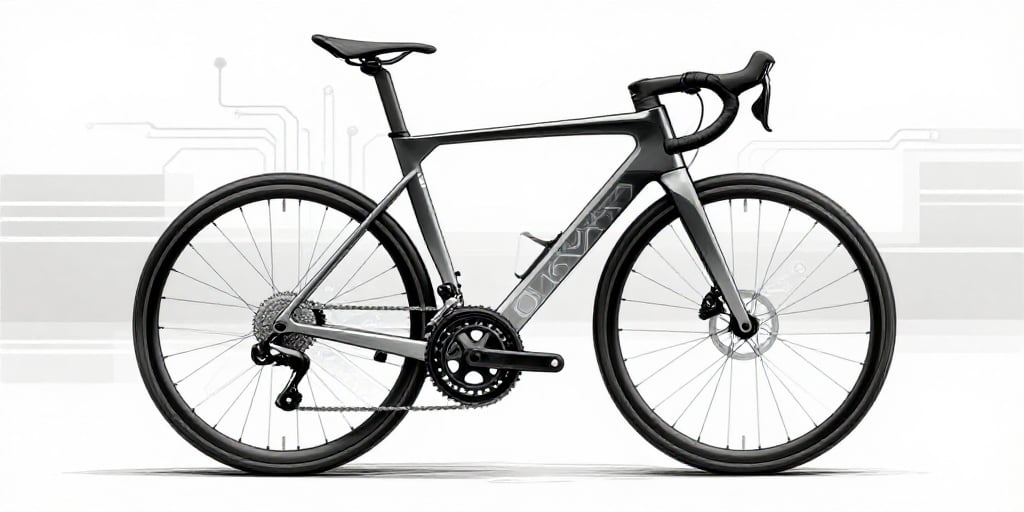
Shimano’s strategic focus on advanced drivetrain systems, particularly electronic shifting, positions it at the forefront of performance and durability. These systems cater to a growing cohort of cyclists who prioritize precision, ease of maintenance, and seamless integration with smart devices.
- Lightweight Materials: Ongoing research into carbon composites and titanium alloys reduces component weight without compromising strength, appealing to performance‑oriented consumers.
- Smart Technologies: Connectivity features—real‑time diagnostics, firmware updates, and predictive maintenance—enhance the user experience and create new data‑driven revenue streams.
2.2 Mid‑Drive Motors and Urban Utility
The trend toward mid‑drive motors in e‑bikes, favored for their torque efficiency and balanced weight distribution, aligns with Shimano’s emphasis on battery‑optimized powertrains. This convergence supports the broader shift to sustainable urban commuting, especially in regions with varied topography.
3. Competitive Landscape and Innovation Pressure
3.1 New Entrants and Pricing Dynamics
Wheeltop, a recent entrant, offers cost‑effective electronic groupsets that rival premium performance while remaining accessible to mid‑tier markets. Its emergence signals heightened competitive pressure that could trigger:
- Price Reductions in high‑performance segments, making advanced technology attainable for a broader consumer base.
- Accelerated R&D to differentiate through proprietary features such as improved power delivery, longer battery life, or enhanced ergonomics.
3.2 Geographic Variations
- Asia Pacific: Dominance in sales stems from a dense urban population, a robust manufacturing ecosystem, and a strong culture of daily commuting.
- Europe: Rapid e‑bike adoption is fueled by stringent motor‑power regulations that ensure safety compliance, thereby expanding the market for compliant, high‑quality components.
- North America: Rising fuel costs and favorable policy support catalyze growth, especially for mid‑drive models that deliver superior performance across diverse terrains.
4. Consumer Experience: The Digital–Physical Nexus
4.1 Retail Transformation
Physical retail is no longer a mere point of purchase; it has become an experiential hub. Brands are integrating digital touchpoints—augmented reality fitting tools, data‑driven maintenance alerts, and personalized product recommendations—within brick‑and‑mortar stores to bridge the gap between online convenience and tactile assurance.
- Omni‑Channel Integration: Seamless transitions between online browsing, in‑store trials, and after‑sales support enhance brand loyalty.
- Community Engagement: In‑store events, workshops, and local cycling clubs foster a sense of belonging, amplifying brand affinity.
4.2 Generational Spending Patterns
Millennials and Gen Z prioritize authenticity, sustainability, and tech integration. They are willing to invest in premium components that reflect their values and lifestyle preferences. Conversely, older generations may favor reliability and cost‑effectiveness but are increasingly receptive to smart features that simplify maintenance.
- Personalization: Customized component bundles and subscription services cater to diverse preferences across age cohorts.
- Social Proof: User-generated content and influencer collaborations shape purchasing decisions, especially among younger consumers.
5. Forward‑Looking Analysis: Market Opportunities for Stakeholders
- Innovation Investment: Companies should double down on lightweight, smart drivetrain technologies, leveraging data analytics to anticipate wear patterns and enhance customer service.
- Pricing Strategy: The emergence of affordable high‑performance options necessitates value‑based pricing models that differentiate by service, warranty, and ecosystem integration.
- Geographic Expansion: Emerging markets in Southeast Asia and Latin America present untapped growth opportunities, provided brands can adapt to local infrastructure realities and regulatory environments.
- Digital Ecosystem Development: Partnerships with mobile app developers, data providers, and cloud services will enable richer, connected rider experiences and unlock new revenue streams.
- Sustainability Credentials: Transparent supply chains, recyclable materials, and circular economy initiatives will resonate with socially conscious consumers and can serve as a competitive moat.
Conclusion
Shimano’s sustained investment in advanced drivetrain and electronic shifting technologies positions it favorably to capture the expanding global bicycle and components market. Simultaneously, the advent of cost‑effective competitors like Wheeltop signals an industry poised for accelerated innovation and price flexibility. By aligning product development with evolving lifestyle trends, demographic preferences, and digital‑physical retail integration, stakeholders can unlock new value propositions that resonate with a diverse, sustainability‑driven consumer base.