Shell plc Continues Share‑Buyback Amid Market Volatility
Shell plc’s share‑buyback programme, announced on 29 October, entered its second week in November with a series of repurchases executed across six trading venues. On 9 November the company cancelled more than 1.8 million shares, a transaction spread between the London Stock Exchange, Chi‑X, BATS, XAMS, CBOE DXE and TQEX. Prices paid remained within a narrow band, reflecting the pre‑set parameters of the programme and the company’s authority to repurchase shares in accordance with UK and EU market‑abuse regulations.
The buy‑back was carried out under the guidance of BNP Paribas for the on‑market side and Natixis for the off‑market side. Both financial institutions acted independently of Shell within the established timeframe, which extends to 29 January 2027. The programme complies with Chapter 9 of the UK Listing Rules and Article 5 of the Market Abuse Regulation, thereby aligning with post‑Brexit legal frameworks.
Market Reaction
Shell shares experienced a modest decline in early London trade, a movement consistent with broader downtrends in energy names driven by falling oil prices and heightened geopolitical tensions. Despite the slight dip, analysts view the buy‑back as a routine corporate‑finance initiative aimed at returning value to shareholders rather than a signal of a strategic shift. The programme’s structure—combining on‑market and off‑market transactions—demonstrates an adaptable approach designed to minimise market impact while adhering to regulatory standards.
Sector‑Specific Dynamics
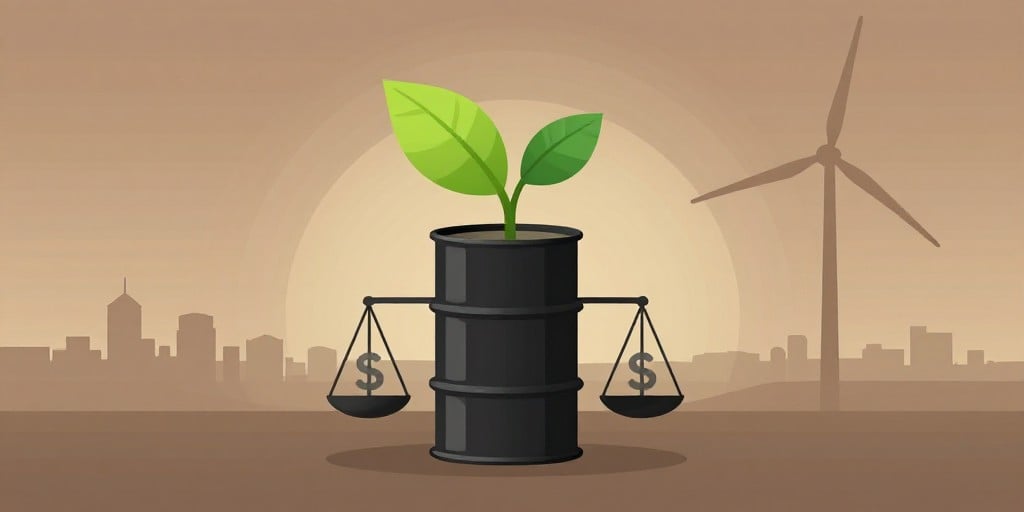
The energy sector continues to grapple with a confluence of factors: volatile commodity prices, regulatory pressures, and a rapid pivot toward low‑carbon alternatives. Shell’s decision to maintain an active buy‑back programme reflects a broader trend among established energy firms that seek to balance capital allocation with shareholder expectations. By repurchasing shares, Shell can improve earnings per share metrics and signal confidence in its long‑term value proposition, even as it navigates the transition to a more sustainable energy mix.
Competitive Positioning
In comparison to peers such as BP and TotalEnergies, Shell’s buy‑back pace remains steady. While some competitors have scaled back share repurchases to invest in renewable infrastructure, Shell has opted for a balanced approach that preserves liquidity for both exploration activities and shareholder returns. This strategy positions Shell to respond flexibly to evolving market conditions without compromising its competitive advantage in upstream and downstream operations.
Broader Economic Context
The continuation of Shell’s buy‑back programme occurs against a backdrop of tightening monetary policy, persistent inflationary pressures, and an uncertain geopolitical landscape. These macroeconomic factors influence investor sentiment across the energy sector, affecting valuations and capital‑allocation decisions. Shell’s adherence to stringent regulatory compliance—both under UK and EU frameworks—reinforces investor confidence in its governance practices during a period of heightened scrutiny over corporate conduct and transparency.
Conclusion
Shell plc’s ongoing share‑buyback activity underscores the company’s commitment to delivering shareholder value while maintaining compliance with evolving regulatory regimes. The programme’s execution across multiple trading venues, guided by independent financial institutions, highlights Shell’s analytical rigor and adaptability in navigating both sector‑specific dynamics and broader economic trends. As the company approaches the programme’s conclusion in early 2027, stakeholders will continue to monitor how this corporate‑finance strategy aligns with Shell’s long‑term strategic objectives within a rapidly changing energy landscape.