Corporate Update – Shell plc
Shell plc announced a markedly improved outlook for the third quarter, driven principally by a sharp uptick in oil and gas prices that has been sustained by the ongoing Middle‑East conflict. The company’s management highlighted several key metrics that illustrate how the firm is capitalising on the current commodity environment.
1. Refined‑Product Margins Reach Record Levels
Shell’s refining margin for the quarter has surged to record highs. This improvement is attributed to a combination of higher crude‑oil prices and a tightening global supply of refined products. The margin lift translates into a more favourable return on capital invested in refining assets, bolstering the company’s earnings‑per‑share profile.
2. Integrated Gas Production Upswing
Integrated gas output is projected to climb to 740–780 thousand barrels of oil equivalent per day (boe/d), up from 631 boe/d in the preceding quarter. The increase is expected to be supported by both upstream natural‑gas fields and enhanced LNG infrastructure. While the rise in liquefied natural‑gas volumes is modest, it signals a steady expansion in the company’s gas portfolio, which is increasingly important in the transition to lower‑carbon fuels.
3. Upstream Oil Outlook
Upstream oil production is forecast to stay robust, with a slight tightening of the guidance range. This forecast reflects the company’s ongoing investment in high‑quality, low‑cost fields that remain resilient even in volatile market conditions.
4. Share‑Buyback Programme
During the quarter, Shell executed a share‑buyback programme, purchasing several hundred thousand shares on both the London and Amsterdam exchanges. The repurchases fall within the parameters set by UK listing rules and form part of a broader strategy to return capital to shareholders. This initiative reinforces investor confidence and signals management’s commitment to shareholder value creation.
5. Operational Adjustments Amid Weather Threats
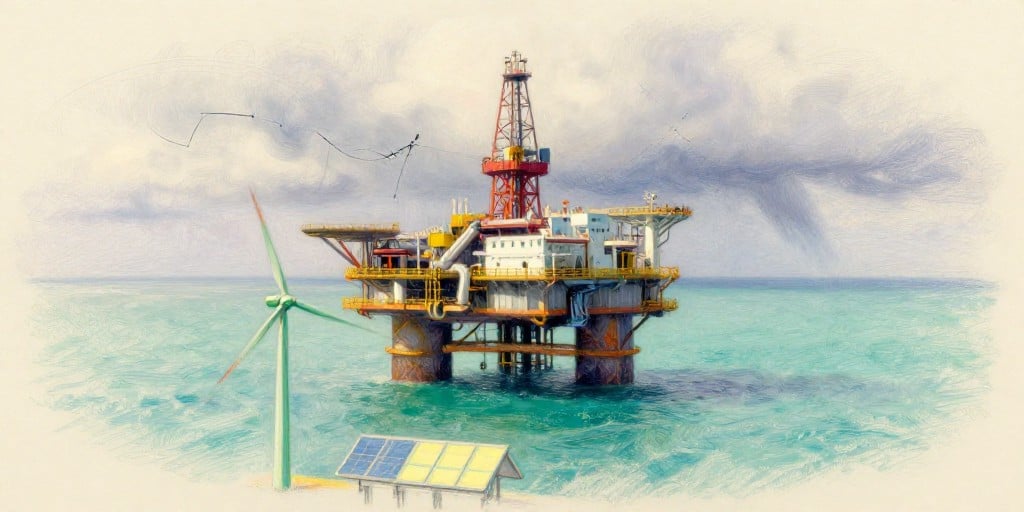
Shell temporarily shut down offshore assets in the Gulf of Mexico in anticipation of Tropical Storm Isaias. The precautionary shutdown mirrored actions taken by peers such as Chevron, prioritising personnel safety and equipment protection. The resulting production dip was short‑lived, with operations expected to resume at full capacity once the weather threat has passed.
6. Geopolitical Impact on Commodity Prices
The company’s latest updates underscore the significant influence of geopolitical tensions on commodity pricing. Elevated oil and gas prices, driven by the Middle‑East conflict, have lifted operating margins and reinforced Shell’s ability to invest in upstream and downstream assets. The firm’s adaptive response to weather events and proactive capital allocation strategies exemplify robust risk management and long‑term value creation.
Key Takeaways
- Record refining margins reflect higher crude prices and a constrained supply of refined products.
- Integrated gas production is on an upward trajectory, strengthening the company’s gas business.
- Share‑buybacks demonstrate a disciplined capital‑allocation policy aligned with shareholder interests.
- Operational shutdowns illustrate proactive risk mitigation in the face of severe weather.
- Geopolitical dynamics continue to be a critical driver of commodity markets, directly affecting Shell’s financial performance.
These developments illustrate how Shell is navigating a complex environment, leveraging its diversified portfolio and disciplined management practices to sustain profitability and create shareholder value.