
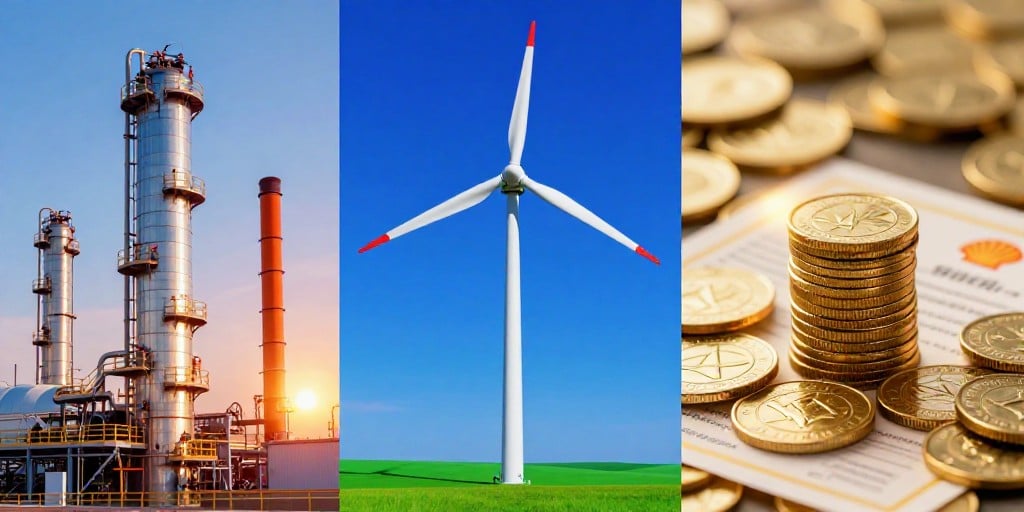
Shell plc Reports Strong Q2 2026 Performance Amid Energy Market Volatility
Shell plc delivered a robust second‑quarter performance in 2026, underscoring the resilience of its core refining operations and its continued commitment to shareholder returns. The company’s earnings, driven by high refinery utilisation rates, saw a noticeable rise that translated into significant cash generation. This financial strength enabled the launch of a sizable share‑buyback programme, under which several million shares have already been repurchased.
Share‑Buyback Execution
The buy‑back programme has been executed in strict compliance with UK listing rules and market‑abuse regulations. Transactions were carried out both on‑market and off‑market across multiple venues, including the London Stock Exchange, Chi‑X, BATS, and European exchanges such as XAMS. This multi‑venue approach has allowed Shell to optimally manage liquidity and shareholder value while adhering to regulatory requirements.
Market Response and Energy Share Dynamics
Despite the strong earnings announcement, Shell’s share price experienced a moderate decline in early August. The dip coincided with a broader pullback in energy shares, triggered by a slump in oil prices. The fall was in line with the softer start to the FTSE 100, where energy names—most notably BP and Shell—acted as significant detractors following a slide in Brent crude. The index, however, was partially buoyed by gains in housebuilders and other non‑energy sectors, illustrating the sector‑specific volatility inherent in commodity‑linked markets.
Strategic Shift Toward Renewable Energy
In line with its long‑term growth objectives, Shell continued to diversify its portfolio beyond traditional hydrocarbons. The company announced the sale of its European onshore renewable portfolio to TotalEnergies, a transaction slated for completion in 2026. This move reflects Shell’s broader strategy to balance profitable core operations with a growing focus on renewable energy assets, positioning the firm for sustainable growth amid shifting global energy demand.
Contextual Analysis
Shell’s performance highlights several key dynamics that transcend industry boundaries:
| Factor | Impact on Shell | Broader Economic Implication |
|---|---|---|
| Refinery Utilisation | Elevated earnings and cash flow | Demonstrates the enduring relevance of integrated refining in global energy supply chains |
| Commodity Price Volatility | Share price sensitivity | Reflects the broader sensitivity of equity markets to oil price swings |
| Regulatory Compliance | Successful buy‑back execution | Sets a benchmark for other firms balancing shareholder returns with regulatory obligations |
| Renewable Asset Divestiture | Diversification of revenue streams | Illustrates the strategic shift toward decarbonisation within the oil and gas sector |
These developments illustrate how Shell, while operating within the traditional oil and gas industry, is navigating the intersection of core profitability, shareholder value creation, and a strategic pivot toward renewable energy. The company’s actions align with broader economic trends, including the gradual decarbonisation of energy systems, market‑driven adjustments in commodity prices, and the growing importance of regulatory compliance in corporate financial strategies.