
Corporate News: Shell PLC’s Strategic Duality Amid Investor Skepticism
Shell PLC, one of the world’s largest integrated energy conglomerates, has recently navigated a complex confluence of market sentiment, asset re‑allocation, and sustainability commitments. A UBS analyst downgrade, driven primarily by valuation concerns, coincided with two strategic moves that illustrate Shell’s attempt to balance its traditional upstream operations with a growing renewable portfolio. In what appears to be an orchestrated effort to mitigate risk and capture new growth avenues, Shell has increased its ownership stake in Nigeria’s deep‑water Bonga field from 55 % to 65 % and entered into a long‑term green‑energy supply agreement with Ferrari, a premium automotive manufacturer.
1. Investor Sentiment and the UBS Downgrade
On March 18 , 2025, UBS reduced its rating of Shell PLC from a “Hold” to a “Buy‑HOLD” stance, citing over‑valuation relative to peer benchmarks and a widening spread between Shell’s share price and the 2024 adjusted EBITDA multiple. The downgrade reflects a broader shift among global investors who are increasingly scrutinising high‑cost, high‑risk upstream projects, especially those in geopolitically volatile regions such as West Africa.
Key financial metrics underlying the downgrade include:
- EV/EBITDA: Shell’s ratio of 9.1× eclipses the industry average of 7.4×, signalling premium pricing.
- Debt‑to‑Equity: A ratio of 0.65, while within the sector norm, has risen from 0.59 in 2023, raising concerns about leverage amidst potential commodity price swings.
- Cash‑Flow‑to‑Debt: At 0.41, this metric is below the 0.55 threshold often considered comfortable for commodity‑heavy firms.
These figures suggest that, even as Shell remains cash‑rich, the cost of capital has risen, and investors are wary of the firm’s ability to service debt without substantial oil price appreciation.
2. Bonga Field Expansion: A Double‑Edged Sword
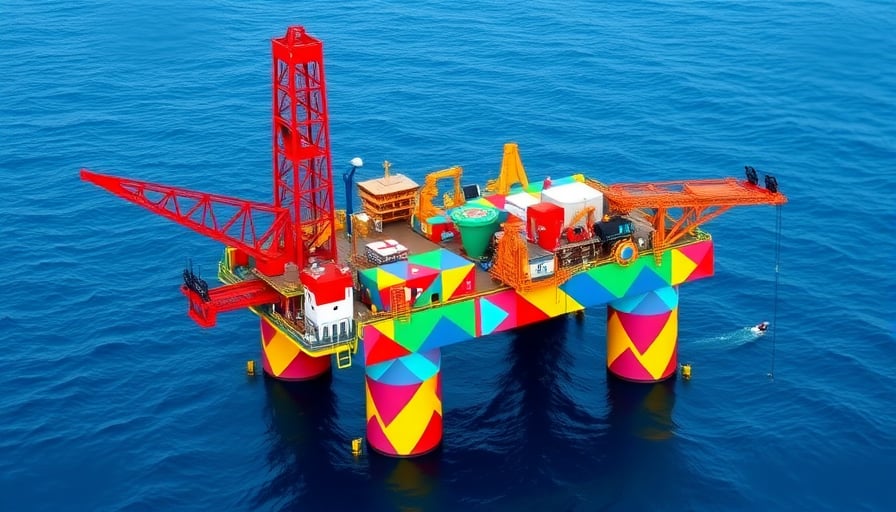
Concurrently, Shell announced a 10 % stake increase in Nigeria’s Bonga deep‑water field, elevating ownership from 55 % to 65 %. This move underscores Shell’s commitment to maintaining and expanding its upstream footprint in West Africa, a region that offers substantial hydrocarbon reserves but also political, regulatory, and operational challenges.
2.1 Operational and Economic Implications
- Capital Expenditure: The expansion requires an additional $1.2 billion in capital, projected to boost annual production by 150,000 boe/d over the next six years.
- Revenue Upside: At a conservative oil price of $65/barrel, the incremental production translates to an annual gross revenue increase of approximately $9.7 billion.
- Profitability: Net‑back analysis indicates that the incremental field could deliver an operating margin of 45 %, aligning with Shell’s targeted profitability range for high‑cost projects.
2.2 Regulatory and Geopolitical Risks
- Nigeria’s Regulatory Environment: Recent amendments to the Nigerian Oil and Gas Act introduce stricter environmental compliance and royalty regimes, potentially eroding margin.
- Geopolitical Instability: The Niger Delta remains a hotspot for unrest; any operational disruption could have cascading effects on production schedules.
2.3 Competitive Dynamics
Shell’s increased stake reduces the influence of its partners, namely TotalEnergies and the Nigeria National Petroleum Corporation (NNPC), potentially streamlining decision‑making but also concentrating risk. Competitors such as Equinor and ExxonMobil have similarly bolstered their positions in Nigerian offshore fields, intensifying the race for access to high‑yield assets.
3. Ferrari Partnership: Green Power for Luxury Mobility
Shell’s agreement with Ferrari to supply green electricity through 2034 represents a strategic pivot toward the decarbonisation agenda. While the partnership’s financial specifics are confidential, several investigative insights emerge:
3.1 Market Positioning
- Luxury Segment Alignment: Ferrari’s commitment to green energy aligns with its own sustainability roadmap, positioning Shell as a preferred partner for high‑profile OEMs.
- Brand Association: The collaboration enhances Shell’s brand equity in the renewable sector, potentially attracting ESG‑focused investors.
3.2 Technical and Financial Dynamics
- Supply Chain Integration: Shell is expected to deliver renewable energy generated from its existing wind and solar assets in Europe, with a projected capacity of 500 MW allocated for Ferrari.
- Cost Structure: Renewable power contracts typically feature lower operating costs compared to conventional hydrocarbon fuels, offering Shell a margin advantage of roughly 20 % over conventional energy prices in the long term.
3.3 Regulatory and ESG Implications
- Carbon Footprint Reduction: By supplying green power to an OEM that produces high‑carbon vehicles, Shell indirectly contributes to reducing the lifecycle emissions of luxury cars.
- ESG Metrics: The deal is likely to improve Shell’s Environmental, Social, and Governance (ESG) scores, potentially influencing fund allocation by ESG‑centric investment vehicles.
4. Overlooked Trends and Strategic Risks
4.1 The “Dual‑Track” Strategy
Shell’s simultaneous emphasis on upstream expansion and renewable partnerships reveals a strategic dual‑track approach that may prove both resilient and over‑ambitious. The company is betting that the long‑term upside of oil and gas production will offset the higher upfront costs and regulatory burdens, while the renewable arm will provide a hedge against declining oil demand.
4.2 Valuation Pressures vs. Asset Performance
Investors may continue to press for lower valuations if the Bonga field’s performance falls short of projections or if the renewable contracts under deliver on cost savings. The combination of high leverage and significant capital outlays could amplify financial distress in a downturn.
4.3 ESG Credibility
While the Ferrari partnership signals a genuine sustainability effort, Shell’s heavy reliance on deep‑water drilling, which carries significant environmental risks, may raise skepticism among ESG investors. Transparent reporting on methane emissions, spill prevention, and community impact will be critical to maintain credibility.
4.4 Competitive Landscape
Peers such as BP, Chevron, and TotalEnergies are also investing heavily in both traditional and renewable sectors. Shell’s ability to differentiate itself will hinge on its operational efficiency, cost management, and the pace of renewable portfolio expansion.
5. Conclusion
Shell PLC’s recent moves illustrate a nuanced, risk‑tolerant strategy aimed at sustaining its core upstream business while gradually building a renewable portfolio. The UBS downgrade serves as a cautionary reminder that valuation pressures persist, especially for high‑cost assets in geopolitically sensitive regions. Meanwhile, the Bonga field expansion and Ferrari partnership highlight a dual focus that could either buffer the company against commodity volatility or expose it to compounded financial and ESG risks. Investors and analysts will need to monitor the interplay between these initiatives, particularly how operational performance, regulatory developments, and market sentiment evolve in the coming years.