The SharkNinja Effect: A New Chapter in Consumer‑Goods Indexing
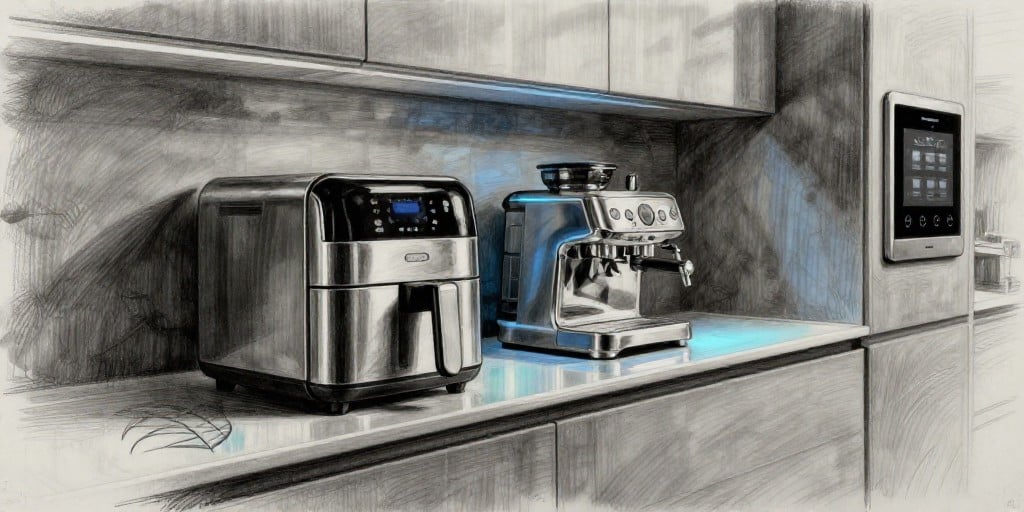
The re‑listing of SharkNinja Inc. into the S&P 500 marks a decisive moment for the firm and the broader consumer‑goods landscape. By stepping out of the S&P MidCap 400 and into the blue‑chip index, SharkNinja has joined an elite cohort of companies whose financial performance and market perception have reached a new echelon. The move—effective before the market opens on December 2, 2026—comes on the heels of double‑digit growth in recent quarters, a steady rise in earnings, and a broadened product portfolio that now spans vacuum cleaners, air‑fryers, and espresso machines.
Digital Transformation Meets Physical Retail
SharkNinja’s success underscores a broader trend: the convergence of digital and physical retail experiences. The company has leveraged its e‑commerce platforms, social‑media marketing, and data‑driven supply‑chain optimizations to drive sales growth. Simultaneously, it continues to invest in experiential retail—showrooms, pop‑up shops, and in‑store demos that allow customers to interact with products before purchase. This hybrid model caters to an increasingly discerning consumer who values convenience, transparency, and tactile engagement.
The digital‑physical integration offers a blueprint for other consumer‑goods firms: omnichannel strategies that fuse real‑world experiences with the immediacy of online commerce can increase brand loyalty and raise average order values. Analysts note that SharkNinja’s margins have improved, in part due to tariff refunds and a shift toward higher‑margin product categories. Those gains, when replicated across the sector, could elevate overall sector profitability.
Generational Spending Patterns and Market Opportunities
The firm’s trajectory mirrors shifting generational spending habits. Millennials and Gen Z consumers prioritize sustainability, smart home integration, and health‑centric kitchen appliances—areas where SharkNinja’s air‑fryers and espresso machines have carved out strong market share. As these cohorts transition into their prime earning years, their appetite for premium, performance‑driven appliances is set to grow.
Retailers and manufacturers that adapt to this new paradigm—by offering connected devices, eco‑friendly materials, and transparent supply chains—can capture a share of this expanding spend pool. Moreover, the rise in “experience‑first” consumption, where consumers invest in products that enhance daily rituals, creates an avenue for premium branding and subscription‑based services such as maintenance or feature upgrades.
Cultural Movements and Consumer Experience Evolution
Culturally, the “home is an extension of self” movement has amplified the importance of kitchen-centric lifestyles. SharkNinja’s product suite reflects this by blending culinary functionality with design aesthetics that resonate with contemporary home décor. The company’s focus on delivering “smart convenience” aligns with the growing demand for appliances that integrate with voice assistants, IoT ecosystems, and data analytics.
From an investment perspective, the inclusion in the S&P 500 expands SharkNinja’s visibility among passive and active funds, broadening the investor base. While the stock’s recent gains have already outpaced the broader index, the move is likely to attract a new cohort of investors seeking exposure to the consumer‑goods sector’s resilient growth potential. As the firm adjusts its full‑year guidance upward—citing improved margins and tariff refunds—its outlook appears firmly bullish.
Forward‑Looking Analysis
Looking ahead, several market opportunities emerge:
Expansion of Connected Product Ecosystems – Companies that embed smart connectivity into appliances can capture a growing segment of tech‑savvy consumers, creating recurring revenue streams through firmware updates, data services, and subscription models.
Sustainability‑Centric Innovation – The demand for recyclable materials, low‑energy consumption, and ethical supply chains will likely intensify. Firms that pioneer in this arena can differentiate themselves and command premium pricing.
Omni‑Channel Experience Design – By harmonizing digital touchpoints with immersive physical retail, brands can deliver seamless customer journeys that boost conversion rates and enhance lifetime value.
Data‑Driven Personalization – Leveraging consumer data to tailor product recommendations, marketing messages, and after‑sales support will deepen engagement and foster brand loyalty.
Regulatory and Trade Adaptation – As tariff landscapes evolve, companies that can quickly adjust pricing and sourcing strategies will mitigate exposure to geopolitical risks.
SharkNinja’s ascension into the S&P 500 is more than a mere index shuffle; it is a signal that consumer‑goods firms can thrive by marrying digital innovation with physical experience, capitalizing on generational spending trends, and aligning with cultural shifts toward health, sustainability, and connected living. Investors and industry observers should monitor how these dynamics play out in quarterly reporting, product launches, and broader market movements—especially any subsequent re‑balancing decisions by the S&P Dow Jones Indices that could further redefine mid‑cap and large‑cap boundaries.