
Market Overview
On 20 July, the Shanghai Composite Index finished the session at approximately 3,800 points, up modestly after a brief intraday decline. The overall market sentiment was positive, with several key sectors—particularly coal, electricity, and insurance—displaying notable gains.
Energy Sector Momentum
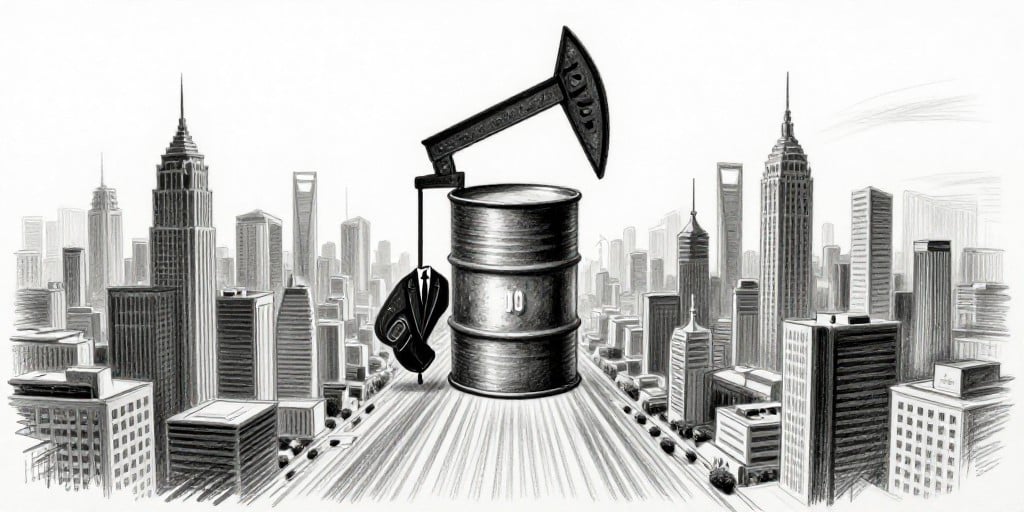
The oil and gas segment remained a primary driver of the day’s upward movement. Shares of three major state‑owned energy companies—China Petrochemical Corporation (Sinopec), China National Offshore Oil Corporation (CNOOC), and China National Petroleum Corporation (CNPC)—all recorded gains. This rally reflected a broader resurgence in investor confidence within the upstream segment, driven in part by expectations of increased production output and rising global oil prices.
In tandem, energy‑related exchange‑traded funds (ETFs) that focus on dividend‑yielded indices saw inflows of capital. The inflows underscore sustained investor appetite for stable‑yield assets amid a backdrop of market volatility and geopolitical uncertainty.
Institutional Support for Central Enterprises
Two large state‑controlled funds announced significant share purchases across a range of domestic companies. This activity signals both confidence in the Chinese corporate environment and a deliberate strategy to reinforce corporate governance stability. The purchases were concentrated in sectors that have historically been pillars of the Chinese economy—such as manufacturing, infrastructure, and energy—further bolstering the broader market rally.
Geopolitical Impact on Commodity Prices
Geopolitical developments, particularly the escalation of tensions in the Middle East, have exerted pressure on global oil supplies. The market’s reaction has been a discernible uptick in crude and refined product prices. Within China, the performance of leading oil companies mirrored this trend, contributing to the day’s gains. The heightened commodity price volatility has, in turn, reinforced the attractiveness of dividend‑focused ETFs and defensive play strategies among institutional and retail investors alike.
Cross‑Sector Connections and Economic Context
The concurrent strength in energy, coal, electricity, and insurance sectors illustrates how commodity price dynamics can spill over into adjacent industries. For instance, higher oil prices elevate operating costs for logistics and manufacturing, which in turn can influence the profitability of insurance firms covering these sectors. Meanwhile, robust performance in coal and electricity markets signals sustained demand for industrial power, reinforcing the valuation narrative for utilities and infrastructure.
From a macroeconomic perspective, the modest rise in the Shanghai Composite Index reflects a balancing act between domestic corporate confidence and external geopolitical risk. The market’s ability to absorb upward pressure on commodity prices while maintaining institutional support for state‑owned enterprises suggests resilience but also highlights the need for continued policy vigilance.
In summary, the day’s market activity was characterized by a modest gain in the main index, a rally within the oil‑and‑gas segment, and sustained institutional backing for state‑controlled enterprises. These developments unfolded against a backdrop of heightened geopolitical risk that has materially influenced commodity prices and investor preferences for defensive, dividend‑focused assets.