
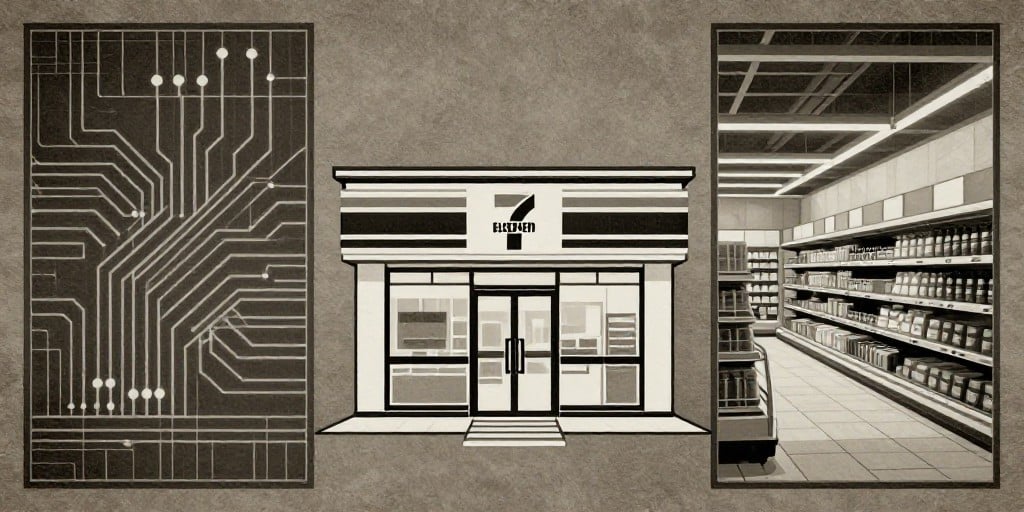
Corporate Developments at Seven & i Holdings Co. Ltd. and York Holdings
Strategic Focus on Core Convenience‑Store Operations
Seven & i Holdings Co. Ltd. remains firmly anchored in its core convenience‑store business, continuing to refine its portfolio in a rapidly evolving retail landscape. The company’s emphasis on maintaining a dense network of 7‑Eleven outlets in Japan is evident, even as it navigates external pressures such as escalating construction and labour costs. In response, Seven & i has shifted its growth strategy toward acquisitions and internal reconfiguration rather than relying solely on new store openings.
Expansion of York Holdings in Eastern Japan
York Holdings, the former supermarket division of Seven & i and now majority‑owned by Bain Capital, is actively exploring expansion opportunities in eastern Japan. Management has expressed a willingness to increase store density in the Kanto and Tohoku regions, targeting gaps in the current network. Given the rising costs of land and labor, the company is evaluating mergers and acquisitions as a more viable growth avenue than organic expansion.
York Holdings plans a significant capital outlay for store renovations over the next few years, with a substantial portion of investment earmarked for upgrading existing outlets. This focus on refurbishment rather than new store acquisition aligns with a broader industry trend toward optimizing current assets amid supply‑chain constraints and shifting consumer preferences for convenience and quality.
Potential Initial Public Offering and Brand Independence
While the company has not ruled out an initial public offering (IPO) in the near future, its primary objective remains the creation of a robust supermarket group that can operate independently of the Seven & i brand. This move reflects a strategic intent to diversify revenue streams and mitigate risk by building a distinct retail identity, thereby allowing for tailored marketing and operational strategies in the supermarket sector.
7‑Eleven’s Expansion into the Chicken Sandwich Market
Concurrently, Seven & i’s parent company has broadened its food‑service offering through the 7‑Eleven brand. The chain has entered the competitive chicken sandwich market in the United States with a new product line that directly competes with established fast‑food rivals. These sandwiches are priced below many industry leaders, positioning 7‑Eleven as a value‑oriented alternative in a crowded segment.
The product launch is part of a larger strategy to enhance the food‑forward appeal of convenience stores. By offering higher‑quality, ready‑to‑eat meals, 7‑Eleven aims to attract budget‑conscious consumers while maintaining the convenience model that has underpinned its growth. The company’s plans to roll out larger store formats in the coming years further underscore this commitment to expanding its culinary portfolio.
Omnichannel Retail Strategies and Consumer Behavior Shifts
The dual focus on renovation and expansion across both Seven & i and York Holdings illustrates a broader industry shift toward omnichannel retail strategies. Consumers increasingly demand seamless experiences that combine physical convenience with digital accessibility, and the companies are responding by investing in technology and store layout redesigns that facilitate quick, contactless shopping.
Supply‑chain innovations are also at the forefront of these strategies. By integrating data analytics to forecast demand and optimize inventory, both Seven & i and York Holdings can reduce waste, lower operational costs, and improve the reliability of product availability—key factors in maintaining customer loyalty in a highly competitive marketplace.
Cross‑Sector Patterns and Long‑Term Implications
Market data across consumer goods and retail sectors reveal a consistent pattern: firms are prioritizing asset optimization over new store openings, investing in digital infrastructure, and diversifying product lines to capture evolving consumer tastes. These trends suggest a shift from volume‑based expansion to quality‑focused, data‑driven growth.
For Seven & i Holdings, the implications are twofold. First, the emphasis on renovating existing stores and expanding the 7‑Eleven food portfolio positions the company to capitalize on the growing demand for quick‑service, high‑quality meals. Second, York Holdings’ move toward a stand‑alone supermarket identity diversifies the group’s revenue base and reduces reliance on the core convenience‑store model.
In the short term, these initiatives are likely to stabilize margins amid rising operational costs. Over the long haul, the combination of omnichannel retailing, supply‑chain resilience, and brand diversification will be critical for sustaining competitive advantage as consumer preferences continue to evolve toward convenience, quality, and value.