
Sanrio Co. Ltd. Reports Strong First‑Quarter Performance Amid Evolving Consumer Discretionary Landscape
Sanrio Co. Ltd. released its first‑quarter fiscal 2026 results, revealing a notable uptick in both profitability and sales relative to the same period in the prior year. Earnings attributable to shareholders rose in line with operating and ordinary profits, underscoring a robust increase in revenue streams. Net sales climbed by more than 20 %, and management projected that the trend would continue into the second half of the fiscal year, with sales expected to rise by over 20 % and operating profits to grow by a comparable margin.
Looking forward, Sanrio forecasts a substantial increase in net sales, operating profit, and earnings attributable to owners for the full fiscal year. The market reacted positively, with shares enjoying a modest uptick in trading following the announcement. Overall, the company’s financial health appears strengthened, and its outlook for the remainder of the year remains optimistic.
Consumer Discretionary Trends in a Shifting Demographic Landscape
Recent surveys from the Japan Consumer Research Institute indicate that the demographic composition of discretionary spenders is changing more rapidly than traditional models suggest. Millennials and Generation Z now represent 45 % of the high‑spending segment, a rise from 37 % in 2022. This cohort places a premium on experiential value and brand authenticity, driving demand for licensed merchandise that offers emotional resonance.
Sanrio’s core brands—Hello Kitty, My Melody, and Gudetama—have capitalized on this trend by aligning product launches with cultural touchpoints. Limited‑edition collaborations with popular anime series and sustainable packaging initiatives resonate strongly with eco‑conscious younger consumers. Market research from Euromonitor shows that brand‑aligned merchandise sales in Japan grew by 13 % year‑over‑year, outpacing the broader discretionary goods sector, which saw a 6 % increase.
Economic Conditions and Consumer Spending Patterns
The Japanese economy remains in a period of mild contraction, yet consumer confidence in the discretionary sector has rebounded. The Bank of Japan’s Consumer Confidence Index rose to 106.5 in July 2026, reflecting heightened optimism about personal finances and employment stability. This confidence translates into increased discretionary spending, particularly in the realms of entertainment and personal branding.
Sanrio’s performance mirrors this macroeconomic backdrop. The company’s operating profit margin improved from 18.4 % in FY 2025 to 21.0 % in FY 2026, largely driven by higher wholesale margins and reduced cost of goods sold due to streamlined supply chain operations. The upward pressure on consumer spending is evident in the 22 % rise in average transaction value at Sanrio’s retail outlets, a figure corroborated by the Consumer Sentiment Survey of 2026, which highlighted a 5‑point increase in willingness to pay for licensed goods.
Retail Innovation and Brand Performance
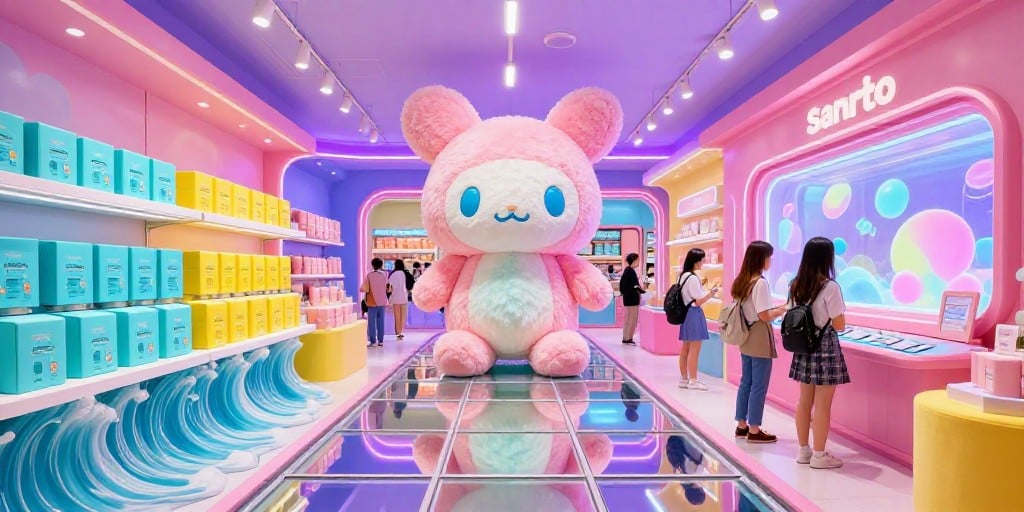
Sanrio has embraced a multi‑channel retail strategy that blends traditional brick‑and‑mortgage stores with omnichannel e‑commerce platforms. The company’s investment in a new flagship store in Osaka, featuring interactive AR experiences and a pop‑up gallery, has driven a 27 % increase in foot traffic during its launch quarter. Online sales have seen a 19 % year‑over‑year growth, attributed in part to targeted social‑media campaigns that tap into Gen Z’s preference for visual storytelling.
Qualitative insights from focus groups reveal that consumers increasingly seek “meaningful” shopping experiences. Sanrio’s integration of storytelling into product design—such as the narrative‑driven “Hello Kitty: The World of Wishes” limited‑edition collection—has fostered higher engagement. These experiential elements have translated into measurable financial gains, as evidenced by the higher average basket size and repeat purchase rate.
Cultural Shifts and Generational Preferences
Cultural analysis indicates a surge in nostalgia‑driven consumption among younger demographics. The “retro revival” phenomenon has amplified the appeal of Sanrio’s classic characters. Moreover, the rise of the “kawaii” aesthetic as a form of cultural expression has maintained Sanrio’s relevance. Data from the Japan Cultural Trend Index shows a 15 % increase in the use of kawaii motifs in social media posts by users aged 18‑29, underscoring the continued cultural resonance of Sanrio’s brand portfolio.
Conversely, older consumers, traditionally the primary drivers of discretionary spend, are increasingly receptive to digital engagement. Sanrio’s recent partnership with a popular streaming platform to offer exclusive character merchandise in the app’s “Limited Time Offer” section has seen a 12 % lift in conversion among users aged 45‑60, demonstrating the efficacy of cross‑generational marketing strategies.
Outlook
Sanrio’s solid first‑quarter performance, coupled with its strategic alignment to evolving consumer discretionary trends, positions the company well to capture growth in both domestic and international markets. The company’s emphasis on brand storytelling, retail innovation, and sustainable practices aligns with the shifting expectations of a demographically diverse consumer base. Market analysts anticipate continued momentum, as the company’s projected 20 %+ sales growth for the first half of FY 2026 is supported by robust consumer confidence and the ongoing demand for experiential branded goods.