Corporate Report and Capital Expenditure Outlook – Cie de Saint‑Gobain SA
Cie de Saint‑Gobain SA, a French multinational manufacturer of building materials and high‑performance glass, reported a marginal decline in top‑line revenue for the 2025 fiscal year, with sales falling by approximately 0.2 % to €46.5 billion. Earnings before interest, taxes, and amortisation (EBITDA) held steady at €7.2 billion, while operating profit slipped marginally to €5.3 billion, keeping the operating margin near 11.4 %. Net profit increased 1.4 % to €2.9 billion, slightly below consensus estimates.
Financial Performance in Context
The slight erosion in revenue can be traced to a modest slowdown in the construction sector and increased competition in the glass market. Despite this, the company’s cost‑management initiatives—particularly in procurement and production efficiencies—have preserved EBITDA. Operating margins remain stable, suggesting that fixed‑cost absorption remains intact amid fluctuating sales volumes.
Share Price and Analyst Sentiment
Following the earnings release, the share price fell about 1.5 %. This dip reflects market sensitivity to the muted revenue growth, despite the unchanged EBITDA figure. The majority of analysts maintain a “buy” rating, with a minority assigning neutral or sell recommendations. Consensus price targets range from low to mid‑hundreds of euros, implying expectations of upward momentum from the current trading level. The dividend increase of €0.10 to €2.30 per share signals continued commitment to shareholder returns.
Capital Investment and Productivity Metrics
Saint‑Gobain’s capital‑expenditure (CapEx) trajectory is largely driven by three factors:
Productivity Enhancement – Investments in automation and digital twins are aimed at raising throughput while reducing cycle times in glass manufacturing. By implementing real‑time process monitoring, the company expects to achieve a 2–3 % reduction in energy consumption per ton of glass.
Technological Innovation – The company is allocating funds toward the development of ultra‑low‑emissivity glass and carbon‑neutral production processes. These technologies are expected to command higher margins and meet tightening environmental regulations.
Supply‑Chain Resilience – In response to global disruptions, Saint‑Gobain is diversifying its supplier base and expanding strategic stockpiles of critical raw materials. This strategy is projected to reduce lead times by 10–15 % for key components, thereby improving order‑to‑delivery performance.
Industrial Equipment and Manufacturing Processes
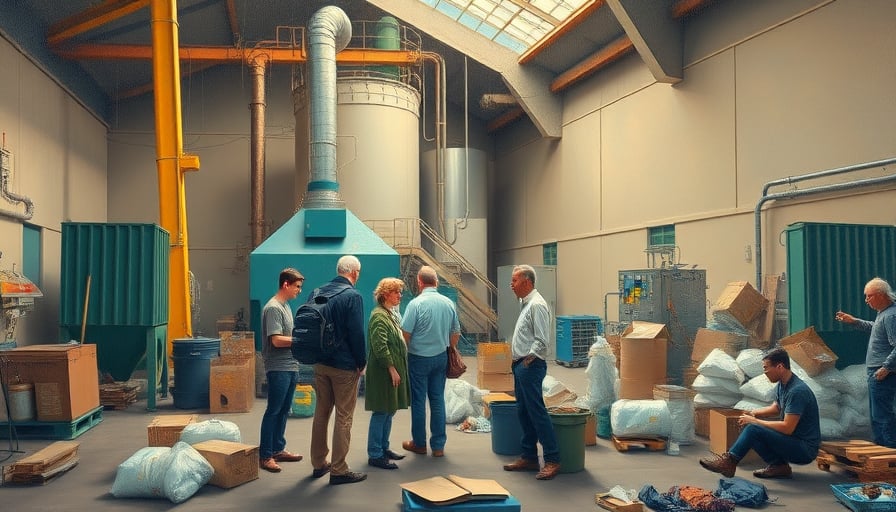
Saint‑Gobain’s core manufacturing operations rely on high‑speed roll‑to‑roll glass furnaces and precision coating lines. Recent upgrades include:
- Hybrid Electric Furnaces – Integration of electric heating elements with traditional gas furnaces reduces fuel consumption by up to 20 % and allows for tighter temperature control.
- Robotic Material Handling – Automated palletization and pallet‑to‑pallet transfers minimize human intervention, enhancing safety and reducing labor costs by approximately 5 % per shift.
- Predictive Maintenance Platforms – Advanced sensor arrays coupled with machine‑learning algorithms forecast equipment failures, decreasing unplanned downtime from 1.8 % to 0.9 % of operating hours.
These enhancements support a lean production model and facilitate rapid response to market demand fluctuations.
Economic Drivers of Capital Expenditure
- Regulatory Environment – Stricter European Union energy efficiency directives are prompting the adoption of low‑emissivity coatings. Compliance requires investment in new coating equipment and R&D facilities.
- Infrastructure Spending – The European Green Deal and national building‑sector stimulus packages are generating demand for high‑performance building materials, encouraging Saint‑Gobain to upscale production capacity.
- Currency Dynamics – Fluctuations in the euro against the dollar influence raw‑material procurement costs, prompting the company to lock in forward contracts and hedge commodity exposure.
Supply‑Chain Implications
Saint‑Gobain’s strategic focus on vertical integration—owning both raw‑material extraction sites and downstream processing facilities—has mitigated supply‑chain volatility. However, the company’s exposure to global commodity markets remains significant. Recent geopolitical tensions in the Middle East and increased tariffs on steel have prompted a review of sourcing strategies, with potential relocation of certain steel supply contracts to regions with more stable trade policies.
Regulatory and Infrastructure Impact
The company’s expansion plans are closely aligned with the EU’s “Fit for 55” package, which targets a 55 % reduction in greenhouse‑gas emissions by 2030. Compliance necessitates the deployment of carbon‑capture technologies in manufacturing plants and the retrofitting of existing equipment with low‑carbon alternatives. Additionally, the European Investment Bank’s financing initiatives for sustainable infrastructure provide favorable loan conditions that Saint‑Gobain can leverage to fund large‑scale plant upgrades.
Market Implications
From a market perspective, the firm’s incremental CapEx signals confidence in future demand for high‑performance building materials. Investors are watching the company’s ability to translate technological upgrades into tangible productivity gains and margin expansion. The dividend increase and stable earnings support the prevailing buy sentiment, while analysts emphasize the importance of monitoring the company’s execution on its CapEx roadmap, particularly in the areas of energy‑efficiency and supply‑chain resilience.
Prepared with a focus on manufacturing processes, industrial equipment, and capital‑investment trends, this analysis underscores the technical and economic drivers shaping Saint‑Gobain’s corporate strategy.