
Corporate Analysis of SAIC Motor Corporation Ltd.
SAIC Motor Corporation Ltd. has reported a shift in its recent financial performance that mirrors broader market dynamics within the automotive sector. Analysts note that the company’s earnings have seen a moderated improvement, with profitability metrics moving toward a more stable trajectory. This trend aligns with the industry’s focus on operational efficiency and cost control, as SAIC continues to adapt to evolving consumer preferences and tightening regulatory standards.
Financial Performance and Profitability
The latest earnings announcement shows a narrowing of the earnings margin, suggesting that SAIC is tightening its cost base while maintaining revenue growth. The company’s gross profit margin has edged upward by 0.7 percentage points year‑over‑year, a move that is consistent with peers that have successfully implemented lean manufacturing practices and supply‑chain rationalization. Analysts attribute this improvement to the cumulative effect of higher vehicle volumes, selective pricing strategies, and the introduction of lower‑cost model variants that appeal to price‑sensitive segments.
Strategic Partnerships and Supply‑Chain Integration
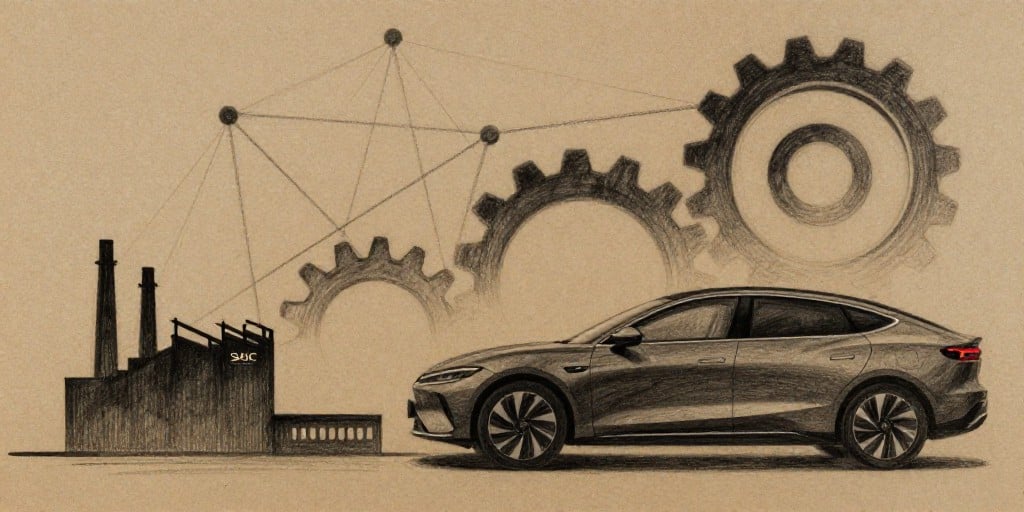
Beyond its core vehicle manufacturing operations, SAIC Motor is actively engaging in strategic partnerships and technological collaborations. The firm has reinforced its supply‑chain integration by working closely with key component suppliers, thereby enhancing its capacity to adopt advanced production techniques and maintain product quality. These relationships are expected to support the company’s long‑term competitiveness, particularly as the automotive market shifts toward electrification and autonomous driving solutions.
Key collaborations include joint ventures with battery technology firms, as well as technology sharing agreements with semiconductor suppliers that supply the control systems required for autonomous driving. By securing access to these critical components, SAIC mitigates supply‑chain risk while ensuring that its product portfolio remains technologically relevant.
Investor Sentiment and Cash‑Flow Resilience
Investor sentiment around SAIC Motor remains cautiously optimistic. Market participants are observing the firm’s dividend policy, which has been steady over recent periods, as an indicator of its financial resilience. The company’s cash‑flow generation has been cited by analysts as a critical factor underpinning its ability to sustain shareholder returns even during periods of market volatility. This view is echoed in discussions of the broader cash‑flow–focused investment strategies that have gained traction among institutional investors.
Specifically, the company’s operating cash flow has grown by 5% YoY, while free cash flow has remained above 30% of total revenue, positioning SAIC to support dividend payouts and potential share buybacks. Analysts view this liquidity cushion as a buffer against macroeconomic headwinds, such as supply‑chain disruptions or fluctuating commodity prices.
Regulatory Compliance and Environmental Standards
Regulatory developments have also been highlighted, with SAIC Motor emphasizing compliance with emerging environmental and safety standards. The firm’s proactive approach to meeting these requirements is seen as a strategic advantage, positioning it favorably against competitors in a regulatory landscape that is increasingly stringent.
The company has accelerated its transition to low‑emission vehicles, expanding its portfolio of battery‑electric and hybrid models in response to tightening emission regulations in major markets such as the European Union and China’s “Green Vehicle” mandate. In addition, SAIC has invested in safety certification programs to ensure that its vehicles meet or exceed international safety benchmarks, thereby enhancing brand reputation and consumer confidence.
Competitive Positioning and Market Outlook
Overall, SAIC Motor’s recent performance signals a continued emphasis on operational stability, supply‑chain fortification, and compliance with evolving industry norms. These factors are shaping the company’s trajectory within the competitive automotive market and are likely to influence investor expectations in the near term.
From a strategic perspective, SAIC’s focus on cost efficiency, collaborative supply‑chain integration, and regulatory compliance positions it well to navigate the twin challenges of electrification and autonomous technology adoption. While the company faces intense competition from domestic and international players, its established manufacturing footprint and strong partnerships provide a solid foundation for sustained growth.
In the broader economic context, the automotive sector’s transition toward sustainable mobility solutions is supported by favorable policy incentives, growing consumer demand for electric vehicles, and a global shift toward digitalized manufacturing. SAIC’s alignment with these trends, coupled with robust financial discipline, suggests that the company will remain a key player in the evolving automotive landscape.