
Detailed Analysis of Saab AB Share Purchase and Emerging Swiss Procurement Dynamics
Background of the Transaction
On 16 December, a member of Saab AB’s board announced the acquisition of more than 1 000 shares in the company at a price near 500 SEK per share, totaling approximately 600 000 SEK. This purchase was disclosed to the Swedish financial regulatory authority (Finansinspektionen) in accordance with the Securities Trading Act and the Swedish Public Limited Company Act.
The board member had previously held a small, undisclosed stake in Saab, and the new transaction represents a modest expansion of his personal equity position. The purchase was reported by two independent sources, underscoring the transparency of the transaction but also highlighting potential insider‑trading concerns that are routinely scrutinised by regulatory bodies.
Market Context and Immediate Impact
Saab’s shares closed the day before the transaction at a price below the mid‑month high, reflecting a modest pullback amid broader European defence‑sector volatility. The decline follows recent commentary concerning the Ukraine conflict, which has induced a slight dampening of risk appetite for defence equities.
The timing of the board member’s share purchase, while compliant with disclosure requirements, raises questions about the internal perception of the company’s near‑term outlook. Board members are often perceived as having privileged insight; a purchase at a price close to the prevailing market level could be interpreted as a sign of confidence, yet it could also be a neutral, routine trade.
Regulatory Scrutiny and Governance Implications
Finansinspektionen’s requirement for prompt disclosure aims to preserve market integrity. However, the proximity of the purchase to a period of market volatility and to the company’s own earnings announcements may invite regulatory review.
Corporate governance best practice dictates that board members maintain a “no‑trade window” before earnings releases and major corporate actions. While the disclosed transaction complied with existing rules, the board’s internal policy could be revisited to strengthen market‑confidence measures, especially in a sector where geopolitical events can swiftly alter valuation.
Potential Risks Identified
- Market Perception Risk – Even routine purchases by insiders can be misinterpreted by investors, potentially triggering sell‑offs.
- Liquidity Risk – The acquisition of 600 000 SEK worth of shares in a single transaction may temporarily reduce liquidity, affecting secondary market depth.
- Regulatory Compliance Risk – Any subsequent failure to adhere to Swedish or EU market‑conduct rules could lead to penalties or reputational damage.
Opportunities Emerging from the Swiss Procurement Shift
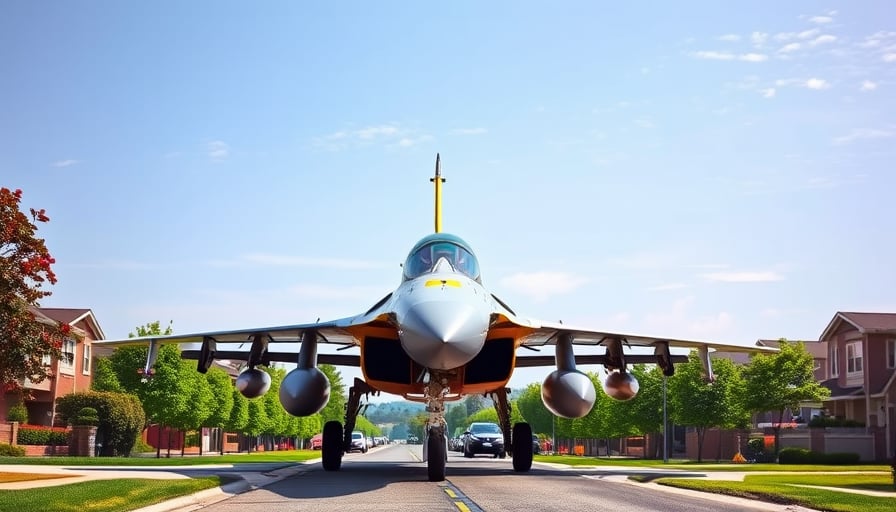
The Swiss government’s decision to reduce its planned acquisition of U‑S F‑35 jets and to open the market to other suppliers, including Saab’s Gripen, introduces a new demand corridor for Swedish aeronautics products. This policy shift aligns with several strategic trends:
| Trend | Significance | Implication for Saab |
|---|---|---|
| Diversification of defence suppliers | Reduces reliance on a single foreign supplier | Opens potential contracts for Gripen procurement |
| Focus on cost‑efficiency and performance | Switzerland seeks balanced procurement | Saab’s competitive pricing and operational flexibility could be attractive |
| Geopolitical balancing | Desire to maintain neutrality while ensuring security | Saab’s non‑alignment with U‑S political dynamics may appeal |
Financially, a new Swiss contract could translate into significant revenue. Assuming a conservative estimate of 200 Gripen aircraft at 500 MSEK each, total sales could reach 100 BSEK, representing a substantial boost to Saab’s top line. Even if only a fraction of the order materialises, the contractual commitment would enhance cash‑flow predictability and bolster the company’s credit rating.
Market Research Insights
- Competitive Landscape: The European defence market currently features competitors such as BAE Systems (Typhoon), Airbus (A400M), and Dassault ( Rafale). Saab’s Gripen offers a cost‑effective, short‑take, and low‑maintenance profile that differentiates it from larger, more expensive platforms.
- Regulatory Environment: EU defence procurement rules increasingly favour multi‑supplier frameworks, encouraging competition and technology transfer. Saab’s compliance with EU export controls and its history of partnerships (e.g., with the Swedish Defence Research Agency) position it favourably.
- Risk‑Return Profile: Analyst reports suggest that Saab’s leverage is moderate (D/E ratio ~1.2), and its operating margins (~25%) exceed the industry average. This financial resilience provides a buffer against volatile defence budgets.
Conclusion and Forward‑Looking Assessment
The board member’s share purchase, while routine, underscores the importance of transparent governance practices, particularly in a sector where geopolitical events can rapidly influence market sentiment. Regulatory scrutiny will likely remain focused on ensuring no insider‑advantage exploitation.
Conversely, Switzerland’s revised fighter aircraft strategy presents a tangible opportunity for Saab. By positioning itself as a viable alternative to the F‑35, Saab can tap into a new revenue stream that aligns with broader European defence diversification goals.
Key Takeaways
- The transaction is compliant but may influence investor perception.
- Regulatory oversight will monitor post‑purchase disclosures for any deviation from best practices.
- The Swiss procurement shift could materially increase Saab’s sales and enhance its competitive standing in the global defence market.
Future coverage will focus on whether Saab can secure the Swiss contract, the impact of the transaction on shareholder value, and any changes Saab implements in its board‑member trading policy.