
Corporate Implications of the Ryanair Boeing 737‑NG Cabin‑Pressure Event
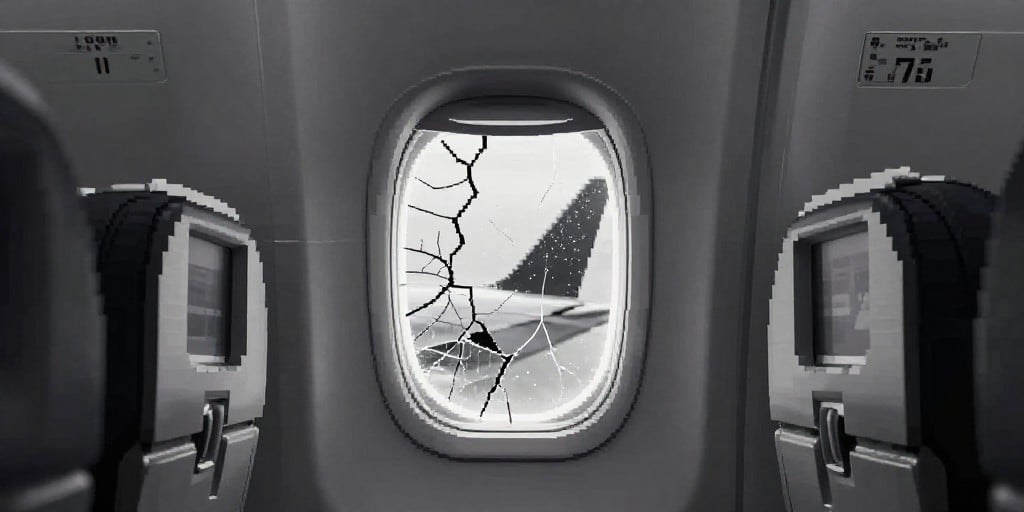
On Friday, a Ryanair Holdings PLC flight operating a Boeing 737‑NG from Thessaloniki to Memmingen experienced a cabin‑pressure anomaly when a passenger window detached shortly after take‑off. The aircraft was forced to return to Thessaloniki, where the injured passenger received on‑site medical treatment. A replacement aircraft subsequently transported the remaining passengers to their destination.
Investigation Focus
Investigators in Greece, the United States Federal Aviation Administration (FAA), and Boeing are examining the failure of the window. Preliminary reports indicate that debris from an engine may have struck the panel, leading to its dislodgement. The incident echoes a 2018 Southwest Airlines accident involving a similar aircraft, which prompted the industry to revise engine‑inspection protocols.
Corporate and Market Reactions
Boeing Inc. The incident triggered short‑term volatility in Boeing’s shares. Analysts attribute the price movement to heightened scrutiny of the company’s structural integrity processes rather than a systemic flaw. Market commentary suggests that the impact is modest, confined largely to concerns about the specific event. Boeing’s management has emphasized its commitment to rigorous quality control and has pledged to cooperate fully with the investigations.
Ryanair Holdings PLC Ryanair has publicly thanked the FAA and Boeing for their cooperation and assured passengers of its commitment to safety. The airline’s operational protocol for rapid re‑routing was highlighted as a mitigating factor that limited passenger inconvenience. The incident is unlikely to affect Ryanair’s financial performance materially, though the carrier may face increased insurance premiums and potential regulatory oversight.
Industry-Wide Context While the event underscores the importance of meticulous maintenance and inspection, it has not sparked a broader industry shift. The aviation sector’s resilience, underpinned by stringent regulatory frameworks and proven safety records, mitigates long‑term financial repercussions. Nonetheless, the incident may influence future investment decisions in aircraft manufacturing and maintenance operations, particularly regarding window integrity and engine‑debris mitigation strategies.
Economic and Competitive Positioning
Risk Management and Liability The incident reiterates the critical role of risk management in aviation. Companies that proactively invest in advanced detection technologies and comprehensive maintenance regimes can mitigate liability and preserve investor confidence.
Supply Chain Considerations Boeing’s supply chain partners may face increased scrutiny regarding material quality and assembly processes. Suppliers with robust quality assurance frameworks will likely be favored in future contracts, potentially reshaping market dynamics within the aerospace manufacturing sector.
Competitive Dynamics The prompt response by Ryanair demonstrates its operational agility, a key competitive advantage in the low‑cost carrier market. In contrast, the incident may prompt competitors to emphasize safety record transparency as a differentiation point, particularly in the face of evolving regulatory expectations.
Outlook
Regulatory Impact The FAA’s ongoing investigation may culminate in updated certification requirements or mandatory inspections for similar aircraft configurations. Companies already compliant with enhanced protocols are likely to be insulated from immediate regulatory penalties.
Investor Sentiment While the incident has caused short‑term stock volatility, long‑term investor confidence is expected to remain stable. Analysts project that Boeing’s share price will recover once definitive findings are released and corrective measures are verified.
Sectoral Resilience The broader aviation sector continues to exhibit resilience due to diversified revenue streams, robust safety oversight, and strategic capital allocation. The incident is unlikely to trigger a systemic shift but will serve as a catalyst for continued emphasis on maintenance excellence and safety innovation.
In summary, the cabin‑pressure event involving the Ryanair Boeing 737‑NG highlights the delicate interplay between operational safety, corporate governance, and market perception. While the immediate financial ramifications are modest, the incident underscores the enduring need for rigorous safety protocols and proactive risk management across the aviation industry.