
RWE AG Shares Slip Amid Analyst Review of Valuation
RWE AG’s shares experienced a modest decline in early trading following a commentary from a prominent analyst. The stock fell around one percent, trading just below the €56 level—a retreat from the peak reached in late April. The move came after a major bank reviewed the company’s valuation, suggesting a pause in growth momentum and maintaining a neutral stance.
Contextualizing the Price Drop
The modest slide reflects broader market conditions. The German benchmark index (DAX) exhibited a slight pullback, and other energy names—Deutsche Telekom and BASF—were also in the red. The collective dip suggests a market‑wide hesitation toward the sector’s short‑term prospects, rather than a company‑specific shock.
The Analyst’s Review
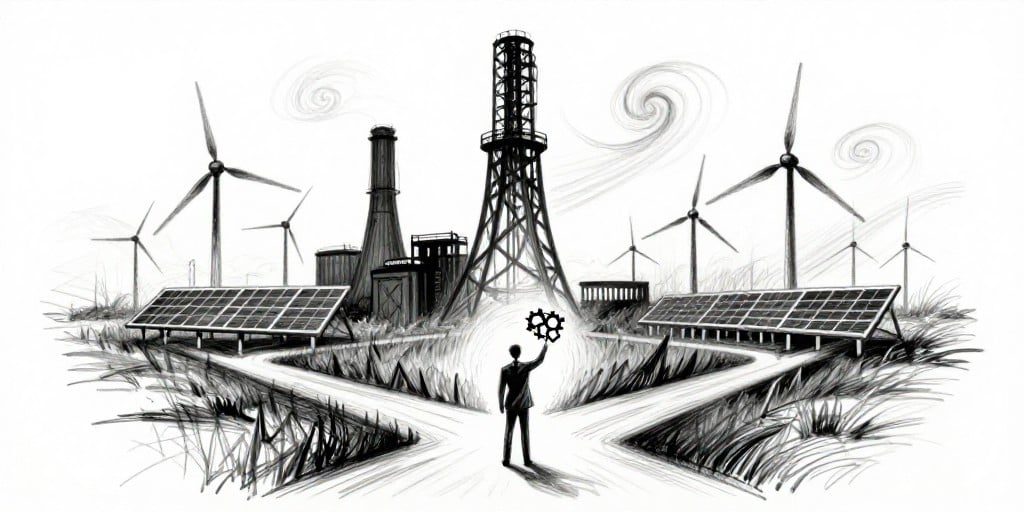
The bank’s valuation assessment points to a potential slowdown in RWE’s growth trajectory. While the institution retained a neutral stance, it highlighted uncertainties around the pace of the company’s transition from a conventional utilities provider to a renewable energy operator. The review underscores the need for RWE to deliver tangible results from its renewable portfolio to justify a higher valuation multiple.
RWE’s Strategic Positioning
- Legacy Asset Base: RWE still manages a sizeable portfolio of conventional power plants, which generate stable cash flow but carry stranded‑asset risk as carbon pricing intensifies.
- Renewable Expansion: The company has invested heavily in wind, solar, and battery storage projects. However, the capital intensity and regulatory approval timelines introduce execution risk.
- Financial Leverage: RWE’s debt load remains moderate, but any slowdown in project cash flows could strain debt service metrics.
Underlying Business Fundamentals
- Revenue Composition
- Conventional generation accounts for ~35 % of revenue, while renewables are ~25 %. The remaining 40 % comes from wholesale markets and ancillary services. The shift toward renewables is gradual, creating a transitional revenue mix that may dampen earnings growth.
Capital Expenditure (CapEx) Trajectory CapEx rose to €3.8 billion in 2023, primarily for renewable projects. Forecasts for 2024 show a 10 % decline, reflecting a cautious rollout amid regulatory uncertainties.
Operating Margins Conventional plants maintain higher operating margins (~18 %) compared to renewables (~12 %). This divergence underscores the potential margin compression RWE may face as its renewable portfolio expands.
Regulatory Environment
- EU Climate Targets: The EU’s 2030 emissions target and the 2040 net‑zero goal place pressure on utilities to reduce coal and gas generation. RWE must navigate permitting, grid integration, and community acceptance hurdles for new renewable projects.
- German Energy Transition (Energiewende): The federal government’s subsidies, feed‑in tariffs, and net‑metering rules directly affect RWE’s financial model. Recent policy tweaks—such as reducing feed‑in tariff rates—have tightened the cost of capital for renewables.
- Carbon Pricing: The EU Emissions Trading System (ETS) imposes an escalating carbon price, eroding the competitiveness of fossil‑fuel plants and enhancing the attractiveness of renewables.
Competitive Dynamics
- Peers’ Growth Strategies: German competitors—E.ON and EnBW—are accelerating renewable acquisition, while maintaining a leaner conventional fleet. This strategy could outpace RWE if execution speed is maintained.
- International Competitors: Global players like Ørsted and Iberdrola bring aggressive offshore wind portfolios, raising the competitive bar for onshore wind and solar in Germany.
- Market Consolidation: M&A activity in the renewable sector could lead to pricing power shifts, potentially benefiting early entrants like RWE if it secures strategic partnerships.
Risks and Opportunities
| Risk | Opportunity |
|---|---|
| Execution risk: Delays in renewable project permitting could slow revenue growth. | Cost advantage: RWE’s existing grid infrastructure can reduce integration costs for new renewables. |
| Regulatory risk: Policy reversals or subsidy cuts could erode margins. | Market leadership: Early commitment to renewable expansion positions RWE ahead of lagging competitors. |
| Capital constraints: Rising debt costs due to ESG‑related covenants may limit growth financing. | Innovation: Investment in storage and grid‑management technologies could unlock new revenue streams. |
Market Reaction and Outlook
Investors are weighing RWE’s transition narrative against the backdrop of a sluggish energy market. The current neutral stance from a major bank signals caution, yet the company’s long‑term value creation hinges on its ability to balance legacy assets with high‑growth renewable projects. Analysts will continue to monitor:
- Renewable project pipeline: Completion rates and cost overruns.
- Debt covenants: Alignment with ESG and regulatory expectations.
- Policy developments: Potential subsidies or regulatory changes.
If RWE successfully mitigates execution and regulatory risks while leveraging its grid assets, the stock could recover as the market reassesses the long‑term upside of a renewable‑heavy portfolio. Conversely, persistent delays or regulatory headwinds could reinforce the current bearish sentiment, keeping the stock near the €56 threshold for an extended period.