
Corporate News Analysis
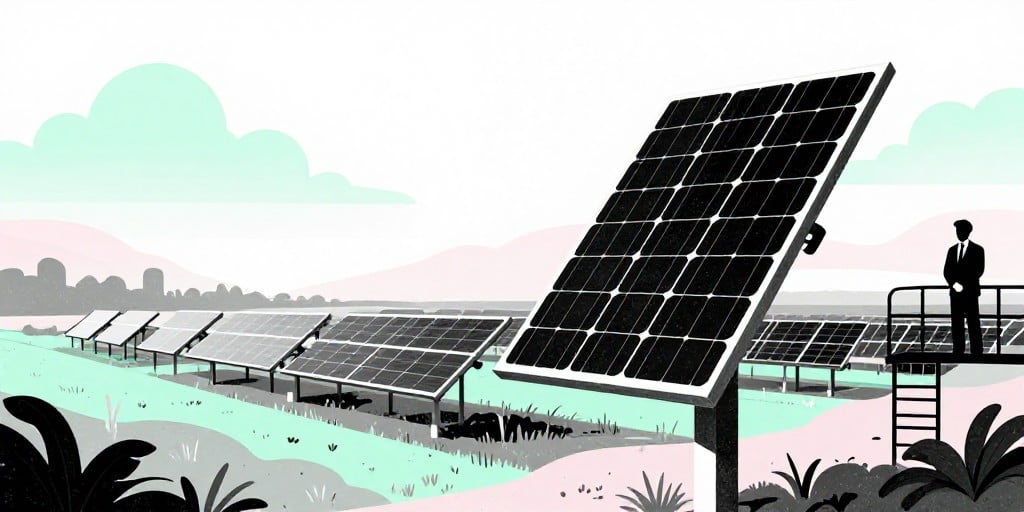
RWE AG, a leading global energy company, has entered into a long‑term electricity purchase agreement with Alphabet Inc.’s subsidiary Google for the forthcoming Crooked Creek Solar project in Oklahoma. The 15‑year contract secures the full output of a 155‑megawatt (MW) plant that is slated to begin construction later this year and reach operational status in 2028.
Contractual Details and Strategic Rationale
- Contract Term: 15 years, covering 100 % of the plant’s output.
- Project Capacity: 155 MW, a moderate‑size utility‑scale solar installation.
- Location: McCurtain County, Oklahoma, a region with significant solar potential and supportive state policy frameworks.
- Economic Impact: Up to 250 construction‑phase jobs and sustained community benefits, reinforcing the company’s commitment to local stakeholder value.
- Strategic Fit: The deal exemplifies RWE’s focus on renewable energy expansion and its willingness to partner with technology leaders to secure demand and financial certainty.
Industry Context
The renewable‑energy sector has seen accelerating growth, driven by policy incentives, declining technology costs, and a global shift toward decarbonisation. In the United States, solar projects have benefitted from:
- Federal Investment Tax Credit (ITC): 30 % credit for commercial solar installations, improving project economics.
- State-Level Renewable Portfolio Standards (RPS): Oklahoma’s RPS mandates a gradual increase in renewable generation, creating a stable demand environment.
- Corporate Power Purchase Agreements (PPAs): Companies such as Google are increasingly purchasing renewable electricity to meet sustainability goals and lock in long‑term pricing.
This contract aligns with these trends, demonstrating how traditional utilities and tech giants are collaborating to meet corporate sustainability commitments.
Competitive Positioning
RWE’s engagement with Google positions it favorably relative to other renewable developers:
- Diversified Portfolio: RWE already operates a mix of wind, solar, and hydro assets across multiple continents. This partnership further diversifies its exposure in the U.S. market.
- Financial Stability: Securing a 15‑year PPA provides predictable revenue, enhancing credit profiles and enabling access to capital at attractive rates.
- Brand Synergy: Association with Alphabet enhances RWE’s reputation as a forward‑looking, technology‑savvy operator, potentially opening doors for future joint ventures.
Macro‑Economic Implications
The deal occurs against a backdrop of robust equity market performance, reflecting investor confidence in clean‑energy investments. Broader economic factors include:
- Inflationary Pressures: Despite higher commodity prices, the ITC and long‑term PPAs mitigate cost volatility for developers.
- Interest Rate Environment: Low borrowing costs have enabled developers to finance large projects more cheaply, while PPAs hedge against future price hikes.
- Policy Continuity: Recent bipartisan support for clean‑energy legislation provides a stable regulatory landscape, encouraging similar agreements.
These macro drivers underscore why such collaborations are increasingly prevalent across energy sectors, as companies seek to lock in stable, low‑carbon energy sources in a shifting economic climate.
Conclusion
RWE AG’s long‑term PPA with Alphabet for the Crooked Creek Solar project exemplifies strategic alignment between renewable developers and corporate buyers. It leverages favorable policy incentives, addresses corporate sustainability goals, and delivers tangible local economic benefits. By securing predictable revenue and reinforcing its renewable portfolio, RWE positions itself for continued growth in an evolving energy marketplace.