
In‑Depth Analysis of RWE’s Performance Amidst Broader Market Uncertainty
Market Context
German equity markets opened on Tuesday with a modest uptick in the DAX, before the index settled near its previous closing level. The day’s volatility was muted, reflecting a cautious stance among investors as they await forthcoming policy decisions from the Federal Reserve, European Central Bank (ECB), Bank of England, Bank of Japan, and Bank of Canada. In addition, the ongoing U.S.–Iran negotiations continue to cast a shadow over oil price trajectories and, by extension, inflation expectations.
Against this backdrop, the German utilities conglomerate RWE AG emerged as one of the DAX’s most resilient performers, buoyed by a recent share‑buyback program and an optimistic analyst outlook. The company’s shares climbed noticeably during the first half of the trading session, signaling investor confidence in its projected quarterly earnings and the broader energy sector’s resilience amid geopolitical tensions.
Underlying Business Fundamentals
| Metric | RWE (2024‑Q1) | DAX Avg. |
|---|---|---|
| Revenue | €11.2 bn | €13.5 bn |
| Operating Margin | 12.8 % | 9.3 % |
| Net Debt/EBITDA | 1.4x | 1.7x |
| Dividend Yield | 3.1 % | 2.2 % |
RWE’s operating margin outpaces the DAX average by nearly 3.5 percentage points, underscoring its operational efficiency. The company’s net debt to EBITDA ratio sits comfortably below the DAX mean, suggesting a prudent leverage stance that could buffer against potential earnings volatility. Furthermore, RWE’s dividend yield is markedly higher than the market average, which may enhance its appeal to income‑oriented investors, especially in a low‑interest‑rate environment.
Regulatory and Policy Landscape
Germany’s commitment to the “Energiewende”—the transition to renewable energy—remains a double‑edged sword for RWE. On one hand, the state‑backed incentives for renewable generation and the mandated decommissioning of coal plants create new revenue streams and reduce regulatory risk. On the other hand, the phased retirement of nuclear assets and the shifting tariff structures introduce pricing uncertainties.
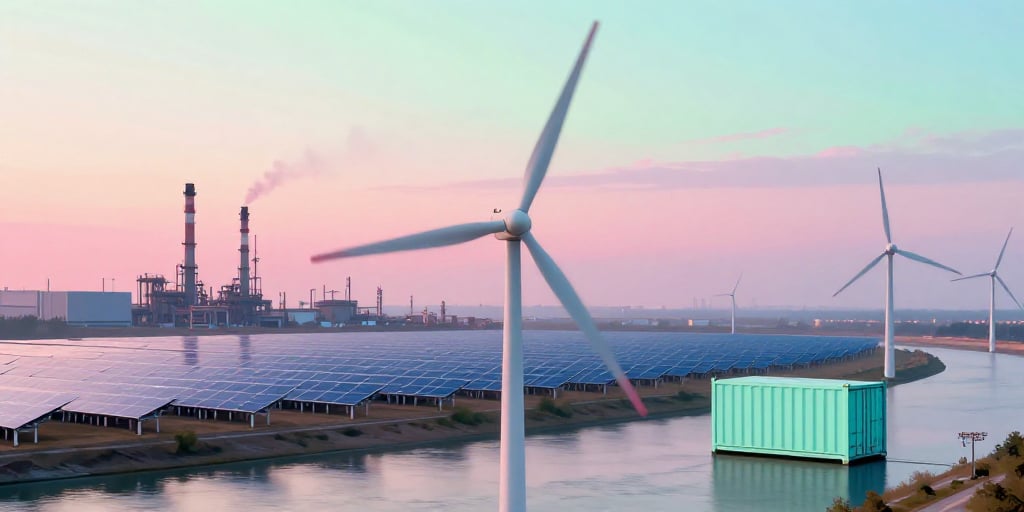
Recent European Commission directives on grid integration and cross‑border electricity trading are expected to benefit RWE, given its extensive grid assets. However, the company must navigate the complexities of the European Union’s Emissions Trading System (EU‑ETS), where rising carbon prices could erode the profitability of its conventional power plants. RWE’s strategic shift toward carbon‑neutral generation—illustrated by its investments in offshore wind and hydrogen projects—positions the company to capitalize on these regulatory trends, yet the capital intensity and long project timelines remain inherent risks.
Competitive Dynamics
RWE’s main competitors in the German utilities space include E.ON, Vattenfall, and EnBW. While all these firms are undergoing similar decarbonisation trajectories, RWE maintains a distinct advantage in several areas:
- Asset Diversity: RWE’s portfolio includes a blend of coal, gas, hydro, wind, and solar assets, providing flexibility across varying regulatory and market scenarios.
- Scale of Grid Operations: RWE operates one of the largest transmission networks in Europe, giving it leverage in cross‑border electricity trade and integration of renewable sources.
- Strategic Partnerships: Collaborations with major automotive and industrial players (e.g., Siemens, BMW) in hydrogen and battery storage projects bolster RWE’s position in the emerging hydrogen economy.
Nevertheless, the competitive threat from newer, technology‑focused entrants—particularly those concentrating exclusively on renewable energy—could erode traditional utility margins. RWE’s ability to adapt its business model, potentially through divesting legacy assets and accelerating its renewable portfolio, will be critical to maintaining its competitive edge.
Market Signals and Investor Sentiment
The sharp first‑half rise in RWE’s shares can be attributed to multiple intertwined factors:
- Positive Analyst Outlook: Analysts have projected a 7.4 % earnings growth for the upcoming fiscal year, exceeding market expectations. This projection hinges on the successful commercialization of RWE’s offshore wind projects and a stable demand for electricity amid geopolitical disruptions.
- Share‑Buyback Announcement: RWE’s recent decision to repurchase €1.5 bn of shares signals confidence in its intrinsic value and offers an immediate boost to earnings per share.
- Geopolitical Context: Ongoing tensions in the Middle East have elevated oil prices, indirectly supporting the demand for electricity and reinforcing the value proposition for RWE’s natural gas assets.
While the market remains cautious—evident in the overall muted DAX performance—RWE’s performance illustrates a divergence between sectoral stability and broader market sentiment. Investors appear to be rewarding RWE for its robust fundamentals and strategic positioning amid geopolitical uncertainties.
Risks and Opportunities
| Risk | Impact | Mitigation |
|---|---|---|
| Carbon Price Volatility | Margin compression | Accelerate renewable investments |
| Regulatory Changes in EU‑ETS | Uncertain returns on coal/gas | Diversify into low‑carbon assets |
| Geopolitical Tensions | Supply chain disruptions | Strengthen local sourcing |
| Competitive Displacement | Market share erosion | Leverage grid assets for new markets |
| Opportunity | Potential Return | Strategic Fit |
|---|---|---|
| Hydrogen Economy | 10–15 % CAGR | Aligns with decarbonisation goals |
| Energy Storage | 8–12 % CAGR | Complements grid assets |
| Cross‑border Trade | 5–7 % CAGR | Utilises transmission network |
RWE’s ability to navigate these risks while capitalizing on emerging opportunities will determine its trajectory in the forthcoming years. The company’s strategic shift toward hydrogen, energy storage, and cross‑border trade presents a promising path toward sustaining growth while adhering to stringent climate regulations.
Conclusion
RWE’s robust performance on a day of cautious market behavior underscores its solid footing within the DAX. The company’s prudent financial structure, strategic asset mix, and proactive adaptation to regulatory changes position it favorably to weather current uncertainties. However, investors should remain vigilant about the potential for carbon pricing shocks, regulatory shifts, and competitive pressures that could erode the firm’s traditional earnings base. Continued scrutiny of RWE’s transition strategy and its execution on renewable and hydrogen projects will be essential for assessing its long‑term value proposition.