
Corporate Analysis: RWE AG’s Strategic Positioning in the Evolving Energy Landscape
RWE AG, a prominent entity in the European utilities sector, has announced a series of strategic developments that underscore its dual commitment to conventional gas generation and the expansion of renewable capacity. In early January, the company secured a 20‑year offtake agreement for its Texas LNG project, reinforcing its long‑term natural‑gas portfolio. Simultaneously, RWE announced a partnership with KKR aimed at supporting offshore wind projects in the United Kingdom, thereby consolidating its focus on renewable capacity expansion.
Impact on Grid Stability and Renewable Integration
The dual strategy of maintaining a robust gas fleet while scaling renewable output directly addresses two critical aspects of contemporary power system operation: grid stability and renewable penetration. Natural‑gas plants, especially combined‑cycle gas turbines (CCGTs), provide rapid ramp‑up and ramp‑down capabilities that are essential for mitigating the intermittency associated with wind and solar resources. By locking in a 20‑year LNG supply contract, RWE secures a reliable dispatchable resource that can serve as a counter‑balance during periods of low renewable generation, thus enhancing system inertia and frequency regulation.
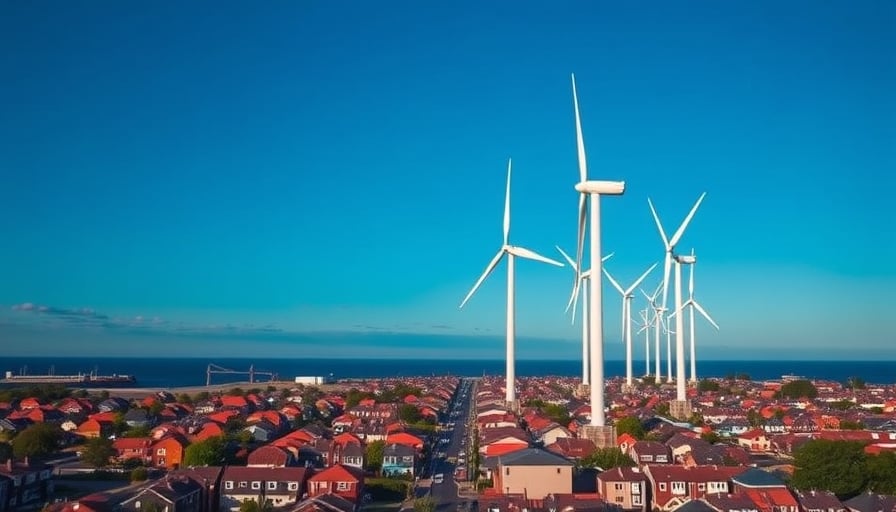
Conversely, the offshore wind collaboration with KKR is poised to deliver substantial MW‑scale capacity to the UK grid. Offshore wind farms, due to their high capacity factors and relatively predictable output profiles, contribute significantly to long‑term decarbonization goals. However, their integration imposes challenges related to voltage stability, reactive power management, and the need for advanced grid connection standards (e.g., IEC 62301). RWE’s engagement in this space signals an investment in state‑of‑the‑art power electronics—high‑voltage direct current (HVDC) back‑to‑back converters and flexible AC transmission system (FACTS) devices—to mitigate congestion and ensure seamless interconnection with the national transmission network.
Regulatory Frameworks and Rate Structures
The regulatory environment in both the United States and the United Kingdom is increasingly oriented toward supporting a high‑renewable mix while safeguarding grid reliability. In Texas, the Public Utility Commission’s (PUC) “Renewable Portfolio Standard” and the Texas Electricity Reliability Council (TERC) interconnection guidelines create a market structure that rewards flexibility. RWE’s LNG offtake agreement aligns with the PUC’s demand response programs and ancillary services procurement, positioning the company to benefit from ancillary service markets that remunerate rapid response capabilities.
In the United Kingdom, the Office of Gas and Electricity Markets (Ofgem) administers a decarbonisation plan that includes incentives for offshore wind through the Contracts for Difference (CfD) mechanism. The partnership with KKR likely leverages CfDs to secure price certainty for the offshore wind projects, thereby mitigating market risk and enabling a smoother transition to a low‑carbon energy mix. Moreover, the UK’s Grid Code’s evolving requirements on dynamic reactive power support and grid stability will necessitate investment in high‑capacity FACTS and energy storage solutions, which RWE may integrate through its partnership.
Economic Impacts of Utility Modernization
Utility modernization encompasses a spectrum of capital investments—grid infrastructure upgrades, advanced measurement and control systems, and digitalization of asset management. RWE’s dual approach reduces the overall risk exposure while diversifying revenue streams. The natural‑gas segment provides stable cash flow, essential for financing the capital expenditure required for offshore wind farms, which typically involve multi‑year construction schedules and high upfront costs.
From an economic standpoint, the introduction of renewable projects can influence consumer tariffs. While the long‑term benefits of reduced greenhouse gas emissions and energy security are significant, the initial capital costs of wind farms often translate into higher capital recovery charges. However, the use of renewable energy can lower marginal operating costs, potentially offsetting some of the tariff increases. RWE’s strategic alignment with KKR, known for its deep expertise in leveraged buyouts and project financing, may allow the company to secure more favorable debt terms, thereby moderating the impact on consumer rates.
Market Reception and Forward‑Looking Outlook
Market analysts have responded positively to RWE’s initiatives. Morgan Stanley reaffirmed a “Buy” rating for the company, citing confidence in its long‑term growth trajectory. The company’s shares exhibited resilience against a broader market downturn, recording modest gains against the DAX during the week. Analysts attribute this performance to the perceived balance between traditional gas assets and renewable expansion, which mitigates the volatility associated with either sector alone.
RWE’s recent announcements suggest a deliberate positioning strategy aimed at sustaining growth across both conventional and green energy segments. By securing a long‑term natural‑gas supply while simultaneously investing in offshore wind projects, RWE is actively shaping its portfolio to meet regulatory demands, ensure grid stability, and support the energy transition—all while maintaining a prudent economic outlook for its stakeholders.