Corporate Analysis: Royal Caribbean’s Market Performance and Strategic Implications
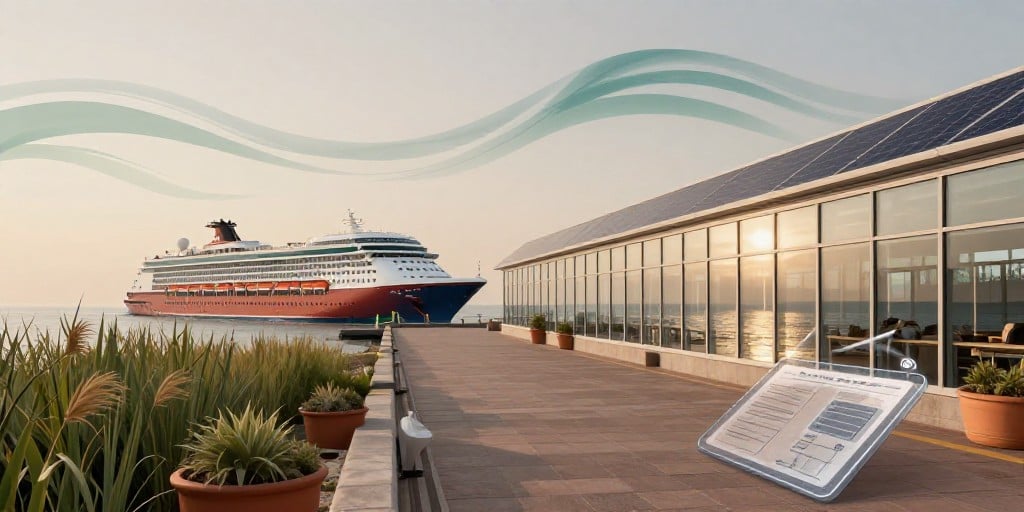
Royal Caribbean Cruises Ltd. (RCL) experienced a modest upward adjustment in its share price, rising three percent during the trading session. This gain mirrored a broader market movement that lifted Norwegian Cruise Line Holdings by 3.5 percent and Carnival Corporation by 3.4 percent. The uptick is particularly notable against a backdrop of ongoing strategic initiatives, including RCL’s partnership with Penang Port Sdn Bhd to redevelop the Swettenham Pier Cruise Terminal—a collaboration that began in 2018.
1. Market Context and Short‑Term Dynamics
The simultaneous gains across the three leading U.S. cruise operators suggest a sector‑wide optimism that may be rooted in several short‑term factors:
| Driver | Impact on Share Price |
|---|---|
| Positive earnings outlook | Elevated investor confidence |
| Improved travel sentiment | Increased demand for leisure cruises |
| Strategic infrastructure investments | Anticipated capacity expansion |
While RCL’s brief report did not disclose earnings or guidance, the share movement underscores investor belief that the company’s growth prospects remain robust. The concurrent gains among peers reinforce the notion that the entire cruise market is benefiting from a collective upturn in consumer confidence and travel spending.
2. Long‑Term Transformation: Omnichannel Retail and Consumer Behavior
The cruise industry, though traditionally viewed as a pure travel service, increasingly mirrors trends seen in the consumer goods and retail sectors:
- Omnichannel Experience: Travelers now expect seamless integration between digital booking platforms, mobile apps, and on‑board services. RCL’s push to modernize terminals aligns with this need for a frictionless customer journey.
- Personalization and Brand Positioning: Similar to premium apparel brands, RCL differentiates itself through curated itineraries, themed cruises, and exclusive onboard amenities. This focus on experiential value mirrors the branding strategies employed by luxury consumer goods firms.
- Sustainability as a Value Driver: Environmental stewardship is becoming a core component of brand identity for both travelers and consumers. RCL’s investment in larger, more efficient vessels reflects the industry’s shift toward greener operations—a parallel to the eco‑conscious shift observed in consumer goods.
3. Supply Chain Innovations and Capacity Expansion
The partnership with Penang Port Sdn Bhd exemplifies how infrastructure upgrades can create competitive advantage:
- Terminal Capacity: Accommodating larger vessels enables RCL to increase passenger loads per trip, directly impacting revenue per available seat mile (RASM). This is analogous to scaling production facilities in consumer goods to meet rising demand.
- Regional Growth: Expanding presence in the Asia‑Pacific market taps into a rapidly growing consumer base. The region’s demographic momentum mirrors the expansion of emerging market consumers in the apparel and electronics sectors.
- Operational Efficiency: Modern terminals reduce turnaround times, improving vessel utilization. In retail, similar efficiencies are achieved through automated warehouses and just‑in‑time inventory systems.
4. Cross‑Sector Patterns: What Consumer Goods Leaders Can Learn
The cruise industry’s evolution offers actionable insights for leaders in consumer goods:
- Integrated Customer Experience: Just as RCL combines digital booking with on‑board services, consumer brands must ensure consistency across online, offline, and experiential touchpoints.
- Strategic Partnerships: Collaborations with local infrastructure providers can unlock new markets. Consumer goods companies are increasingly partnering with logistics firms and local distributors to improve market reach.
- Sustainability as a Differentiator: Eco‑friendly operations not only meet regulatory demands but also resonate with brand‑conscious consumers. Companies in both sectors must embed sustainability into their value proposition.
- Data‑Driven Personalization: The use of customer data to tailor itineraries parallels the personalized marketing strategies adopted by high‑end apparel and tech brands.
5. Outlook: From Market Movements to Industry Transformation
The modest share price gains seen today are an early indicator of a longer‑term shift toward integrated, consumer‑centric strategies across the travel and retail landscapes. Royal Caribbean’s terminal upgrade, coupled with its broader brand repositioning efforts, signals an industry poised for:
- Higher operational efficiencies through technology and infrastructure investments
- Deepened customer loyalty via personalized, experiential offerings
- Sustainability‑driven differentiation that aligns with evolving consumer values
For investors and industry observers, the confluence of short‑term market enthusiasm and these structural initiatives suggests that cruise operators, much like leading consumer goods firms, are preparing to navigate a more interconnected, experience‑focused market environment.