Corporate News
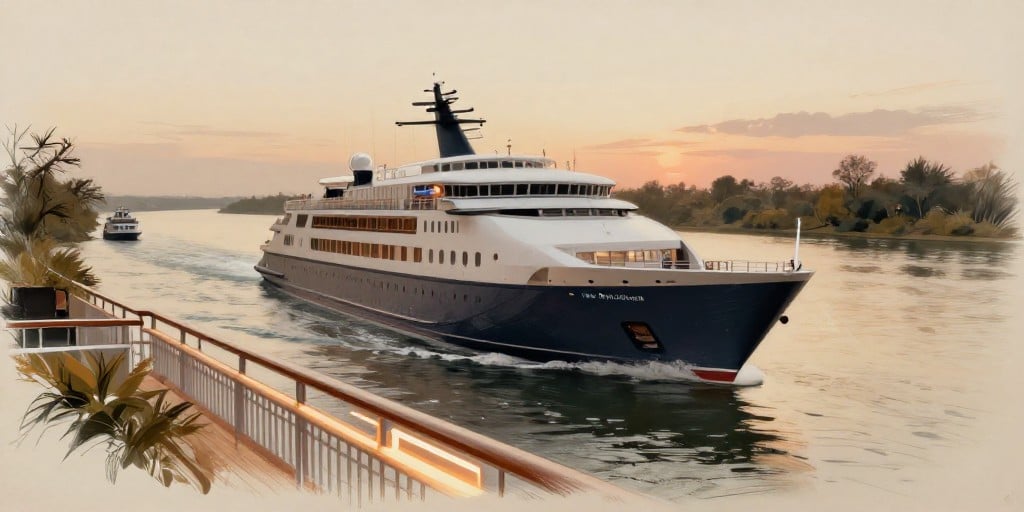
Royal Caribbean International has unveiled a comprehensive expansion of its 2028‑29 European itinerary calendar, announcing a year‑round season that will traverse the Mediterranean, Northern Europe, and the Canary Islands. The new schedule will be served by seven vessels, offering a mix of short‑stay (seven‑night) and extended‑stay (twelve‑night) cruises. Notable additions include the return to Copenhagen and Stockholm, prolonged stays in Santorini featuring the Royal Beach Club, and fresh shore excursions in Morocco, Cyprus, and Malta. Onboard experience enhancements—ranging from diversified dining concepts to live entertainment and interactive recreational offerings such as surf simulators and themed water slides—are highlighted in the company’s promotional materials.
This announcement comes at a moment when the broader tourism sector is being scrutinized for its resilience and growth potential. Investment firm Vontobel Europe AG, in its recent commentary, identified the Royal Caribbean Group as one of three attractive tourism‑sector stocks, noting that equity‑linked instruments could serve as viable investment vehicles. The firm’s endorsement signals confidence in the sector’s ability to weather macroeconomic headwinds.
Strategic Alignment with Consumer Goods Trends
The expansion reflects a broader shift in consumer expectations toward destination‑rich and flexible travel experiences. Similar to the evolution seen in the consumer goods industry—where brands pivot from single‑purpose products to integrated ecosystems—Royal Caribbean is positioning itself as a full‑service travel ecosystem. By extending the seasonality of its itineraries and re‑introducing high‑profile ports, the company taps into the experience economy, a trend that has seen consumer spending move from product ownership to experiential consumption.
Omnichannel Retail Innovation in the Cruise Industry
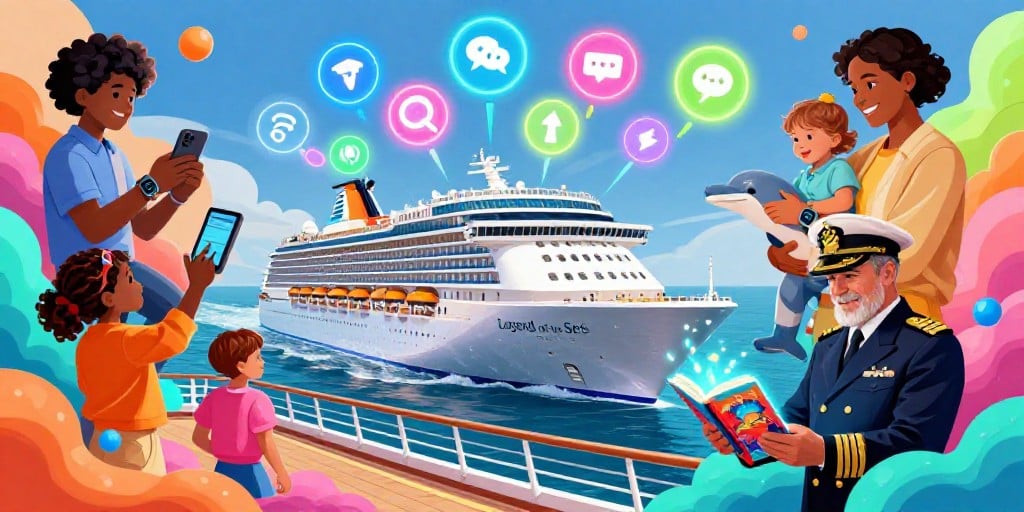
Royal Caribbean’s emphasis on a year‑round European offering dovetails with a growing demand for omnichannel retail strategies. In the consumer goods sector, retailers are blending physical and digital touchpoints to create seamless shopping journeys. The cruise line’s integrated booking platform—combining web, mobile, and concierge services—mirrors this approach, allowing guests to customize itineraries, select onboard experiences, and manage ancillary services all within a unified interface. The inclusion of surf simulators and themed water slides illustrates how experiential retail concepts are being repurposed for hospitality.
Brand Positioning and Long‑Term Transformation
Positioned as a premium, innovation‑driven brand, Royal Caribbean is leveraging the European expansion to reinforce its market leadership. The move aligns with long‑term transformation goals that prioritize:
- Sustainability and Supply‑Chain Transparency – Similar to consumer goods firms that are increasingly disclosing ingredient sourcing and manufacturing footprints, the cruise operator is investing in onboard waste‑reduction initiatives and regional partnerships to secure responsible sourcing of food and amenities.
- Technology‑Enabled Personalization – By deploying data analytics to track passenger preferences, the company can offer tailored dining and activity recommendations, a practice paralleling the personalization engines used by leading e‑commerce platforms.
- Cross‑Sector Collaboration – Partnerships with local tour operators in Morocco, Cyprus, and Malta illustrate a multi‑stakeholder supply chain model, ensuring that shore excursions meet local regulations while delivering authentic experiences.
From Short‑Term Market Movements to Long‑Term Industry Transformation
In the short term, the expanded itinerary is expected to boost passenger bookings and revenue streams amid a recovering global travel market. The strategic focus on high‑demand ports and diversified onboard services will likely drive incremental occupancy rates and ancillary spend. However, the broader implications for the cruise industry—and by extension the consumer goods and retail sectors—are more profound:
- Shift Toward Experiential Retail: As consumers increasingly seek immersive experiences, the cruise line’s model of integrating destination visits with onboard offerings can serve as a blueprint for other leisure and hospitality players.
- Supply Chain Resilience: The emphasis on localized sourcing and partnership models addresses vulnerabilities exposed by recent global disruptions, aligning with a sector-wide move toward decentralization and agility.
- Digital‑First Engagement: The omnichannel booking and service ecosystem positions Royal Caribbean at the forefront of digital transformation in travel, mirroring the consumer goods industry’s shift toward direct‑to‑consumer platforms and data‑driven marketing.
Ultimately, Royal Caribbean’s European expansion demonstrates how a traditional travel operator can harness contemporary consumer trends, retail innovation, and supply‑chain evolution to secure a competitive advantage. By aligning its product offerings with shifting consumer preferences and leveraging technology to create seamless, personalized experiences, the company is setting the stage for sustained growth and industry‑wide transformation.