Corporate News
Ross Stores, a leading discount apparel retailer, is projected to record a modest increase in same‑store sales during the third quarter of 2026. Industry analysts anticipate a growth rate of roughly seven percent for the chain, positioning it among the stronger performers in the apparel sector for the quarter. This performance is part of a broader trend in which discount retailers benefit from consumers’ focus on value amid rising grocery prices and general inflationary pressures.
Retail Landscape in the United States
The broader retail environment in the United States is projected to expand by a similar rate to that of Ross Stores. The same‑store sales index for the retail sector shows a small gain, reflecting a cautious yet steady recovery from the pandemic‑induced downturn. Leisure product and personal care categories are expected to drive the largest earnings growth in the sector, whereas distributors are anticipated to see a decline in profits. Despite these sectoral variations, most retailers have reported earnings above analysts’ expectations for the quarter.
Consumer Discretionary Trends
Demographic Shifts
- Millennial and Gen Z shoppers increasingly prioritize affordability and sustainability. The rise of “fast‑discount” shopping—merging the rapid turnover of fast fashion with the price advantages of discount retailers—has become a key driver for brands like Ross.
- Baby Boomers and Gen X consumers, who tend to have steadier discretionary budgets, favor quality‑over‑quantity purchases and are more inclined to shop at stores offering a curated assortment of discounted name‑brand apparel.
Economic Conditions
- Inflationary pressures continue to erode disposable income, compelling consumers to allocate a larger proportion of their discretionary spend toward essentials and value‑oriented purchases.
- The persistence of higher grocery prices has reduced the overall consumer surplus available for discretionary goods, making low‑margin, high‑volume retailers attractive.
Cultural Shifts
- A growing cultural emphasis on “thrifting” and “resale” has normalized the perception of purchasing discounted apparel as both fashionable and socially responsible.
- Digital platforms that facilitate the discovery of discount retailers—through targeted social‑media advertising, influencer partnerships, and curated email campaigns—have amplified brand reach and consumer engagement.
Brand Performance and Retail Innovation
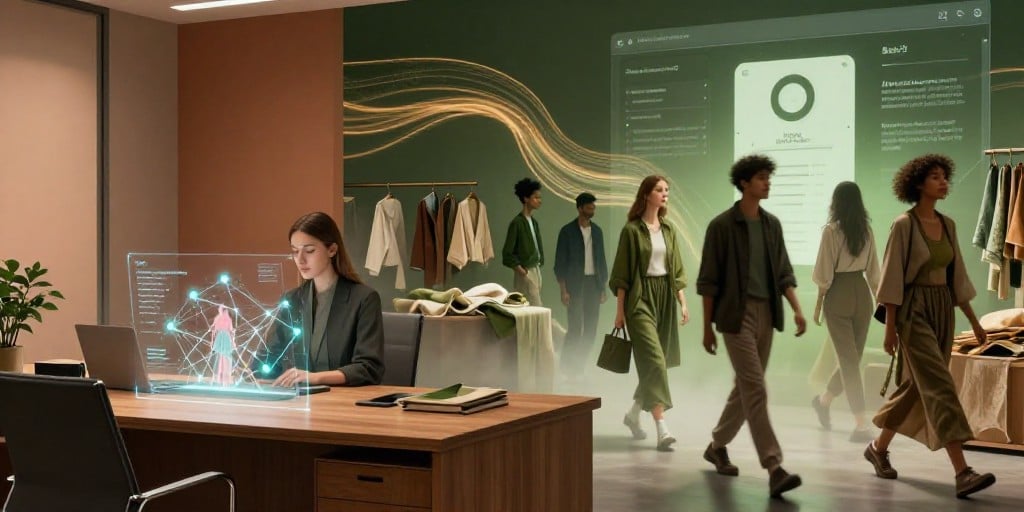
Ross Stores’ strategy emphasizes low‑cost merchandise coupled with a strong in‑store experience. The chain has invested in store‑layout optimization, leveraging data analytics to curate product assortments that reflect local demand patterns. This approach has been instrumental in maintaining high foot‑traffic volumes and improving conversion rates.
Retail innovation extends beyond physical stores. Ross has expanded its e‑commerce footprint through a “click‑and‑collect” model and mobile‑app initiatives that offer personalized product recommendations. These digital touchpoints have increased purchase frequency among younger consumers who prioritize convenience.
Consumer Spending Patterns
Market research data reveal that:
- Spending on apparel has stabilized at approximately 3.2% of household disposable income, a slight increase from the previous quarter but below the pre‑pandemic level of 3.5%.
- Consumer sentiment indicators suggest a cautious outlook; however, a growing proportion of consumers report satisfaction with discount retailers’ ability to provide high‑quality, brand‑name items at reduced prices.
Qualitative insights highlight a shift in lifestyle preferences: consumers are increasingly adopting “budget‑conscious” fashion cycles, where the emphasis is on versatility and durability rather than trend‑driven purchases. This cultural shift aligns with Ross’s core value proposition of offering name‑brand apparel at a fraction of the price.
Outlook
The retail landscape for the third quarter of 2026 indicates that discount apparel retailers will remain a key contributor to the sector’s modest growth. Ross Stores, with its focus on value‑oriented shopping and innovative in‑store and digital experiences, is well positioned to benefit from consumer preferences for cost‑effective fashion options. The continued resilience of discount retailers suggests that they will play a central role in supporting discretionary spending amid ongoing economic uncertainty and evolving consumer priorities.