Integration of NVIDIA Technologies into Emulate3D Platform
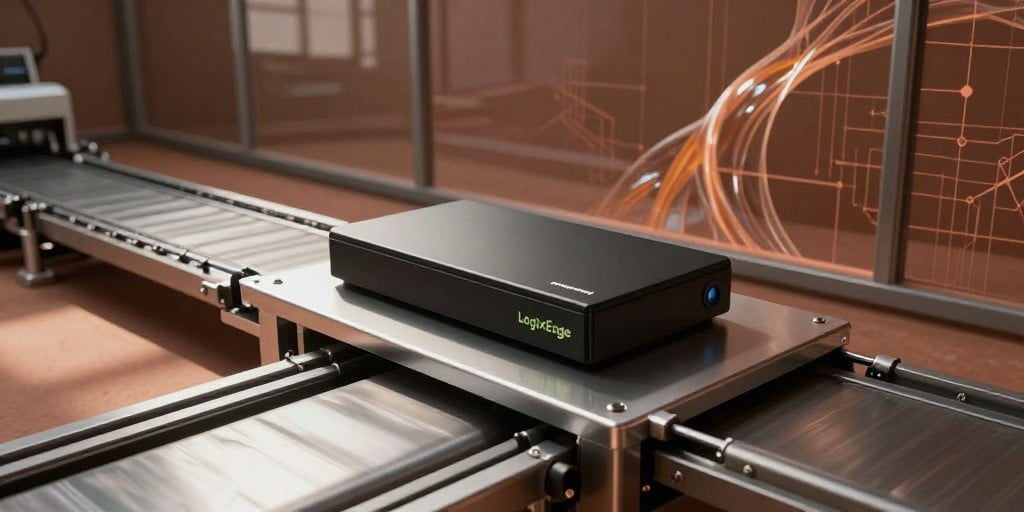
Rockwell Automation has announced the incorporation of NVIDIA’s Omniverse, RTX rendering, and OpenUSD frameworks into its Emulate3D industrial simulation platform. The move is designed to extend the scale, computational performance, and AI‑driven analytics of virtual factory environments. By enabling manufacturers to construct and test more expansive, complex factory‑scale models before physical deployment, the upgrade is intended to reduce commissioning risk, streamline design validation, and accelerate the adoption of artificial intelligence across engineering and operations functions.
Key aspects of the integration include:
- Real‑time rendering with RTX technology that delivers photorealistic visual fidelity, allowing engineers to assess design intent and operational flows in a highly immersive environment.
- Omniverse’s collaborative ecosystem, which facilitates multi‑user interaction and data exchange across distributed teams, thereby improving cross‑functional alignment.
- OpenUSD data interchange, ensuring that detailed asset metadata and simulation parameters can be transferred seamlessly between CAD, BIM, and simulation tools.
According to the senior software executive at Rockwell Automation, the combination of these capabilities will empower customers to validate and optimise critical design decisions within a virtual setting, thereby enhancing confidence in production outcomes and reducing costly on‑the‑line adjustments.
Clock Tower Farms: A Case Study in Controlled‑Environment Agriculture
In a distinct initiative, Rockwell’s Milwaukee headquarters has commenced operations of Clock Tower Farms, a fully automated hydroponic facility executed in partnership with Feeding America Eastern Wisconsin and Fork Farms. The indoor farm leverages controlled‑environment agriculture (CEA) techniques in conjunction with Rockwell’s PlantPAx control system to produce leafy greens throughout the year.
Key features of Clock Tower Farms include:
- PlantPAx‑driven environmental control that optimises temperature, humidity, nutrient delivery, and light spectra, resulting in high‑quality, sustainable produce.
- Automated harvesting and packaging, which reduces labor requirements and minimizes product waste.
- Direct supply chain integration with Feeding America, ensuring that locally grown produce reaches distribution centers promptly and supports community nutrition initiatives.
The project exemplifies how industrial automation can be repurposed to address social challenges, demonstrating the versatility of Rockwell Automation’s technology stack beyond conventional manufacturing environments.
Strategic Implications for Rockwell Automation
Both initiatives underscore Rockwell Automation’s broader strategy of extending its automation expertise into emerging sectors such as digital twin simulation and sustainable food production. By embedding cutting‑edge AI and rendering technologies into Emulate3D, the company is positioning itself at the forefront of industrial digital transformation, offering manufacturers a comprehensive platform that unifies design, simulation, and operational execution.
Simultaneously, the Clock Tower Farms project showcases the scalability of industrial control systems to support community‑focused applications, reinforcing the company’s commitment to societal impact while opening new revenue streams in the growing CEA market.
Across both efforts, the underlying business principles remain consistent:
- Competitive Positioning through Technological Integration – Combining proprietary control solutions with industry leaders such as NVIDIA enhances value propositions and differentiates Rockwell in a crowded automation market.
- Market Drivers and Economic Transitions – The push for digital twins aligns with broader trends in Industry 4.0, while sustainable agriculture addresses increasing consumer demand for locally sourced, climate‑resilient food.
- Operational Efficiency and Risk Mitigation – Advanced simulation reduces commissioning risk, and automated farming lowers labor costs and resource consumption, both contributing to cost‑competitiveness in volatile economic climates.
By maintaining an objective perspective while rapidly acquiring subject‑matter expertise, Rockwell Automation appears poised to capitalize on cross‑sector synergies that transcend traditional manufacturing boundaries, thereby solidifying its role as a leader in both industrial automation and societal‑impact initiatives.