
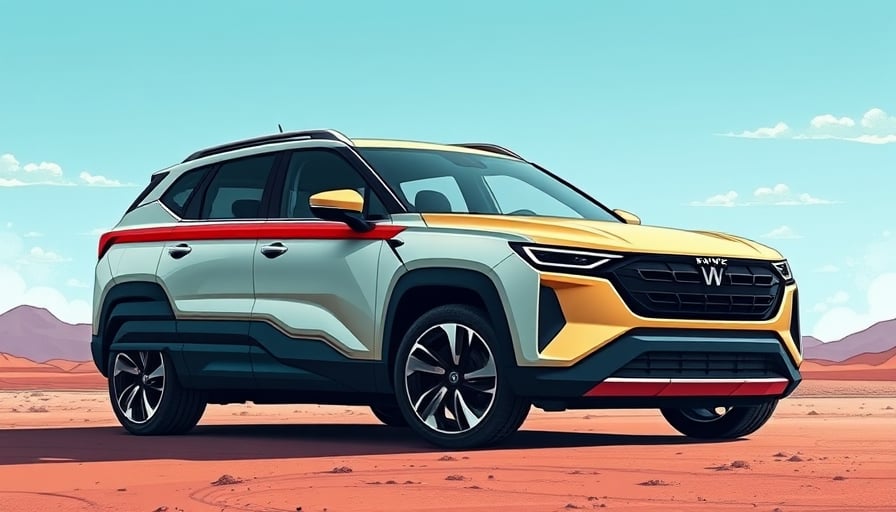
Corporate Update: Rivian Automotive Inc. Announces 2026 Production Plans for Midsize SUV
Rivian Automotive Inc., a Nasdaq‑listed electric‑vehicle manufacturer, has disclosed that its forthcoming midsize SUV, the R2, will enter production during the first half of 2026. The model is positioned at a lower price point than the current R1 lineup, with an estimated list price of approximately $45,000 before incentives. The company intends to broaden its customer base by offering a more affordable option that retains the brand’s hallmark performance and sustainability features.
Strategic Implications
From a corporate‑finance perspective, the introduction of the R2 aligns with Rivian’s long‑term product‑portfolio expansion strategy. By targeting a broader price segment, Rivian seeks to mitigate the concentration risk associated with high‑margin, high‑cost vehicles. The lower price point is expected to enhance demand elasticity in key growth markets, particularly in North America and Europe, where price sensitivity remains a significant barrier to mass adoption of electric vehicles (EVs).
In addition, the announcement reflects the firm’s commitment to scaling production capacity and achieving greater economies of scale. The first‑half‑2026 production schedule implies that Rivian has secured sufficient supply‑chain stability and manufacturing infrastructure to meet anticipated demand while controlling unit costs.
Analyst Reaction
Analysts at Wedbush have revised their price objective for Rivian’s shares upward, citing a potential upside and maintaining an “outperform” rating. The upgrade follows the company’s demonstrated ability to diversify its product offering and tap into new market segments. Wedbush’s commentary highlights the positive impact of the R2 on Rivian’s revenue projections, noting that a more competitive price point could accelerate adoption and improve market share against both traditional automakers and other EV entrants.
Complementary Innovations
Concurrent with the R2 announcement, an EV‑accessory firm unveiled a solar tonneau cover designed specifically for Rivian’s R1T pickup. The accessory exemplifies the growing interest in complementary technologies that enhance the functionality and appeal of electric trucks. By integrating renewable energy capture into vehicle accessories, the market is positioning itself to reduce the environmental footprint of EVs further while offering consumers added value.
The solar tonneau cover also underscores a broader trend in the automotive sector, where accessory manufacturers are increasingly aligning their products with the unique capabilities of electric platforms. This convergence of automotive and renewable‑energy technologies signals a shift toward more holistic, ecosystem‑based solutions within the industry.
Market Context
The EV market is witnessing intensified competition across multiple segments—from compact cars to midsize SUVs and heavy‑duty trucks. Rivian’s strategy to broaden its product range is consistent with industry best practices that emphasize differentiation and scalability. By addressing price sensitivity without compromising on brand identity, Rivian positions itself to capture a larger share of the rapidly expanding global EV demand.
Moreover, the introduction of solar‑powered accessories reflects a broader economic trend favoring circular and renewable energy solutions. As regulatory frameworks tighten around emissions and corporate sustainability goals, such innovations enhance the overall appeal of EVs and provide manufacturers with a competitive edge.
The information presented herein is derived from publicly available sources and reflects the company’s current communications and analyst assessments.