
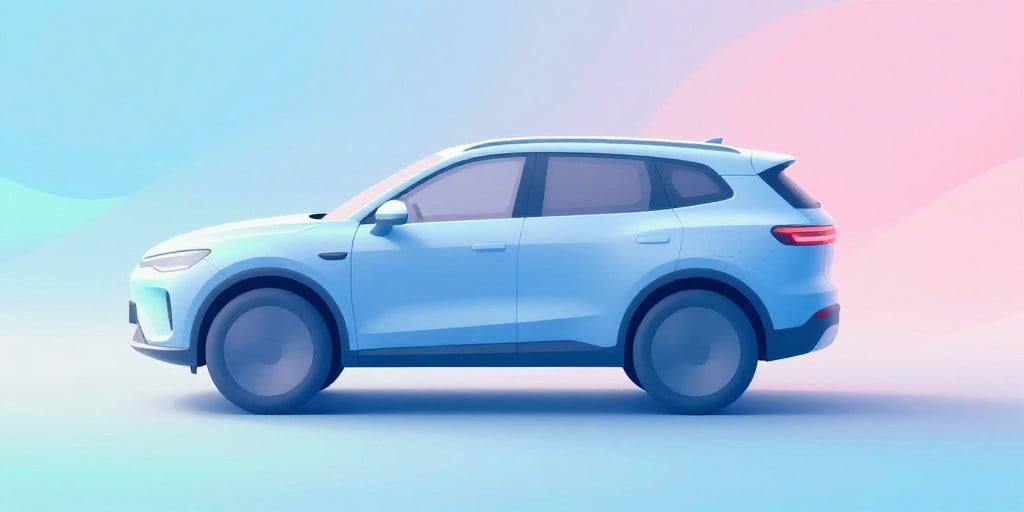
Rivian Automotive Inc. Commences Deliveries of First R2 Mid‑Size SUV Units
Rivian Automotive Inc. has announced that it has begun delivering the first production units of its new mid‑size SUV, the R2, to private customers. This milestone signals a strategic pivot for the electric‑vehicle manufacturer from a niche, high‑end focus toward a broader volume‑production strategy that aims to capture a larger share of the rapidly expanding electric‑vehicle (EV) market.
Market Reactions and Share Performance
The announcement triggered a markedly positive market response. Rivian’s shares experienced a notable uptick on the trading day, reflecting investor confidence in the company’s new product launch and its implications for future growth. Analysts suggest that the move addresses a critical gap in the EV ecosystem—mid‑size SUVs that combine affordability with advanced technology, a segment that has attracted significant consumer interest as the industry matures.
Executive Perspective on Differentiation
During a press briefing, Chief Executive Officer RJ Scaringe underscored the importance of providing consumers with distinct choices in the evolving EV landscape. He noted that while Tesla’s models remain well regarded, Rivian seeks to differentiate itself by offering an alternative that satisfies diverse customer preferences. Scaringe highlighted the R2’s design philosophy, which blends rugged capability with urban practicality, and positioned the vehicle as a bridge between Rivian’s flagship R1 series and the broader consumer market.
Strategic Implications for Rivian and the EV Sector
The R2 launch represents a critical step in Rivian’s ambition to transition from a niche manufacturer to a mainstream player. By expanding its product portfolio, Rivian can leverage economies of scale, reduce per‑unit costs, and improve supply‑chain resilience—factors that are increasingly important as global demand for EVs intensifies.
This development also illustrates broader industry trends:
- Diversification of Product Lines: Competitors such as Tesla, Lucid, and traditional automakers are similarly expanding their lineups to include mid‑range and affordable models, recognizing that volume sales are essential for profitability.
- Supply‑Chain Optimization: The ability to produce multiple models on shared platforms can mitigate risks associated with component shortages and regulatory changes.
- Consumer Preference Shifts: As EVs become more mainstream, consumers are seeking vehicles that align with specific lifestyle needs—off‑road capability, family transport, or urban commuting—rather than a one‑size‑fits‑all approach.
Economic Context and Competitive Positioning
Rivian’s strategic shift aligns with macroeconomic signals, such as tightening monetary policy in the United States and the gradual easing of supply‑chain bottlenecks. By targeting a broader market segment, Rivian positions itself to benefit from sustained consumer demand and potential subsidies aimed at accelerating EV adoption.
Competitive positioning will hinge on several factors:
- Price Point: The R2’s pricing relative to comparable models from Tesla, Ford, and other EV entrants.
- Technology Integration: The inclusion of advanced driver‑assist features, battery range, and charging infrastructure compatibility.
- Brand Loyalty: Rivian’s brand narrative, rooted in adventure and sustainability, must resonate with a broader audience while maintaining its core identity.
Conclusion
The commencement of deliveries for the R2 mid‑size SUV marks a pivotal moment for Rivian Automotive Inc. By expanding its product lineup and moving toward higher‑volume production, Rivian is redefining its competitive strategy within the electric‑vehicle industry. The positive market reaction underscores investor confidence in this new direction, suggesting that the company’s diversified approach may serve as a model for other manufacturers navigating the rapidly evolving automotive landscape.