
Corporate News Analysis: Rio Tinto PLC’s Recent Developments
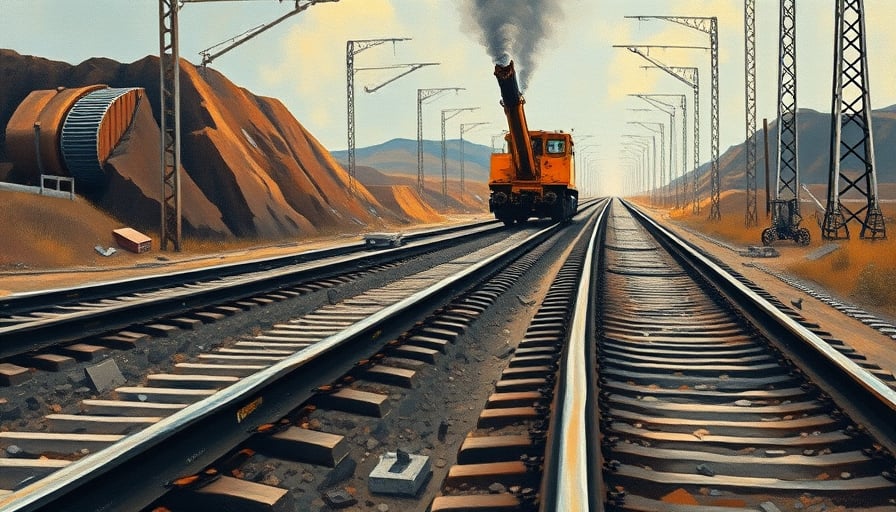
Rio Tinto PLC, one of the world’s largest integrated metals and mining companies, received a Hold rating from Macquarie on 8 December 2025, accompanied by a price target of A$130.00. On the same day, the company announced the delivery of its first rail car manufactured in the Pilbara region of Western Australia, marking the commencement of a partnership aimed at locally producing a fleet of iron‑ore rail cars. No additional operational updates were released by Rio Tinto in the following days.
Credit Assessment and Market Implications
Macquarie’s decision to assign a Hold rating reflects a balanced view of Rio Tinto’s financial position and market outlook. The firm’s recommendation suggests that, while the company’s revenue streams remain robust due to sustained demand for iron ore, there are underlying risks that warrant cautious investment. Key considerations likely include:
| Factor | Impact | Rationale |
|---|---|---|
| Commodity Price Volatility | Moderate | Iron‑ore prices fluctuate with global demand cycles, especially from China. |
| Geopolitical Risk | Low to Moderate | Operations in Australia mitigate exposure to political instability, but global trade tensions remain relevant. |
| Capital Expenditure (CapEx) | Moderate | Investment in local rail car manufacturing indicates a commitment to logistical efficiencies but increases short‑term cash outlays. |
| Debt Structure | Stable | Rio Tinto maintains a conservative leverage profile, though rising commodity prices could enhance debt servicing capacity. |
The price target of A$130.00 aligns with analysts’ consensus that Rio Tinto’s earnings potential will continue to be driven by iron‑ore production levels and efficient cost management.
Strategic Shift to Localized Rail Car Production
The announcement of the first locally manufactured rail car represents a strategic pivot toward vertical integration in Rio Tinto’s supply chain. By producing rail cars in Pilbara, the company aims to:
- Reduce Transportation Costs – Eliminating the need to import heavy rail equipment from overseas suppliers lowers logistics expenses.
- Enhance Operational Flexibility – In‑country production enables quicker deployment and maintenance of rolling stock, improving mine-to-port turnaround times.
- Support Regional Economic Development – Local manufacturing stimulates the Australian workforce, aligning with governmental incentives for domestic industrial capability.
This move echoes broader industry trends where mining firms seek to internalize critical components of their logistics chain, thereby mitigating external supply shocks and enhancing resilience.
Cross‑Sector Comparisons
Rio Tinto’s initiative to build rail cars domestically can be contrasted with similar efforts in the automotive and aerospace sectors, where companies increasingly adopt localized manufacturing to control supply chains and reduce carbon footprints. Key lessons from those industries include:
- Supply Chain Localization: Both sectors have demonstrated that proximity to end‑use reduces lead times and inventory requirements.
- Technology Transfer: Advanced manufacturing techniques (e.g., additive manufacturing) are being leveraged to streamline production cycles.
- Sustainability Goals: Reduced freight distances contribute to lower greenhouse gas emissions, a factor now integral to corporate environmental, social, and governance (ESG) metrics.
Adopting these best practices, Rio Tinto is positioning itself to meet emerging ESG expectations while maintaining competitive advantage in cost efficiency.
Economic Context and Broader Trends
The global mining industry is currently navigating a complex macroeconomic environment marked by:
- Post‑Pandemic Supply Chain Adjustments – Companies are reassessing dependencies on international suppliers.
- Energy Transition Pressures – While iron ore remains essential for construction, mining firms face scrutiny over carbon intensity.
Currency Fluctuations Impact Rationale AUD/US$ Volatility Australian dollar movements influence export pricing and profitability.
Rio Tinto’s decision to invest in local rail production can be seen as a hedging strategy against these uncertainties, ensuring that the company’s logistical backbone remains robust irrespective of external market shocks.
Conclusion
The Hold rating from Macquarie, coupled with the targeted price of A$130.00, signals a measured view of Rio Tinto’s near‑term prospects. The company’s commitment to local rail car manufacturing underscores a strategic emphasis on supply‑chain resilience and cost optimization, aligning with broader corporate trends toward vertical integration and sustainability. Investors should monitor how these operational shifts influence Rio Tinto’s financial performance, particularly in the context of commodity price movements and macroeconomic variables that impact the mining sector.