Rio Tinto’s Dual‑Track Investment Strategy: Infrastructure Expansion and Emerging‑Technology R&D
Joint Venture for the Dampier Seawater Desalination Plant
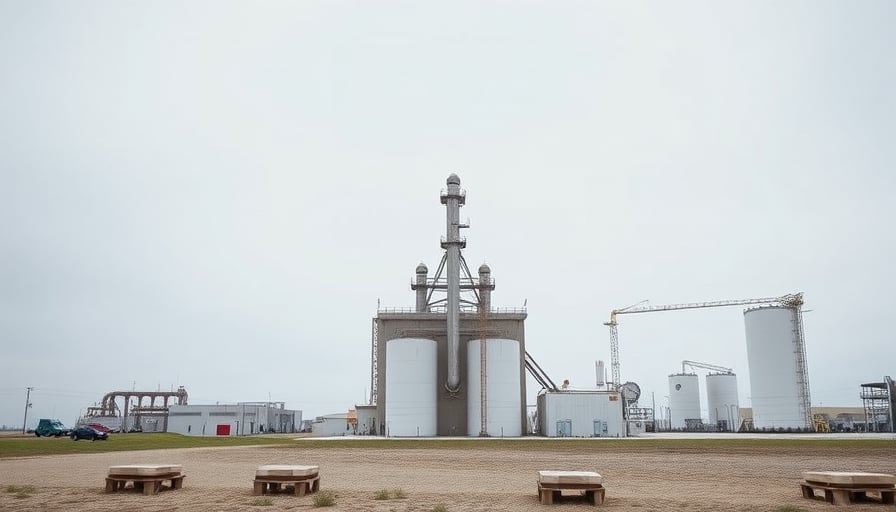
Rio Tinto PLC has entered into a 50:50 joint venture with the Western Australian government to develop the Dampier seawater desalination plant. The partnership will cover both the initial design and the subsequent construction phases of the facility, which is projected to deliver substantial volumes of potable water to the Dampier region.
The plant is strategically positioned to support the company’s iron‑ore and copper operations in Western Australia, where water scarcity is a critical operational constraint. By securing a reliable source of desalinated water, Rio Tinto reduces exposure to supply‑chain disruptions, aligns with regional sustainability targets, and enhances its competitive positioning against rivals that rely on less secure water sources.
The venture reflects a broader trend in the mining sector, where infrastructure investments—particularly those addressing critical logistics and environmental compliance—are increasingly viewed as value‑adding assets rather than mere cost centres.
Canadian Government Funding for Gallium R&D
In a separate development, the Canadian government has approved a non‑repayable grant to support Rio Tinto’s research and development activities in gallium. Gallium, a rare‑earth metal with applications in semiconductors, photovoltaic panels, and LED technology, represents a high‑growth niche outside the company’s traditional commodity base.
The funding aims to accelerate the miner’s gallium metal project, which involves the extraction and processing of gallium from by‑products of copper and zinc mining. By diversifying into gallium, Rio Tinto positions itself to capture emerging market demand driven by the global shift toward advanced electronics and renewable‑energy technologies.
This move also aligns with Canada’s broader strategy of fostering innovation ecosystems that leverage its rich mineral resources, thereby strengthening the domestic high‑tech supply chain.
Financial Performance and Analyst Sentiment
Rio Tinto’s recent quarterly earnings have underscored robust performance, with record outputs in iron ore and copper contributing to a solid revenue stream. The company’s cash position remains healthy, allowing continued capital allocation toward both core commodity projects and high‑potential research initiatives.
Despite these strengths, several investment banks have issued downward revisions to their price targets. Their rationale centres on a valuation that they perceive to be narrowly aligned with peers, potentially underestimating the long‑term upside from the company’s diversification strategy and infrastructure investments. The market reaction suggests a nuanced view: while Rio Tinto’s operational fundamentals remain strong, investors are increasingly attentive to how the firm’s strategic initiatives could reshape its risk–return profile.
Strategic Implications and Cross‑Sector Linkages
The simultaneous focus on infrastructure development and emerging‑technology research illustrates Rio Tinto’s dual‑track approach. On one hand, securing reliable water supplies via the Dampier desalination plant reduces operational risk and aligns with the mining industry’s growing emphasis on sustainability. On the other hand, investment in gallium positions the company at the intersection of mining and high‑tech manufacturing, reflecting a broader trend of resource companies diversifying into downstream value chains.
These initiatives also highlight the interconnectedness of macroeconomic factors. The rising demand for metals tied to the global transition to low‑carbon technologies—such as copper for electrical grids and gallium for semiconductor components—creates new revenue streams. Meanwhile, infrastructural resilience becomes increasingly valuable as climate change exacerbates supply‑chain fragility.
Conclusion
Rio Tinto’s recent commitments to the Dampier seawater desalination plant and gallium R&D demonstrate a strategic blend of operational consolidation and forward‑looking diversification. By addressing both immediate infrastructure needs and long‑term technological opportunities, the company seeks to reinforce its competitive standing in the mining industry while positioning itself for growth in adjacent high‑technology sectors. This approach reflects a broader corporate trend of aligning core mining activities with emerging industrial demands, thereby creating a more resilient and adaptable business model.