
Swiss Market Activity and Richemont’s Quiet Performance
The Swiss market on February 10 and 11, 2026 exhibited a restrained trading dynamic, with the Swiss Market Index and the Swiss Small‑Cap Index moving only modestly. Within this subdued backdrop, Richemont—trading on the SIX Swiss Exchange and categorized under the consumer‑discretionary sector—recorded a modest positive gain during the session, as noted in a brief market‑watch commentary. No significant corporate announcements or earnings disclosures emerged for the luxury‑goods conglomerate, and its share price, which had closed near 160 CHF the previous day, remained largely unchanged amid the overall market’s low volatility.
The Intersection of Digital Transformation and Physical Retail
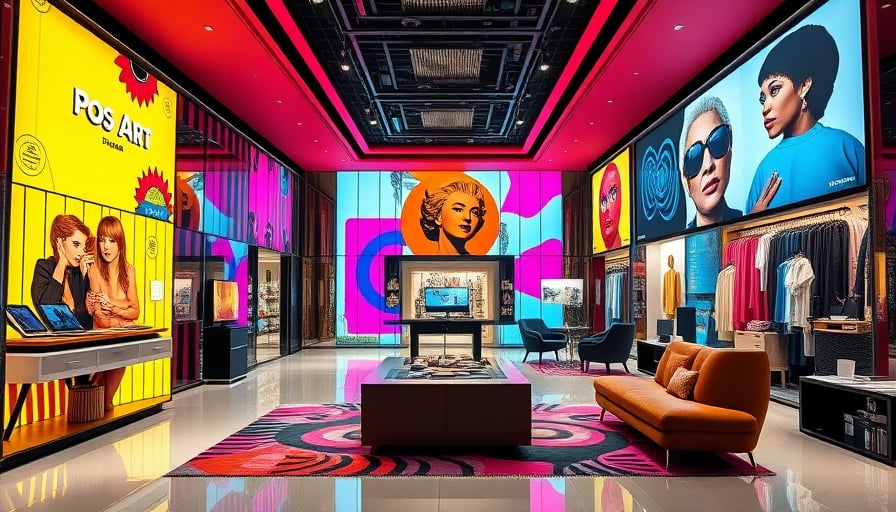
Richemont’s recent trading stability reflects a broader trend in the luxury consumer sector: a gradual but steady convergence of digital and physical retail channels. Luxury brands have increasingly embraced e‑commerce platforms, virtual showrooms, and augmented‑reality try‑on experiences to complement their brick‑and‑mortar stores. This dual‑channel approach serves not only to widen customer reach but also to deepen engagement through personalized, technology‑enabled interactions. For investors, the stability in Richemont’s share price may signal confidence that the company’s hybrid retail strategy is effectively mitigating the risk associated with a purely physical presence in a post‑pandemic world.
Generational Spending Patterns and Market Opportunities
The Swiss consumer base is experiencing a notable shift in generational composition. Millennials and Gen Z now represent a larger share of purchasing power than previous decades, and their spending habits differ markedly from those of older cohorts. These younger consumers prioritize experiences, sustainability, and digital convenience over traditional luxury metrics. They are also more inclined to support brands that demonstrate social responsibility and ethical sourcing.
For Richemont, this presents an opportunity to recalibrate its product mix and marketing initiatives. By integrating sustainability into its supply chain and highlighting heritage alongside innovation, the company can appeal to younger buyers without alienating its core clientele. Moreover, data analytics and customer relationship management tools can help Richemont tailor offers to individual preferences, thereby fostering brand loyalty across demographic segments.
Cultural Movements Shaping Consumer Experiences
Contemporary cultural movements—such as the rise of wellness, the emphasis on authenticity, and the growing appetite for heritage storytelling—are reshaping how consumers perceive luxury. These trends drive demand for products that embody both quality and meaning. Brands that can weave compelling narratives into their retail experiences—whether through pop‑up events, immersive installations, or limited‑edition collaborations—are likely to capture the imagination of culturally engaged shoppers.
In Switzerland, a country renowned for craftsmanship and precision, these cultural currents can be leveraged to reinforce brand positioning. By collaborating with local artisans, sponsoring cultural festivals, or curating exclusive collections that reflect Swiss heritage, Richemont can create differentiated experiences that resonate with both domestic and international audiences.
Forward‑Looking Market Outlook
Digital‑Physical Synergy The continued integration of online and offline retail will remain a central pillar of consumer engagement. Companies that invest in seamless omnichannel experiences—such as buy‑online‑pick‑up‑in‑store (BOPIS) or virtual concierge services—will likely capture higher market share.
Sustainability as a Value Driver Environmental, social, and governance (ESG) criteria are increasingly influencing purchase decisions. Brands that can transparently trace their supply chains and communicate sustainability metrics will gain a competitive edge, particularly among younger demographics.
Experience‑Centric Offerings Retail will evolve beyond transactional encounters to immersive, personalized journeys. Retailers that can deliver curated narratives, interactive displays, and exclusive events will differentiate themselves in a crowded marketplace.
Data‑Driven Personalization Advanced analytics will enable firms to anticipate consumer needs and deliver hyper‑personalized offers. This capability will be critical in retaining customer loyalty amid intense competition.
In summary, Richemont’s recent trading performance, though modest, underscores a broader sectoral shift toward integrating digital innovation with traditional luxury retail. By aligning its strategy with evolving generational preferences, cultural narratives, and sustainability imperatives, the company is positioned to capitalize on emerging consumer opportunities in the Swiss market and beyond.