
Corporate Analysis: Rheinmetall AG’s Order‑Book Expansion Amidst European Defence Re‑armament
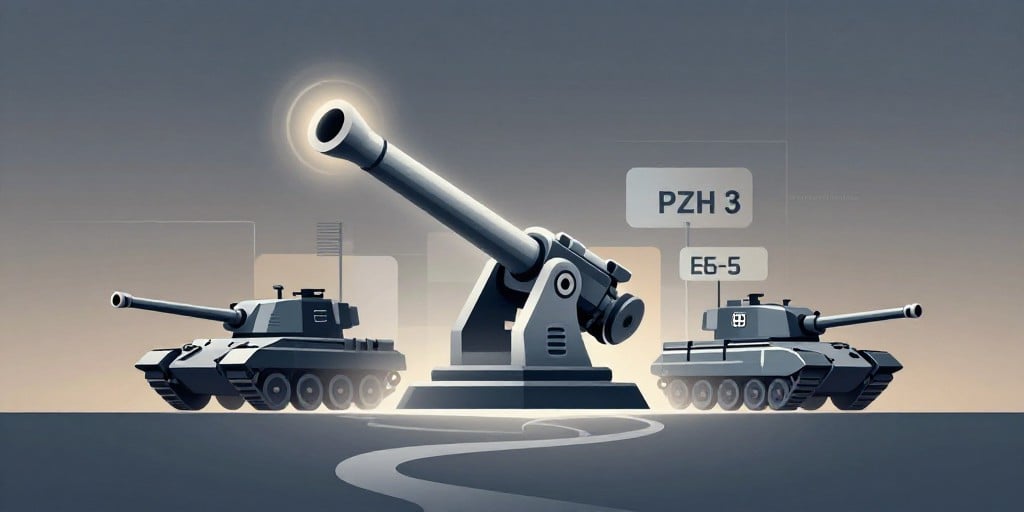
Rheinmetall AG, the German defence conglomerate known for its land‑based weaponry, has drawn significant attention from investors and industry observers following the release of its latest quarterly results. The company reported a marked increase in its order book, driven largely by continued demand for its flagship 155‑mm howitzer and the PzH 3 battle tank. These developments have spurred a modest rise in the company’s share price, reflecting a cautious optimism among market participants regarding Rhein Metall’s capacity to convert the backlog into delivered revenue.
Sector‑Specific Dynamics
The European defence market is experiencing a sustained upturn in procurement activity, a trend largely attributed to heightened security concerns surrounding the ongoing conflict in Ukraine. NATO member states have responded by expanding their defence budgets, with Germany earmarking a substantial portion for new arms purchases. Within this context, Rhein Metall’s focus on land‑based systems positions it advantageously, as many countries are prioritising modernised artillery and mechanised infantry capabilities. The company’s recent orders for the 155‑mm howitzer and PzH 3 tank align with this shift, underscoring a clear demand for high‑performance, integrated platforms.
Competitive Positioning and Technological Edge
Rhein Metall’s competitive stance is reinforced by its strategic investments in dual‑use technology and advanced electronics. The firm’s expansion of production capacity in these areas is seen as a proactive response to the increasing need for cyber‑physical integration in modern weapon systems. Moreover, Rhein Metall has secured agreements with both domestic and international partners to supply components for modernised artillery and infantry systems. These collaborations not only diversify the company’s supply chain but also embed it within the broader European defence ecosystem, enhancing its resilience against single‑source dependencies.
Economic Factors and Broader Trends
The defence sector’s performance is intrinsically linked to macro‑economic variables such as fiscal policy, geopolitical risk, and currency fluctuations. The current rise in defence expenditures across NATO has provided a short‑to‑mid‑term growth catalyst for companies like Rhein Metall. However, the broader market reaction to the earnings report has been muted, indicating that investors remain uncertain about the sustainability of this growth. Factors such as the potential de‑escalation of the Ukraine conflict, shifts in European defence policy, and the pace of technology diffusion could alter demand trajectories.
Furthermore, the integration of advanced electronics and dual‑use technology positions Rhein Metall at the intersection of the defence and technology sectors. As governments seek to modernise their fleets, the demand for systems that can transition between military and civilian applications is likely to increase, potentially opening new revenue streams for companies that can navigate this cross‑sector landscape.
Conclusion
Rhein Metall AG’s recent surge in its order book reflects the company’s strategic alignment with contemporary defence priorities and its ability to leverage advanced technological capabilities. While the immediate market response signals optimism, it also underscores a broader caution among investors, who are awaiting clearer evidence of the firm’s long‑term growth trajectory. The company’s current trajectory, set against the backdrop of a dynamic geopolitical environment and evolving economic conditions, positions it as a key player in the defence market, albeit one that must continually adapt to navigate the uncertainties that shape capital flows in the sector.