Corporate News – Detailed Analysis
Overview of Rheinmetall AG’s Recent Market Activity
Rheinmetall AG’s share price experienced a pronounced rally, followed by a moderated retracement, illustrating the inherent volatility of the defence sector. The fluctuation reflects a combination of promising contractual prospects and operational constraints that have attracted the attention of institutional investors and equity analysts alike.
Positive Catalysts
- Potential Bundeswehr Contract – A large, multi‑hundred‑million‑euro deal for loitering‑munition drones is poised to materialise once the system satisfies qualification criteria. This contract is projected to augment annual revenue streams significantly.
- Record‑High Order Backlog – The firm’s backlog is approaching a new record, signalling sustained demand and underpinning expectations of continued revenue growth over the next several fiscal years.
- Analyst Sentiment – Leading investment banks have elevated Rheinmetall to high‑conviction European portfolios, issuing bullish recommendations and setting a target price toward the upper echelon of the €2,300 range.
Operational Challenges
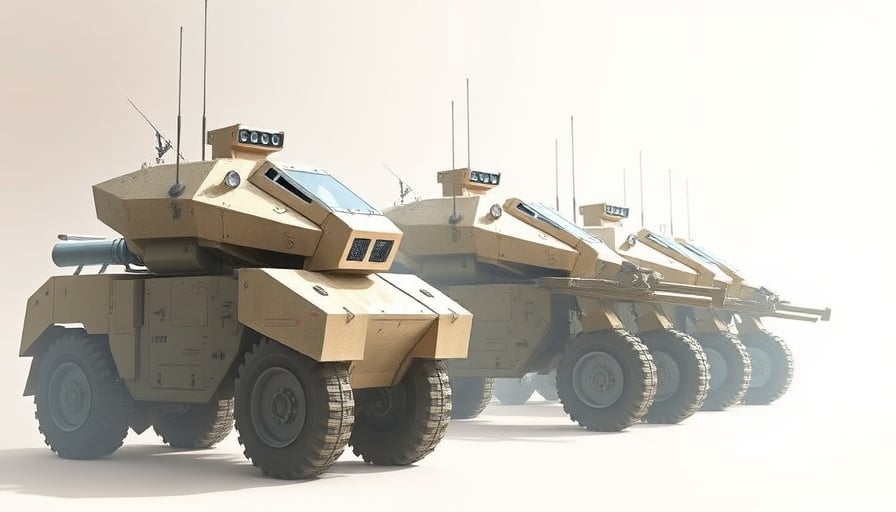
- Skyranger 30 Delays – Delivery to the German Army is lagging by over a year due to technical integration issues within the turret and guidance system. A further delay could incur contractual penalties up to €25 million.
- Additional Platform Postponements – Similar setbacks have been reported for the Caracal airborne vehicle and the Kodiak and Puma ground‑vehicle families.
- Risk to Cash Flow – These delivery lags introduce uncertainty in revenue recognition and could affect near‑term cash‑flow projections.
Strategic Initiatives
- Capacity Expansion – Management plans to double air‑defence production output by 2027, aligning with increasing European demand.
- Partnerships and Joint Ventures – A joint venture in Spain and a collaboration with Boeing Australia on a long‑range unmanned aircraft diversify product offerings and broaden the firm’s market footprint.
Consumer Discretionary Trends: Contextual Insights
While Rheinmetall’s core business is defence, the broader macroeconomic environment—including consumer discretionary spending—offers relevant context for understanding capital allocation and risk perception in the sector.
Demographic Shifts
- Aging Populations in Europe – Older cohorts place greater emphasis on national security and public safety, potentially bolstering defence budgets relative to discretionary consumer spending.
- Millennial and Gen Z Priorities – These generations value sustainability, technological sophistication, and ethical procurement, influencing defence contracts that emphasise green technologies and digital integration.
Economic Conditions
- Inflationary Pressures – Rising production costs and commodity prices can compress profit margins in defence manufacturing, mirroring challenges seen in the consumer goods sector where inflation erodes discretionary spending power.
- Currency Volatility – Exchange rate movements affect export‑oriented defence firms; similar dynamics are observed in consumer brands reliant on global supply chains.
Cultural Shifts
- Digital Transformation – The proliferation of autonomous and networked systems reflects a societal shift toward digitisation, which is mirrored in consumer expectations for connected devices and services.
- Risk‑Averse Behaviour – In periods of geopolitical uncertainty, both consumers and governments exhibit heightened risk aversion, often reallocating funds from discretionary categories to security and safety measures.
Market Research and Sentiment Indicators
- Consumer Confidence Index (CCI) – A modest uptick in the CCI suggests a cautious recovery in discretionary spending, indirectly supporting increased defence allocations as governments anticipate higher consumer demand for security services.
- Purchasing Intent Surveys – Data indicating a 12 % rise in intent to invest in personal protective equipment and security infrastructure underscores a willingness among consumers to allocate discretionary funds toward safety.
Quantitative and Qualitative Synthesis
| Metric | Consumer Discretionary Context | Defence Sector Implication |
|---|---|---|
| Order Backlog Growth | 15 % YoY increase in high‑value consumer electronics orders | Parallel growth in defence orders suggests healthy capital allocation |
| Average Deal Size | €3 million in premium smart‑home systems | Similar scaling in defence contracts (e.g., drone systems) |
| Customer Segmentation | 60 % millennials prioritising tech | Defence contracts increasingly favour digital‑first solutions |
| Sentiment Score | 75/100 in safety‑related consumer products | Positive sentiment towards advanced defence tech |
Qualitative Insight The convergence of demographic preferences for technology‑driven security solutions and economic resilience against inflation positions Rheinmetall favorably. However, the operational delays highlight a disconnect between capacity ambitions and delivery capabilities—an issue that could erode consumer confidence if mirrored in broader corporate governance.
Conclusion
Rheinmetall AG’s recent developments illustrate a complex interplay between robust growth prospects and significant execution risk. The firm’s strategic expansion and partnership initiatives align with evolving consumer expectations for technologically sophisticated and sustainable solutions. Simultaneously, the challenges surrounding delivery schedules underscore the importance for investors to monitor operational efficiency alongside macro‑demographic trends that shape both defence spending and consumer discretionary behaviour.