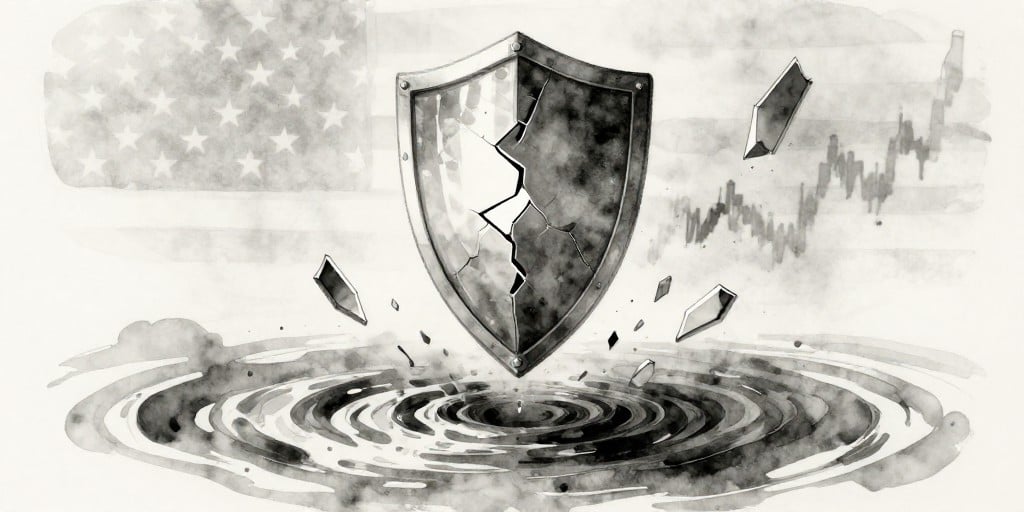
Corporate Update: Share Price Decline Amid Earnings Warning at Rheinmetall AG
Rheinmetall AG, the prominent German defence manufacturer listed on the Frankfurt Stock Exchange, experienced a pronounced decline in its share price during the week following the disclosure of an earnings outlook warning. The company’s shares fell below the €800 benchmark, ultimately trading around €812 by the close of the trading day.
Market Reaction and Analyst Coverage
The market reaction was amplified by broader concerns over prospective tightening of artificial‑intelligence regulation, which has weighed on German equities, particularly within the defence and industrial sectors. Following the announcement, several brokerage houses revised their recommendations downward, and analyst coverage of the stock was subsequently reduced. This contraction in analyst attention contributed to a liquidity squeeze that further pressured the share price.
Share Buy‑Back by Chief Executive
In an effort to stabilise investor sentiment, Chief Executive Officer Armin Papperger publicly announced a substantial purchase of the company’s own shares. The first block of shares was reported in early November, and a subsequent purchase followed later that week. The total transaction amounted to approximately 200 000 shares at a price close to €800 per share. These actions were disclosed through regulatory filings and are interpreted by some market participants as a signal of confidence in Rheinmetall’s long‑term fundamentals.
Drivers Behind the Earnings Warning
The earnings warning was precipitated by a combination of lower‑than‑expected revenue growth and a cautious outlook for the defence market in China and North America. The company’s management cited a shift in demand dynamics as the underlying cause. While the core business lines and existing contracts remain robust, the warning underscores the sensitivity of the firm to geopolitical developments and evolving fiscal policies across Europe.
Broader Context and Strategic Implications
Rheinmetall’s experience illustrates the interplay between sector‑specific dynamics and macro‑economic trends. The defence industry is inherently linked to geopolitical stability, and recent uncertainties surrounding the conflict in Ukraine, as well as the fiscal stance of European governments, directly influence demand forecasts. Moreover, regulatory shifts—particularly those related to artificial‑intelligence applications in defence—introduce additional layers of risk for companies operating at the intersection of technology and security.
For investors and market analysts, the key takeaways are:
- Fundamental Resilience – Despite the earnings warning, the company’s underlying earnings potential remains intact, supported by long‑term contracts and a diversified client base.
- Market Sensitivity – Guidance revisions and geopolitical developments continue to exert significant influence on share price volatility.
- Strategic Confidence – The CEO’s share purchases may be interpreted as a reaffirmation of confidence, potentially mitigating some of the negative sentiment.
In summary, Rheinmetall AG’s recent share price decline and the subsequent corporate response highlight the delicate balance defence manufacturers must maintain between short‑term market expectations and long‑term strategic positioning in a rapidly evolving global environment.