Expanding Horizons: The Rising Tide of Real‑Estate Investment Trusts
The first nine months of the year have witnessed a pronounced acceleration in the public real‑estate investment trust (REIT) market, with 29 new entities securing regulatory approval—a record for the period. This surge reflects a strategic pivot toward a broader asset base, encompassing not only traditional infrastructure such as industrial parks, highways, and warehouses but also commercial real estate, coal‑fired power generation, and niche categories like tunnel‑based REITs. The diversification is indicative of a sector poised to harness emerging opportunities at the confluence of digital transformation, evolving consumer preferences, and shifting demographic dynamics.
Digital‑Physical Synergy in Retail Real Estate
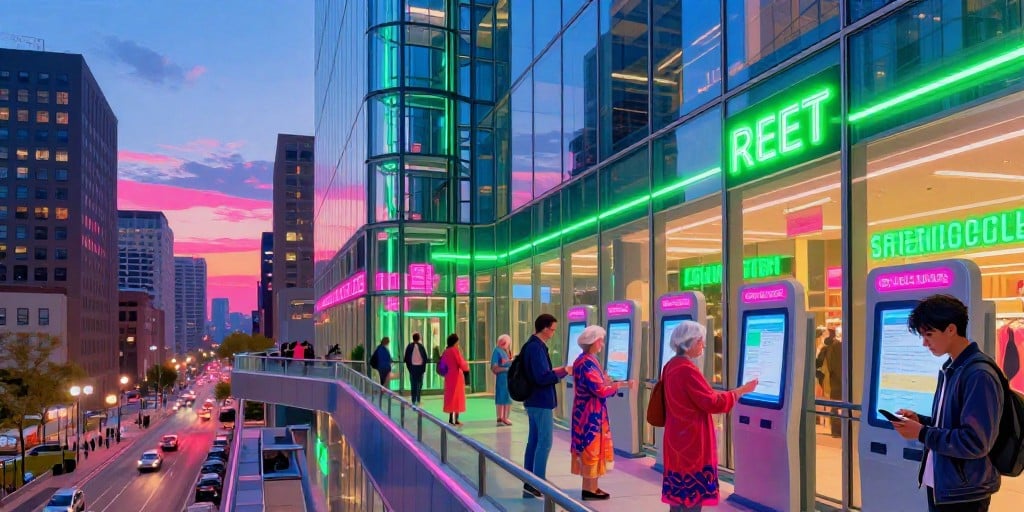
A core driver of REIT expansion is the integration of digital technology into physical retail environments. Consumers increasingly expect seamless omnichannel experiences, prompting retailers to invest in data‑enabled stores that blend online convenience with in‑person engagement. REITs that own mixed‑use developments—combining retail, office, and residential spaces—can capitalize on these trends by offering flexible floor plans that support both e‑commerce fulfillment centers and experiential retail outlets. The rise of “last‑mile” logistics hubs, for instance, turns vacant warehouses into high‑yield assets, while smart building technologies reduce operating costs and enhance tenant appeal.
Generational Spending and Consumer Experience
Millennials and Gen Z are reshaping consumption patterns, prioritizing experiences over material goods and demanding sustainability and transparency. These cohorts gravitate toward destinations that offer curated, socially responsible shopping, dining, and leisure options. Commercial property REITs that invest in boutique hotels, wellness centers, and community‑centric shopping plazas are therefore positioned to capture a share of the growing experiential economy. Moreover, the preference for “work‑from‑anywhere” arrangements has increased demand for adaptable office spaces that can pivot between remote, hybrid, and in‑person use—a niche that many emerging REITs are targeting.
Demographic Shifts and the Aging Population
The aging of the global population, particularly in developed economies, presents a dual opportunity. On one hand, there is a rising demand for senior housing and healthcare facilities, driving investment in specialized real‑estate projects. On the other hand, retirees often maintain significant disposable income and seek quality living environments, creating a market for high‑end retirement communities and mixed‑use developments that blend residential units with retail and wellness amenities. REITs that can strategically combine these elements stand to benefit from a demographic that is both financially robust and increasingly focused on quality of life.
Market Dynamics: Primary versus Secondary Activity
While the primary market for REITs has been robust—evidenced by the record number of new listings—the secondary market remains uneven. Broad‑market indices have dipped modestly, and several established REITs have experienced price declines. The disparity suggests a misalignment between the pace of new issuances and the market’s capacity to absorb them. Institutional investors continue to dominate holdings, whereas individual participation has waned, perhaps due to heightened volatility or perceived lack of liquidity. Insurance companies, key long‑term capital providers, have also reported a modest decline in their REIT allocations.
Path Forward: Balancing Innovation with Liquidity
Industry analysts stress that sustained growth will hinge on aligning the expansion of the asset portfolio with the development of a more liquid secondary market. To this end, regulators and market participants may need to consider measures that enhance transparency, improve pricing mechanisms, and encourage broader investor participation. The introduction of new asset classes—such as coal‑fired power REITs and tunnel‑based investments—demonstrates the sector’s willingness to innovate, but these ventures also underscore the need for robust risk‑management frameworks that account for regulatory, environmental, and market risks.
Conclusion
The evolving REIT landscape presents a compelling narrative of how lifestyle trends, demographic shifts, and cultural movements are reshaping consumer sectors. Digital transformation is redefining physical retail spaces, generational spending is steering demand toward experiential and sustainable assets, and an aging population is driving investment in specialized real‑estate projects. For investors and developers alike, the key to unlocking these opportunities lies in balancing aggressive product innovation with disciplined market dynamics that ensure liquidity, transparency, and long‑term value creation.