Regulatory Filings and Market Context for E.ON SE
Overview of Recent Disclosures
E.ON SE, a leading European energy company, has been the subject of a sequence of filings in the German Federal Register between September and October 2026. These documents detail the maintenance of short‑sale positions by an external investment firm. The reports confirm that the holder’s stake in E.ON SE’s issued share capital has consistently remained below one percent, fluctuating between 0.49 % and 0.61 % during the stated period. The disclosures are routine regulatory obligations, providing transparency on share ownership structures, and do not contain any operational performance metrics, financial results, or strategic initiatives from E.ON SE itself.
Interpretation for Investors and Analysts
Given the nature of the filings, they should be viewed as compliance matters rather than signals of a substantive shift in the company’s financial health or market valuation. The modest level of short‑sale interest does not, on its own, indicate impending volatility or a change in the company’s strategic trajectory. Analysts should therefore maintain a neutral stance toward E.ON SE’s share price based on these documents alone.
Sectoral Developments in Renewable Energy
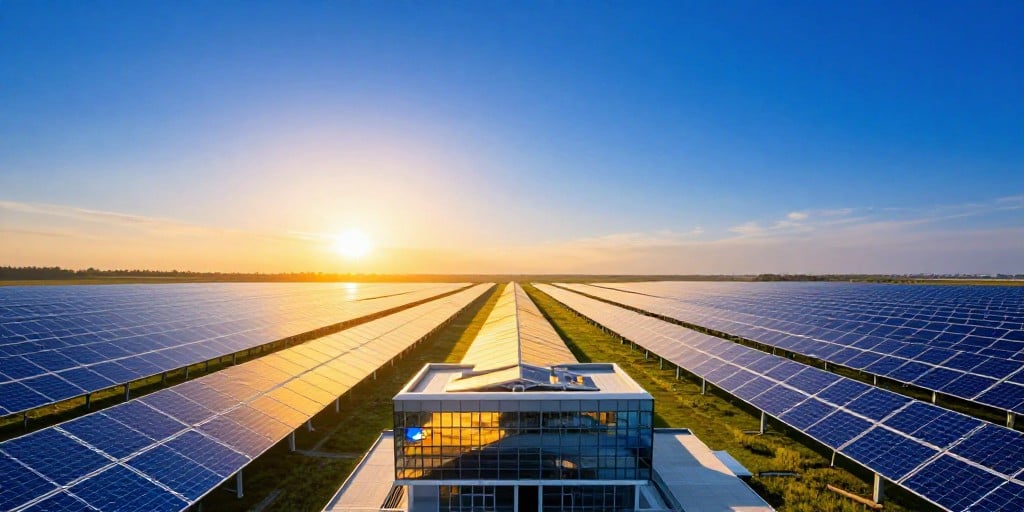
During the same timeframe, German media outlets reported a notable expansion in solar electricity generation across the country, with the sector surpassing 100 terawatt hours (TWh) of production in 2026. This milestone underscores the continued integration of renewable energy sources into the national grid and reflects broader European trends toward decarbonization and energy transition.
While this growth in solar capacity highlights the evolving energy landscape, it does not directly alter E.ON SE’s immediate financial outlook or share performance. Nevertheless, the broader shift toward renewables may influence E.ON SE’s long‑term strategy, particularly in areas of grid infrastructure, energy storage, and distributed generation services.
Cross‑Industry Implications
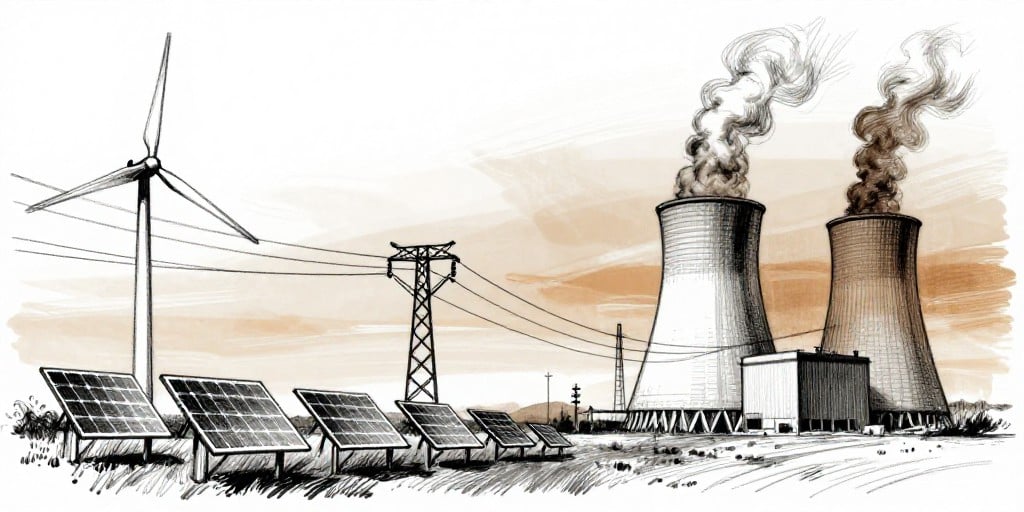
The regulatory disclosures, the rise of solar power, and the absence of other company‑specific announcements together suggest a period of operational steadiness for E.ON SE. In a market where many utilities are navigating the transition from fossil fuels to cleaner alternatives, the company’s current standing—characterized by low short‑sale activity and no disruptive operational news—positions it as a stable, albeit conventional, player in the energy sector.
Analysts and investors should therefore focus on the fundamental business principles that underpin E.ON SE’s competitive positioning: a diversified portfolio of generation assets, a robust grid network, and strategic investments in renewable infrastructure. Economic factors such as European energy policy shifts, grid demand elasticity, and the pace of renewable deployment will continue to shape the company’s trajectory more significantly than routine share‑ownership filings.
Conclusion
In summary, the recent filings in the German federal register reflect standard regulatory compliance concerning a minor short‑sale stake in E.ON SE. Coupled with the broader renewable energy expansion in Germany and a lack of additional company‑specific events, these disclosures provide no basis for recalibrating expectations of E.ON SE’s financial performance or market valuation. Investors and analysts should therefore regard the filings as routine and focus instead on macro‑economic trends and sectoral dynamics that more directly influence the company’s long‑term prospects.