German Stock Market Overview – DAX Climbs to Record Levels Amid Macro‑Economic Optimism
German equities opened the trading day on a high note, with the DAX index advancing to a new all‑time peak. The rally was underpinned by a confluence of macro‑economic factors that collectively improved investor sentiment across Europe and beyond.
Drivers of the Record‑High DAX
Improved Geopolitical Outlook A more favourable assessment of Middle‑East tensions has reduced uncertainty for global markets, reinforcing confidence in European assets.
Energy Price Declines Falling energy costs have directly lowered operating expenses for energy‑intensive industries, thereby improving profitability metrics across a range of sectors.
Capital Inflow to Europe Global investors have shifted capital toward European equities, citing relatively attractive risk‑return profiles in a tightening global monetary environment.
Bond Yield Reduction A decline in German government bond yields has eased borrowing costs for corporates, enhancing the attractiveness of the stock market relative to fixed‑income securities.
Sectoral Highlights
The surge in the DAX was broadly reflected in industrial stocks, with notable gains from:
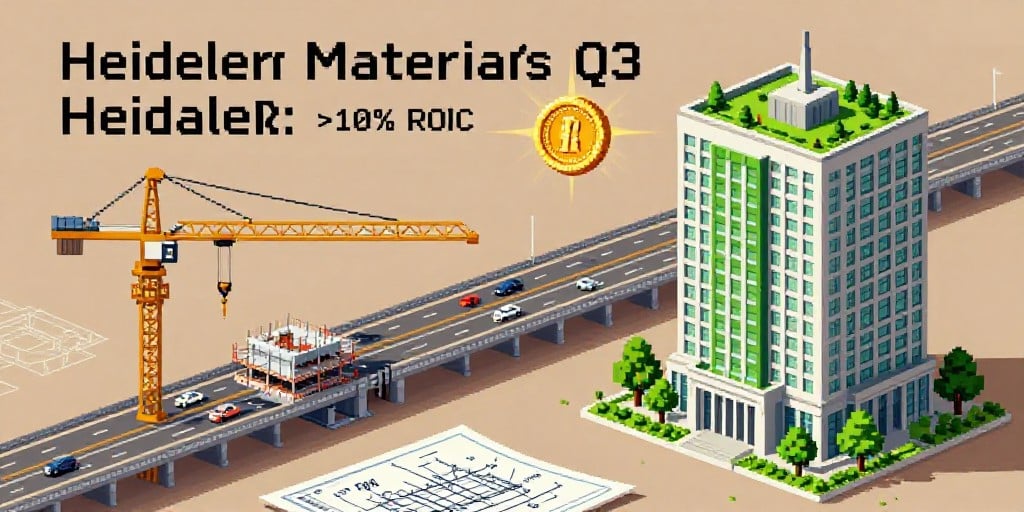
- Construction Materials – A leading firm in this segment reported a substantial share price rise, reflecting both demand recovery and lower input costs.
- Chemicals and Pharmaceuticals – Major groups in these traditionally cyclical sectors experienced positive movement, buoyed by lower energy expenses and improving global economic conditions.
These developments illustrate a broader trend wherein cyclical industries are reaping the benefits of a lower‑cost energy environment and a rebound in international demand.
Market Correction and External Influences
Later in the day, the DAX retraced, largely in response to a decline in U.S. technology shares. This pullback highlighted lingering doubts about the sustainability of the rally, particularly given the domestic economic fragility still present in Germany. Analysts emphasized that German firms are highly internationally exposed, meaning domestic metrics may not fully explain market performance.
Economic Indicators
Recent data from the end of September reveal:
- Industrial Output – Modest growth, suggesting a partial rebound in manufacturing activity.
- Quarterly Composite Index – A slight decline, underscoring uneven recovery dynamics across sectors.
- Chamber of Commerce Outlook – While the German Chamber of Commerce has revised its growth forecast upward, it cautions that private investment remains subdued.
Outlook
Market participants are closely monitoring whether continued reductions in energy prices and easing inflation will translate into sustained corporate earnings growth and a broader economic improvement. The trajectory of the DAX will likely hinge on the effectiveness of these macro‑economic conditions in fostering a lasting recovery for German and European industries.