
Corporate News Analysis: Restaurant Brands International’s Strategic Pivot
Restaurant Brands International (RBI) has recently unveiled a series of initiatives that signal a deliberate shift toward digital integration, supply‑chain optimization, and strategic consolidation within its franchise portfolio. These developments, announced in the latest earnings briefing, reflect broader societal currents—shifting consumer habits, evolving demographic spending, and the rise of experiential dining—that are reshaping the consumer‑facing sector.
Digital Ordering as a Catalyst for Growth
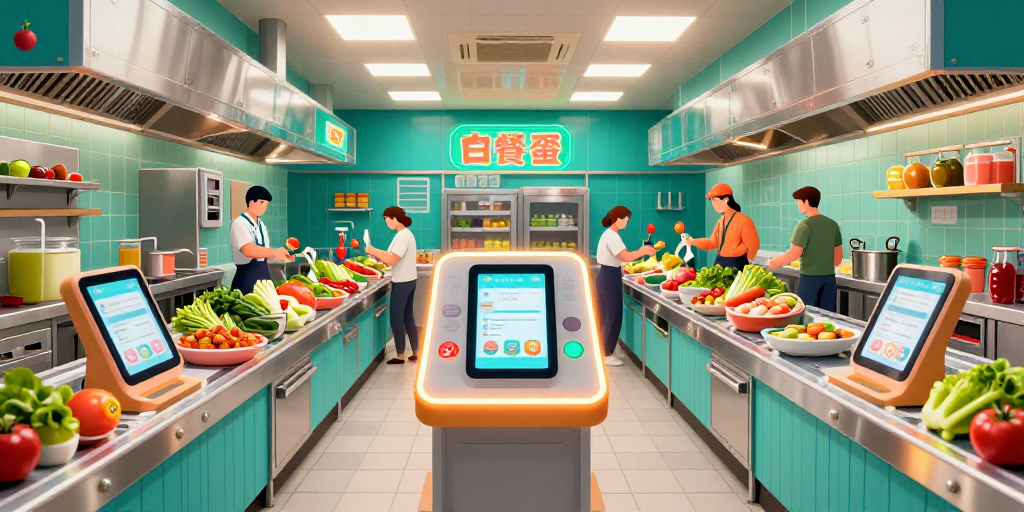
RBI’s commitment to bolstering mobile and online platforms aligns with the continued acceleration of the “digital‑first” mindset among Generation Z and millennial shoppers. Survey data from 2024 indicate that 62 % of U.S. consumers aged 18‑34 now prefer ordering through a brand’s app rather than visiting a storefront. By enhancing user experience—streamlined menus, personalized offers, and real‑time delivery tracking—RBI can capture higher average order values and reduce friction that often deters repeat purchases.
From a market‑opportunity perspective, this digital expansion is not merely a cost‑saving measure; it opens a new revenue stream through data analytics. Rich customer insights enable targeted promotions, dynamic pricing, and predictive inventory management, all of which can improve margin compression caused by volatile commodity prices.
Bridging Physical Retail and Virtual Engagement
While the shift toward digital ordering is pronounced, RBI’s emphasis on increasing footfall at flagship restaurants underscores a nuanced understanding of experiential consumption. The resurgence of “shopper‑experience” retail—wherein consumers value the sensory aspects of dining—has been amplified by a post‑pandemic desire for social interaction and authentic brand encounters. Seasonal promotions and localized marketing initiatives, highlighted by management, are designed to leverage this trend, turning the physical outlet into a destination rather than a transactional point.
The coexistence of robust digital channels with an engaging in‑store experience exemplifies the hybrid model that modern consumers now expect. Retailers who succeed in blending these touchpoints will likely see higher customer lifetime value, as the convenience of ordering online is complemented by the emotional payoff of a well‑curated dining atmosphere.
Consolidation Amid Rising Commodity Costs
RBI’s potential transaction involving a distressed regional fast‑food franchise illustrates the sector’s consolidation momentum. The nominal sale price is a red flag, yet the implied assumption of liabilities underscores the financial fragility of many smaller players. For larger chains like RBI, acquiring underperforming assets at discounted valuations can offer strategic advantages: access to new markets, expanded supplier networks, and an opportunity to implement cost‑efficiency measures across an enlarged portfolio.
From a demographic standpoint, younger consumers increasingly favor brands that offer consistency, affordability, and rapid service—all attributes that larger, financially stable chains can deliver more reliably than smaller, financially distressed operators.
Forward‑Looking Market Outlook
Generational Spending Patterns The current cohort of 18‑34‑year‑olds continues to prioritize convenience and personalization. Brands that invest in AI‑driven recommendation engines and loyalty programs tailored to this demographic are poised to capture a larger share of the $500 billion quick‑service market projected for 2027.
Supply‑Chain Resilience RBI’s focus on streamlining the supply‑chain network will likely yield measurable cost reductions. By integrating blockchain traceability and leveraging regional sourcing hubs, the company can mitigate price volatility while appealing to health‑conscious consumers who value transparency.
Experiential Differentiation Physical stores that transform into community hubs—offering in‑house events, local collaborations, and immersive branding—will differentiate themselves in a crowded marketplace. This approach aligns with the “experience economy” trend, where consumers are willing to pay a premium for curated, socially engaging environments.
Digital‑Physical Synergy The synergy between online and offline channels will become the standard for competitive advantage. As data ecosystems mature, predictive analytics will guide inventory decisions, reducing waste and aligning supply with real‑time demand spikes—particularly during seasonal promotions that drive footfall.
Conclusion
Restaurant Brands International’s recent disclosures highlight a strategic recalibration that is both responsive to current consumer trends and proactive in addressing future market dynamics. By fortifying digital ordering capabilities, refining supply‑chain operations, and pursuing calculated acquisitions, RBI positions itself to capitalize on the evolving intersection of technology and experiential retail. This multifaceted approach not only meets the immediate demands of cost pressures and consumer expectations but also establishes a robust foundation for sustained growth in an increasingly digitized and experience‑centric marketplace.