Corporate Report: T‑Mobile US Inc. Q3 2026 Performance
T‑Mobile US Inc. delivered a robust financial performance during the third quarter of fiscal 2026, as disclosed at the company’s financial conference on 28 October 2026. The carrier reported earnings‑per‑share that surpassed the figure posted in the same quarter of the prior year, and its nine‑month revenue increased by more than 20 percent relative to the comparable period a year earlier.
Revenue Growth and Subscriber Dynamics
The revenue surge was driven primarily by continued growth in the subscriber base and a sustained expansion of network investment. T‑Mobile’s management emphasized that subscriber acquisition remains on a steady upward trajectory, reflecting successful execution of its retail and wholesale strategies. Network deployment, particularly in 5G, has been a key lever for revenue growth, with the company allocating substantial capital expenditures to broaden coverage and improve capacity.
Competitive Landscape and Margin Pressures
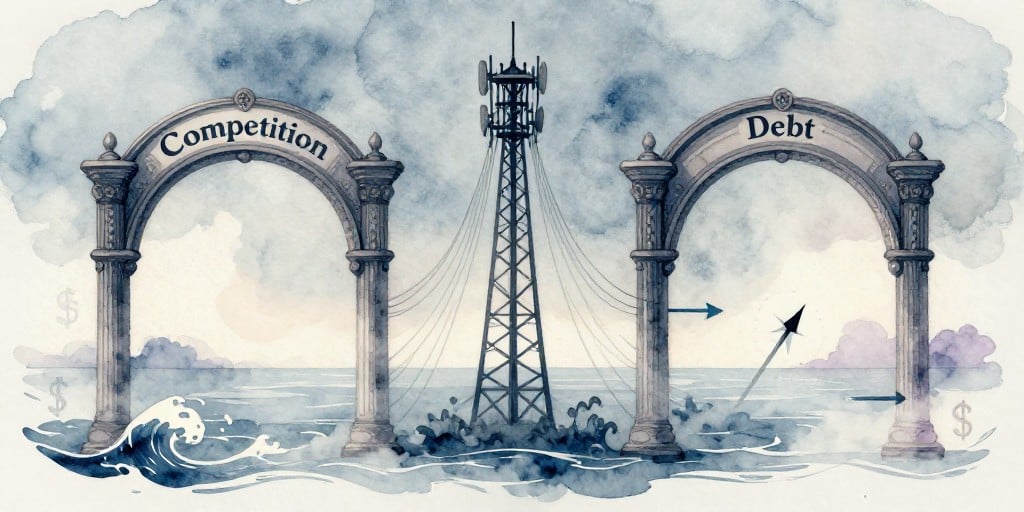
Despite these encouraging metrics, T‑Mobile acknowledged that the United States mobile‑carrier market remains intensely competitive. Rival operators have intensified price‑competition and promotional offers, compressing the carrier’s gross margin. The company’s management reiterated its focus on cost optimisation initiatives—such as spectrum optimisation, network sharing arrangements, and operational efficiencies—to mitigate the impact of margin pressure.
Governance and Ownership Structure
In a filing with the U.S. Securities and Exchange Commission, T‑Mobile disclosed that it continues to be subject to a Schedule‑13D/A amendment, reflecting a material change in its ownership structure. The filing confirms the carrier’s ongoing compliance obligations and the continued involvement of its parent, Deutsche Telekom AG, in monitoring the subsidiary’s share ownership. This regulatory oversight underscores the importance of governance transparency in a multinational telecommunications ecosystem.
Market Context
Across the broader U.S. equities landscape, technology stocks experienced modest declines during the week of the earnings release. Investors reacted cautiously to Alphabet’s recent earnings report, which highlighted slower growth in ad revenue and heightened uncertainty surrounding the pace of artificial‑intelligence (AI) investment. These dynamics have contributed to a broader sentiment of risk‑aversion within the technology sector.
Conversely, European equity indices displayed resilience, with the DAX recovering to levels above 26,000 points. This rebound followed the European Central Bank’s decision to maintain policy rates at a steady level, signalling confidence in the region’s economic outlook. The positive earnings season for many European companies—particularly in the industrial and telecommunications sectors—has bolstered investor sentiment, reflecting a more favourable macro‑environment for cross‑border telecom operations.
Strategic Implications
For T‑Mobile, the confluence of solid revenue growth, a steady subscriber base, and an expanding 5G network positions the company well to capitalize on emerging opportunities in data‑center traffic, enterprise connectivity, and edge‑computing services. Nonetheless, sustaining profitability will require disciplined cost management and continued investment in next‑generation network infrastructure.
The company’s alignment with Deutsche Telekom AG, combined with regulatory oversight via the Schedule‑13D/A framework, ensures that strategic decisions are anchored in rigorous governance practices. In an industry characterised by rapid technological change and regulatory scrutiny, this governance posture is likely to enhance long‑term stakeholder confidence.
Overall, T‑Mobile’s Q3 2026 results underscore the broader trend of telecommunications firms navigating high growth prospects while managing margin compression in an increasingly competitive landscape. The interplay between domestic market dynamics and international regulatory frameworks will continue to shape the carrier’s strategic trajectory in the coming fiscal periods.