Power Assets Holdings Ltd: Navigating the Convergence of Energy and Computing
Power Assets Holdings Ltd (PAHL), a player in the nascent domain of electricity‑compute collaboration, has drawn heightened scrutiny as China accelerates its dual‑carbon agenda and launches the “East‑West Data Flow” initiative. The company’s recent activities are being evaluated against a backdrop of a high‑profile international conference in Shanghai that underscored the strategic significance of integrating advanced computing infrastructure with the national power grid.
Sector Context and Policy Alignment
The Shanghai conference highlighted a clear policy signal: the Chinese government is positioning power‑compute collaboration as a new infrastructure priority. Government reports and strategic plans have explicitly included this convergence in national development frameworks, reflecting an intention to support projects that fuse energy provision with computing demands. This policy environment creates a conducive climate for capital investment, technological advancement, and market expansion within the sector.
Competitive Positioning and Market Dynamics
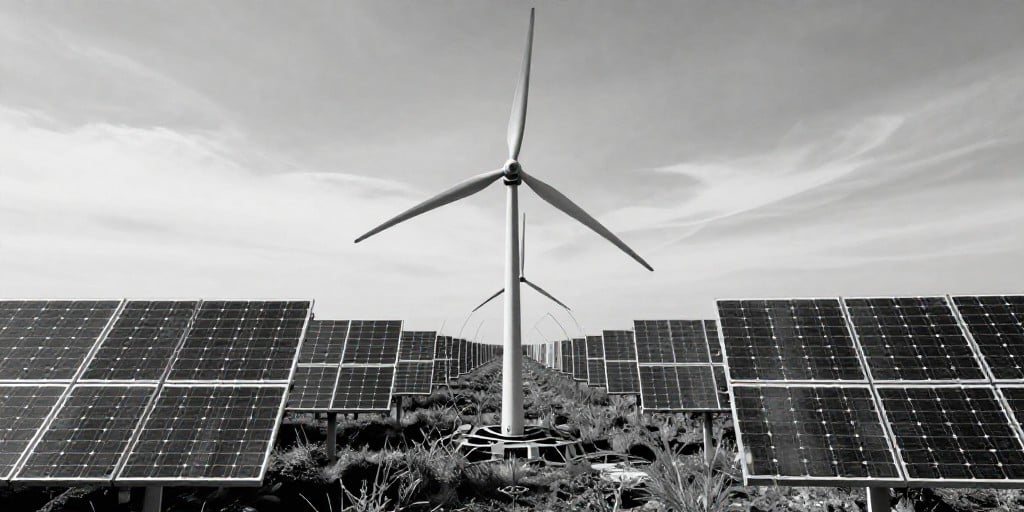
Industry analysts emphasize that PAHL’s positioning in large‑scale photovoltaic (PV) and battery storage projects aligns closely with national objectives to increase renewable capacity and reduce the environmental footprint of data centers. By marrying clean energy generation with data center operations, the firm taps into a dual‑benefit model: delivering stable power while enabling high‑performance computing (HPC) workloads that require substantial, reliable energy inputs.
The integration of renewable generation and storage with data center infrastructure offers several competitive advantages:
| Advantage | Description |
|---|---|
| Energy Cost Stabilization | On‑site renewable generation reduces reliance on grid purchases, mitigating exposure to volatile electricity prices. |
| Carbon Footprint Reduction | Aligns with China’s dual‑carbon targets, positioning PAHL favorably for green financing and regulatory incentives. |
| Operational Reliability | Battery storage buffers supply intermittency, enhancing uptime for critical HPC workloads. |
| Strategic Partnerships | Enables collaborations with technology firms seeking sustainable power sources for their data centers. |
These factors collectively support a projected expansion in the sector’s capital base and annual growth rates, as investment flows toward integrated power‑compute projects.
Financial Performance and Outlook
PAHL’s financial statements for the first half of the year indicate a modest but steady improvement in profitability metrics. While the company’s revenue growth remains moderate, the strategic shift toward energy‑computing integration is expected to yield long‑term gains. Analysts forecast that as the industry matures, PAHL’s diversified asset base—spanning PV plants, battery storage facilities, and data center support services—will bolster its resilience against sector‑specific shocks.
Key financial highlights:
- Revenue Growth (H1): +4% YoY
- Operating Margin: 12.7%
- EBITDA: RMB 1.2 billion
- Capital Expenditure: RMB 1.5 billion, primarily allocated to PV and battery projects
Projected earnings for the remaining fiscal year hinge on continued policy support and the execution of planned expansion projects. Should the Chinese government sustain its emphasis on power‑compute collaboration, PAHL’s revenue trajectory is anticipated to accelerate in line with broader sector growth.
Strategic Implications and Broader Economic Trends
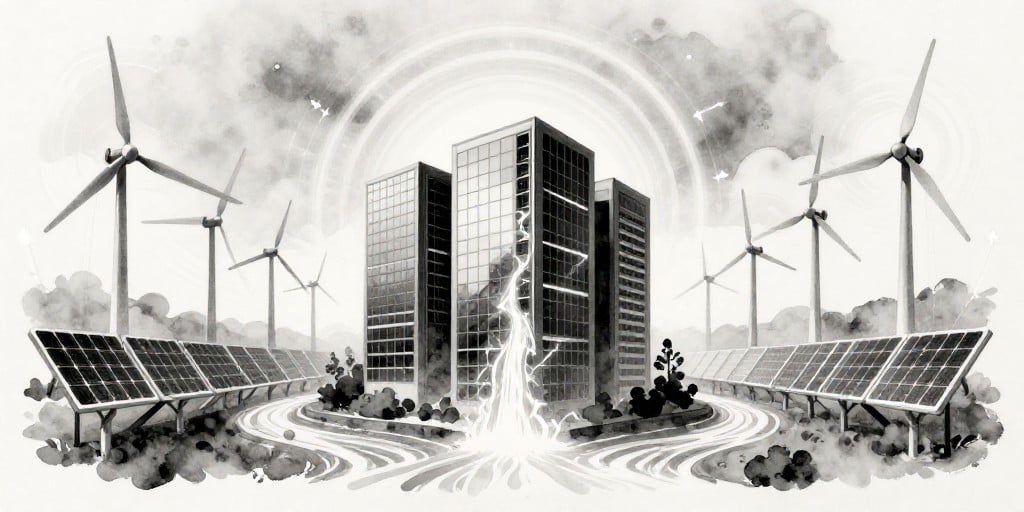
PAHL’s activities exemplify the emerging synergy between renewable energy deployment and advanced computing infrastructure—an intersection that transcends traditional industry boundaries. As data centers demand ever-increasing computational power, the concomitant energy requirements are reshaping the energy sector, compelling utilities to explore innovative delivery models.
This convergence has wider economic implications:
- Energy Sector Decarbonization: By integrating renewable generation into data center power supply, the industry can achieve significant reductions in carbon intensity.
- Digital Economy Acceleration: Reliable, low‑cost power for HPC facilities supports China’s ambition to become a global leader in artificial intelligence, cloud computing, and high‑performance research.
- Infrastructure Modernization: The development of hybrid power‑compute plants drives investment in smart grid technologies, battery R&D, and grid‑integration solutions.
In sum, Power Assets Holdings Ltd’s strategic focus on marrying renewable energy assets with computing services positions it advantageously within China’s evolving energy‑technology landscape. The company’s trajectory reflects a broader trend toward integrated infrastructure that serves both environmental goals and the escalating demands of the digital economy.