
Corporate News Analysis: Power Assets Holdings Ltd – Strategic Positioning in a Dynamic Renewable Energy Landscape
Power Assets Holdings Ltd (PAHL), a Hong Kong‑listed developer and operator of renewable‑energy assets, continues to attract the attention of investors and analysts as the company expands its wind and solar portfolio across China and Southeast Asia. The firm’s recent disclosures highlight progress on several large‑scale projects, an emphasis on operational efficiencies, and a strategy that leans heavily on joint‑venture partnerships with local developers.
Portfolio Expansion and Project Pipeline
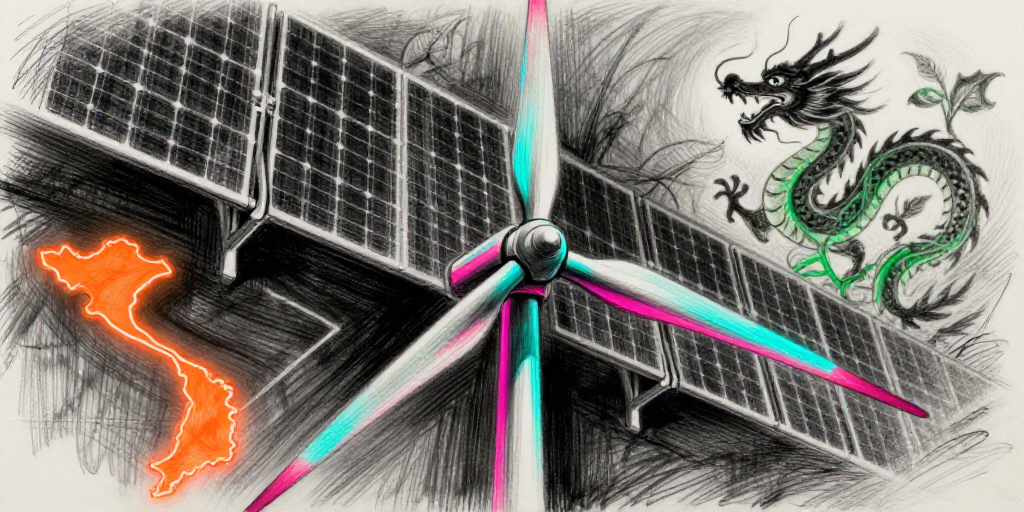
PAHL’s latest quarterly update details the construction of multiple wind farms in the Yangtze River Delta and the commissioning of a 600 MW solar complex in Vietnam. These developments not only augment the company’s asset base but also diversify its geographic footprint, mitigating the concentration risk that has historically plagued renewable‑energy operators in emerging markets. The pipeline, which includes a 400 MW offshore wind project in the South China Sea, positions PAHL to tap into regional clean‑energy mandates that are becoming increasingly stringent, particularly in the wake of the Paris Agreement’s implementation schedule.
Operational Efficiency and Cost Management
Management’s focus on enhancing maintenance processes and streamlining supply‑chain operations is reflected in a reported 4.2 % reduction in OPEX for the first half of the fiscal year. By adopting predictive‑maintenance analytics and negotiating long‑term procurement contracts, PAHL seeks to stabilize its cost base amid volatile commodity prices—a concern that has affected peers in both the solar and wind sectors. This disciplined cost approach aligns with broader industry trends where firms leverage digital twins and IoT‑driven monitoring to preempt equipment failures and minimize downtime.
Investor Sentiment and Market Volatility
Despite the company’s solid fundamentals, share‑price movements have remained muted, echoing a cautious stance among investors. Analysts attribute this tempered sentiment to macroeconomic uncertainties—rising interest rates, currency fluctuations, and geopolitical tensions in the Indo‑Pacific region. Additionally, sector‑specific risks such as regulatory changes in China’s renewable‑energy quota system and evolving tax incentives in Southeast Asia contribute to short‑term price volatility. Nevertheless, the firm’s robust balance sheet, characterized by a strong liquidity ratio and manageable debt levels, reassures investors that it possesses the financial flexibility to navigate these headwinds.
Strategic Partnerships and Long‑Term Revenue Streams
PAHL’s partnership model, particularly its joint‑ventures with local developers, is viewed as a critical lever for sustaining growth. These collaborations enable the company to access local expertise, secure land‑lease agreements more efficiently, and accelerate project approvals. By sharing equity stakes and aligning incentives with host‑country stakeholders, PAHL reduces political‑risk exposure and bolsters community support—a factor increasingly crucial for maintaining operational licences amid tightening environmental compliance regimes.
Regulatory Landscape and Compliance
Regulatory developments remain a pivotal factor influencing PAHL’s operational strategy. In China, the shift toward “green credit” frameworks and stricter environmental impact assessments underscores the necessity for continuous compliance monitoring. Similarly, in Southeast Asia, the introduction of carbon‑pricing mechanisms and renewable‑energy subsidies mandates rigorous environmental reporting. PAHL’s proactive approach—embodied in its investment in ESG analytics and stakeholder engagement initiatives—positions the company favorably to secure future licences and attract sustainable‑investment capital.
Macro‑Economic Drivers and Cross‑Sector Implications
The increasing demand for clean‑energy infrastructure in emerging markets is underpinned by macro‑economic drivers such as rising disposable incomes, urbanisation, and a global shift toward decarbonisation. These dynamics not only benefit renewable‑energy firms like PAHL but also have spill‑over effects on related sectors—e.g., battery storage manufacturers, grid‑operator technologies, and semiconductor suppliers for smart‑grid solutions. By aligning its project portfolio with these broader trends, PAHL indirectly supports the growth of ancillary industries, creating a virtuous cycle that can enhance shareholder value.
Conclusion
Power Assets Holdings Ltd is strategically positioned to capitalize on the growing clean‑energy demand in emerging markets while managing the challenges posed by regulatory evolution and competitive investment pressures. The company’s emphasis on operational efficiency, judicious partnership structures, and a disciplined financial approach provides a solid foundation for long‑term growth. As global macro‑economic trends continue to favour renewable‑energy expansion, PAHL’s trajectory will likely remain a focal point for investors seeking exposure to the transition‑era energy sector.