European Markets, Digital‑Physical Retail Dynamics, and Shifting Consumer Demographics
The European equity market closed the day with a modest decline, with the pan‑regional Stoxx 600, Germany’s DAX and France’s CAC 40 each slipping roughly 0.1 %. The downturn was largely attributable to a fall in technology shares, as concerns over the long‑term viability of the artificial‑intelligence boom and increasing rivalry from Chinese memory‑chip manufacturers weighed on investor sentiment. Within the luxury sector, LVMH’s shares slipped, reflecting weaker demand in China that tempered the group’s third‑quarter results. The conglomerate’s fashion and leather‑goods division reported a modest decline, whereas its jewellery and wine divisions posted gains.
Conversely, Swiss‑based Givaudan’s stock rose sharply after announcing third‑quarter results that exceeded expectations, driven by robust sales growth in its core fragrance and flavour businesses. The positive performance of Givaudan helped support a modest uptick in other Swiss stocks, although the overall market trend remained subdued.
Digital‑Physical Synergy and the Future of Retail
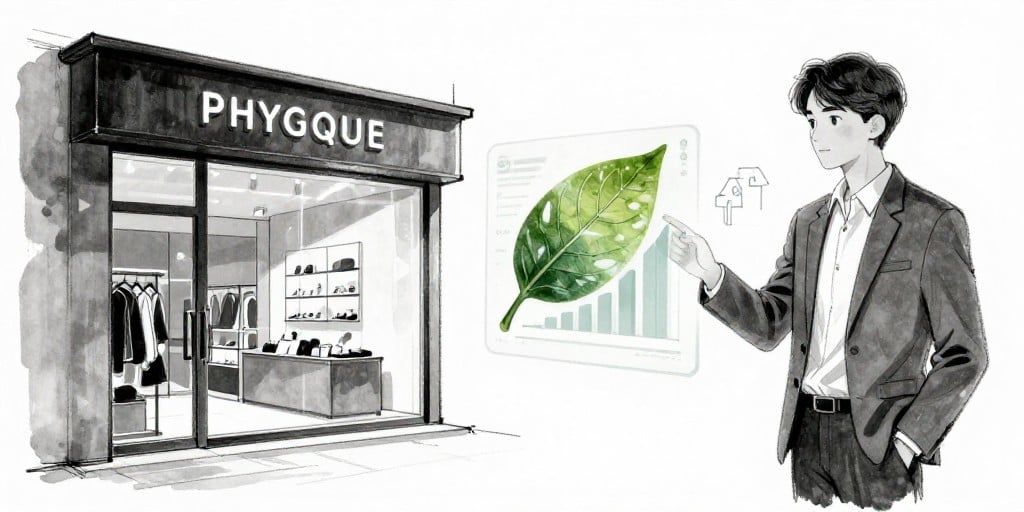
The mixed performance across sectors underscores a broader narrative: the convergence of digital innovation and physical retail is reshaping consumer experiences. While e‑commerce has accelerated, data indicate that consumers increasingly value in‑store encounters that blend tactile engagement with digital convenience—“phygital” experiences. Retailers that invest in augmented reality try‑on tools, real‑time inventory visibility, and seamless omni‑channel logistics can capture the spending of both Gen Z and Millennials, who prioritize authenticity and speed.
The luxury segment illustrates this tension. LVMH’s recent dip reflects a slowdown in China, a market that has traditionally been a growth engine for high‑end goods. Yet, the group’s continued strength in the United States signals an opportunity: American consumers, particularly younger buyers, are gravitating toward experiential luxury—boutiques that offer personalized consultations, limited‑edition collaborations, and digital concierge services. By leveraging data analytics to tailor product recommendations and inventory, luxury brands can deepen customer loyalty while mitigating the impact of macro‑economic headwinds.
Generational Spending Patterns and Lifestyle Shifts
The post‑pandemic generation, defined broadly as Millennials and Gen Z, exhibits distinct spending priorities: sustainability, wellness, and social impact. These values are reflected in rising demand for ethically sourced products, plant‑based offerings, and transparent supply chains. Companies that integrate these principles into their brand narratives—whether through sustainable packaging, circular product models, or community‑driven initiatives—stand to benefit from the heightened willingness of younger consumers to pay a premium for purpose‑driven goods.
Moreover, the pandemic has entrenched remote work and hybrid lifestyles, compressing the traditional retail footprint. Brick‑and‑mortar stores are now more focused on community hubs, offering experiences that cannot be replicated online. This shift compels retailers to rethink store layouts, incorporating flexible spaces for pop‑up events, product workshops, and real‑time digital integration. The resultant hybrid model aligns with the expectations of a generation that values both convenience and community.
Cultural Movements as Market Catalysts
Cultural trends—such as the resurgence of “slow fashion,” the growing popularity of experiential travel, and the increasing appetite for localised artisanal products—serve as powerful drivers for consumer spending. These movements create niches that can be monetised through targeted product lines, collaborations, and storytelling. For example, a heritage fashion house could launch a limited‑edition line inspired by traditional crafts from a specific region, pairing it with a digital campaign that highlights the artisans’ stories. Such initiatives resonate with consumers seeking authenticity, thereby enhancing brand equity and opening new revenue streams.
Similarly, the food and beverage sector’s pivot toward “superfoods” and functional ingredients, as seen in Givaudan’s fragrance and flavour growth, signals a broader health‑conscious trend. Brands that innovate within this space—developing products that combine taste with wellness benefits—can capture both the premium segment and the mass market, especially as consumers become more discerning about ingredient provenance and nutritional value.
Macro‑Economic Context and Investor Sentiment
The broader market context—characterised by cautious stances on high‑growth sectors, higher bond yields, and geopolitical uncertainties—has prompted investors to re‑evaluate the risk‑return profile of tech and luxury stocks. Nonetheless, fundamentals remain critical: companies with resilient balance sheets, diversified revenue streams, and a clear digital strategy are better positioned to weather volatility. For instance, Givaudan’s strong earnings demonstrate how a focus on core competencies, coupled with strategic innovation, can sustain growth even in a subdued market environment.
Forward‑Looking Analysis and Market Opportunities
Phygital Retail Expansion: Retailers that invest in augmented reality, AI‑driven personalization, and omni‑channel logistics will capture the spending power of Gen Z and Millennials. These technologies enable immersive in‑store experiences that drive footfall and enhance customer lifetime value.
Sustainability‑Led Product Lines: Companies that incorporate circularity, ethical sourcing, and transparent supply chains into their product development can tap into the premium market segment that values social and environmental impact. Partnerships with local artisans and community‑driven projects can further differentiate brands.
Health‑Centric Innovation: The ongoing demand for functional ingredients offers opportunities for fragrance and flavour suppliers to collaborate with food and beverage companies. Products that combine sensory appeal with health benefits can command higher margins.
Digital Luxury Experiences: Luxury brands must continue to integrate digital tools—such as virtual showrooms and blockchain provenance verification—to satisfy tech‑savvy consumers while preserving the exclusivity of the brand.
Localized Market Strategies: With China’s demand weakening, brands should diversify geographically, focusing on markets where consumer confidence remains robust. Tailoring marketing campaigns to local cultural narratives enhances relevance and drives growth.
In conclusion, the interplay of digital transformation and physical retail, coupled with evolving generational priorities and cultural movements, is creating a dynamic landscape for consumer businesses. Firms that adeptly weave technology, sustainability, and experiential storytelling into their strategies will unlock new growth avenues and solidify their positions in an increasingly complex global market.