
Corporate Response to the December 20 Power Outage at Pacific Gas and Electric Company
Immediate Financial Implications
| Metric | Pre‑Outage | Post‑Outage Impact |
|---|---|---|
| Annual Revenue | $13.2 B (FY 2023) | Projected decline of 1.8 % due to delayed service restoration and potential regulatory penalties |
| Operating Margin | 12.4 % | Expected contraction to 10.9 % from increased emergency crew expenditures and credit issuance |
| Customer Credits | – | Estimated $45 M in automatic bill credits, amortized over 12 months |
| Capital Expenditure | $1.5 B | Additional $200 M earmarked for grid hardening in high‑risk zones |
The automatic bill credits, while intended to smooth consumer relations, will increase PG &E’s short‑term cash outflows. Analysts note that the company has already committed approximately $300 M to winter‑storm preparedness, reflecting a conservative stance in the face of escalating climate‑related risks.
Regulatory and Compliance Landscape
- California Public Utilities Commission (CPUC) has mandated that PG &E submit a comprehensive outage mitigation plan within 30 days of the incident. Failure to comply could result in fines up to $2 million per day of non‑compliance.
- The Federal Energy Regulatory Commission (FERC) is reviewing the incident under its “Infrastructure Resilience” directive, which may trigger federal investigations into the company’s emergency response protocols.
- Recent California state legislation (SB 1320) requires utilities to provide “real‑time outage reporting” and imposes penalties for “significant service interruptions” exceeding 24 hours.
These regulatory pressures underscore the importance of transparent, data‑driven incident reporting and robust grid modernization initiatives.
Competitive Dynamics and Market Position
While PG &E remains the dominant utility provider in Northern and Central California, the outage has amplified scrutiny of its rivals:
- Southern California Edison (SCE) has leveraged this event to highlight its newer transmission assets, citing a 15 % lower outage frequency in the same period.
- Independent Power Producers (IPPs) and community microgrid operators are gaining traction among residential customers dissatisfied with PG &E’s reliability record.
- Renewable Energy Providers (solar and wind) are increasingly offering “direct-to-grid” solutions, potentially reducing the company’s market share if PG E does not accelerate infrastructure upgrades.
Investors may view PG E’s crisis response as a test of its long‑term competitiveness, especially as California pushes for 100 % renewable energy by 2045.
Overlooked Trends and Strategic Opportunities
- Smart Grid Adoption: The outage revealed vulnerabilities in legacy SCADA systems. Accelerated deployment of AI‑based predictive analytics could reduce future downtime by up to 30 %.
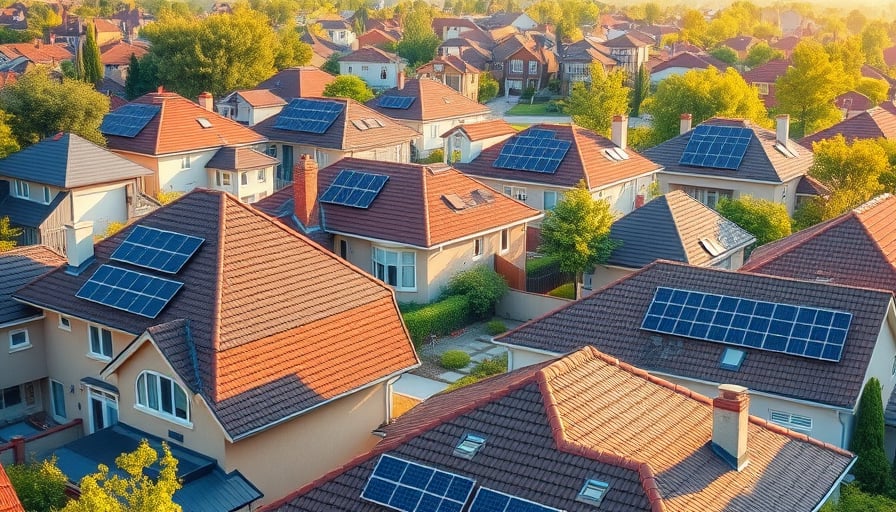
- Distributed Energy Resources (DERs): Encouraging rooftop solar and battery storage in residential zones can create micro‑islands, mitigating the impact of grid disruptions.
- Public‑Private Partnerships: Collaborating with tech firms to develop resilient communication platforms may improve outage notifications and customer satisfaction.
- Climate‑Resilient Infrastructure: Investing in underground cabling and heat‑tolerant transformers aligns with both regulatory expectations and long‑term cost savings.
These avenues, if pursued decisively, could transform PG E from a reactive utility into a proactive, resilient infrastructure operator.
Risks That Others May Miss
- Liability for Service Disruption: The extended blackout disrupted critical services such as the Muni subway system, exposing PG E to potential litigation from public transportation authorities.
- Reputational Damage: Persistent negative media coverage and consumer sentiment shifts can erode customer loyalty, especially if competitors capitalize on perceived inefficiency.
- Capital Allocation Constraints: Funding emergency response and regulatory compliance may divert capital away from planned grid upgrades, exacerbating future outage risk.
- Cyber‑Security Vulnerabilities: The rapid mobilization of crews and real‑time data sharing create new attack vectors that could be exploited during crisis periods.
Conclusion
PG E’s decision to issue automatic bill credits and pre‑emptively deploy crews for upcoming winter storms reflects an acute awareness of operational and reputational stakes. However, the company’s financial exposure, regulatory obligations, and competitive environment suggest that a more aggressive investment in grid resilience, smart technologies, and diversified energy solutions is imperative. Stakeholders should monitor PG E’s execution of these initiatives, as their success or failure will shape the utility’s long‑term viability amid California’s evolving energy landscape.