
Corporate Update: PG E Completes Cash Tender Offers for Senior Notes and Mortgage Bonds
Pacific Gas and Electric Company (PG E) has confirmed the completion of its cash tender offers for its 3.30 % Senior Notes due December 2027 and 2.10 % First Mortgage Bonds due August 2027. The aggregate principal tendered will not exceed the maximum purchase threshold of $1.2 billion, as stipulated in the original offer.
The tender process required registered bondholders to submit valid offers by 5:00 p.m. on 31 July 2026, with settlement scheduled for 4 August 2026. PG E indicated that it will accept the full amount of senior notes and a proportion of the mortgage bonds, with proration applied to the latter in accordance with the acceptance priority levels outlined in the offer.
Each bond tranche’s consideration is determined by a fixed spread above the yield to maturity of the corresponding U.S. Treasury securities, and payment will include accrued and unpaid interest up to the settlement date. PG E reiterated that the tender offers are subject to a financing condition, and final acceptance amounts may vary until the closing of the transaction.
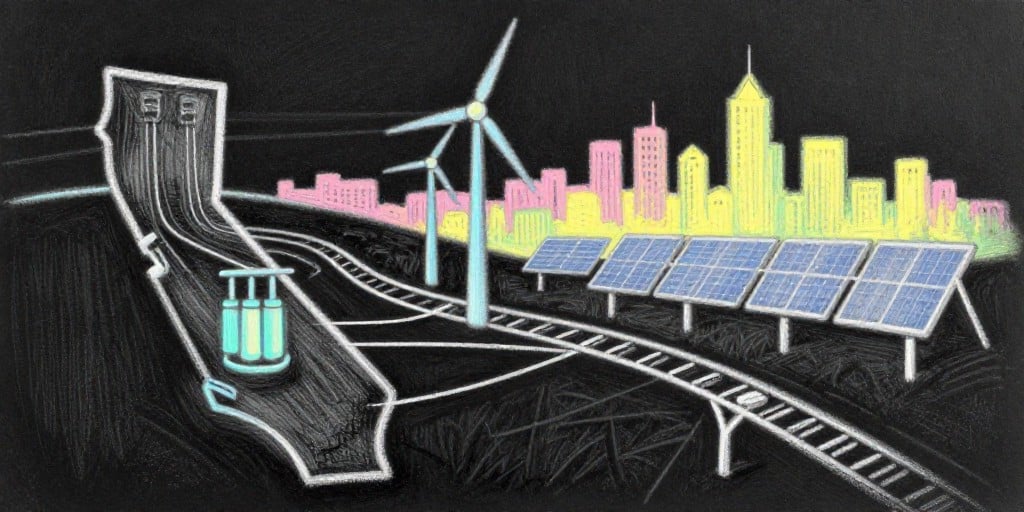
While the announcement focuses on the financial mechanics of the bond repurchase, it also underscores broader themes critical to PG E’s role in California’s evolving power ecosystem—namely, grid stability, renewable energy integration, and the infrastructure investment required to support the transition.
Grid Stability in a Decentralized Landscape
PG E’s capital allocation decisions directly influence its ability to maintain reliability as distributed generation, electric vehicles, and micro‑grids proliferate. The company’s investment in high‑capacity transmission corridors and grid‑automation platforms is essential for mitigating voltage instability and managing bidirectional power flows.
Advanced wide‑area monitoring, protection, and control (WAMPAC) systems, coupled with real‑time data analytics, enable PG E to detect and isolate faults within milliseconds, reducing the likelihood of cascading outages. By deploying phasor measurement units (PMUs) across critical substations, PG E can observe synchronism and coherency across the network, facilitating proactive re‑dispatch of generation resources in response to fluctuating renewable output.
Renewable Integration Challenges
California’s aggressive renewable portfolio standards compel utilities to absorb high shares of variable wind and solar generation. This variability introduces frequency and inertia deficits that can jeopardize system security. PG E is exploring several engineering solutions:
- Synthetic Inertia via Power Electronics – Grid‑interfaced inverters equipped with control algorithms can emulate inertia, providing rapid frequency support during disturbances.
- Energy‑Storage Integration – Battery energy storage systems (BESS) and pumped‑hydro facilities are being strategically sited to offer short‑term ramping and longer‑term load‑matching services.
- Dynamic Line Rating (DLR) – By continuously monitoring temperature and weather conditions, PG E can increase transmission limits when conditions permit, thus accommodating higher renewable penetration without new line construction.
The economic implications of these technologies are significant. While upfront capital expenditures are substantial, the avoided costs of blackouts and the potential for reduced demand‑side tariffs justify the investment. Regulatory frameworks are evolving to accommodate these innovations through revised rate‑setting methodologies that recognize the value of ancillary services provided by renewable and storage resources.
Infrastructure Investment Requirements
PG E’s modernization agenda involves multi‑year capital plans that exceed $40 billion over the next decade. Key components include:
- Upgrading Substation Apparatus: Replacing legacy transformers with high‑efficiency, high‑voltage units to reduce losses and extend asset lifespan.
- Smart Grid Deployment: Implementing advanced metering infrastructure (AMI) and demand response programs to align consumption with generation capacity.
- Resilience Enhancements: Reinforcing transmission lines against extreme weather events, and installing fault‑tolerant protection schemes to minimize outage duration.
These investments are financed through a combination of rate‑based revenue mechanisms and debt issuances such as the recently tendered bonds. The company’s decision to retire senior notes and mortgage bonds reflects an effort to lower debt servicing costs, thereby freeing capital for infrastructure upgrades.
Regulatory Frameworks and Rate Structures
California’s public utility commission (CPUC) imposes stringent oversight on rate design, ensuring that consumers bear a fair share of modernization costs while maintaining economic incentives for renewable integration. PG E must navigate:
- Capital Recovery Allowances: These provisions permit utilities to recover costs of new assets through rate adjustments, but they require rigorous justification and rate‑payer impact studies.
- Renewable Energy Credits (RECs): PG E must balance the cost of procuring RECs against the benefits of meeting state mandates, influencing long‑term tariff structures.
- Time‑of‑Use (TOU) Pricing: By encouraging load shifting, TOU rates help align demand with renewable supply peaks, reducing the need for expensive peaking plants.
The recent bond tender offers provide PG E with financial flexibility that could support more aggressive rate‑payer‑friendly initiatives, such as rebates for distributed energy resources or incentives for electric vehicle charging infrastructure.
Economic Impacts of Utility Modernization
From a macroeconomic perspective, utility modernization translates into:
- Job Creation: Construction, installation, and maintenance of grid assets generate employment across multiple skill levels.
- Consumer Cost Implications: While infrastructure investments can elevate rates in the short term, they also improve reliability and facilitate lower-cost renewable energy, which can stabilize or even reduce long‑term costs.
- Systemic Risk Reduction: A more resilient grid mitigates the economic losses associated with large‑scale outages, protecting both businesses and households.
Engineering analyses show that incremental capital investment per megawatt‑hour of reliable capacity has plateaued, indicating a diminishing marginal cost for reliability enhancements. This suggests that PG E’s current strategy—retiring high‑interest debt to lower overall borrowing costs—positions the company to allocate resources more efficiently toward high‑impact projects.
Conclusion
PG E’s completion of the cash tender offers for its senior notes and mortgage bonds is more than a fiscal maneuver; it is a strategic realignment that frees capital to confront the engineering and economic challenges of modern power systems. By enhancing grid stability, integrating variable renewables, and investing in critical infrastructure, the utility is poised to meet California’s stringent environmental goals while safeguarding consumer interests and promoting a resilient, sustainable energy future.