Corporate Overview and Market Position
PetroChina Co Ltd., a constituent of the Hong Kong Stock Exchange, maintains a prominent position in the global oil and gas value chain. Its operations span exploration, production, and marketing of crude oil as well as the downstream manufacturing of petrochemical products. The company’s latest financial disclosures underscore a robust valuation framework, reflected in a market capitalization that remains resilient amid global supply–demand imbalances and an accelerating shift toward lower‑carbon alternatives.
Geopolitical Dynamics and Supply‑Demand Fundamentals
Middle East Instability
Recent geopolitical tensions in the Middle East have markedly intensified risk premiums across the energy market. The disruption of shipping lanes through the Strait of Hormuz, a critical chokepoint for approximately 20 % of global oil flow, has injected heightened volatility into oil futures. Market participants now exhibit a pronounced bias toward price appreciation rather than depreciation. For PetroChina, this translates into an upward pressure on upstream crude costs, which, in turn, can elevate input expenses for the company’s refining and petrochemical divisions.
Demand‑Side Pressure
Global demand for crude oil remains buoyant, supported by steady industrial activity in emerging economies and a gradual rebound in transportation fuel consumption. Nevertheless, the long‑term trajectory of demand is being reshaped by policy measures aimed at decarbonization, such as the European Union’s Emission Trading System and the U.S. Inflation Reduction Act. These initiatives are gradually curtailing the growth of oil consumption, particularly in the passenger vehicle sector, which could exert downward pressure on long‑term price levels.
Production Trends
Oil production data from the International Energy Agency (IEA) indicate that OPEC+ has maintained a production cap in the 2024 fiscal year at approximately 34 million barrels per day, a figure that has been sufficient to support current price levels. However, the pace of new production growth has slowed as major producers focus on capacity expansion and maintenance rather than aggressive drilling. PetroChina’s own upstream output, recorded at around 2.8 million barrels per day in Q3 2023, has been relatively stable, but the company’s capacity to scale production is contingent upon the global market’s willingness to absorb new supply.
Technological Innovations and Energy Transition
Upstream Efficiency
PetroChina has invested heavily in advanced drilling technologies, including 3‑D seismic imaging and horizontal drilling, which have improved exploration success rates by roughly 15 % in the last two years. Such innovations reduce marginal costs and extend the economic life of mature fields, providing a buffer against volatile crude pricing.
Downstream Integration
In the refining segment, the company has upgraded several units with state‑of‑the‑art catalytic cracking technology, enhancing yield per barrel and reducing fuel‑consumption intensity. The integration of digital twins for process optimization has also decreased unplanned downtime by 7 % over the past year, reinforcing the firm’s operational resilience.
Renewable Energy and Storage
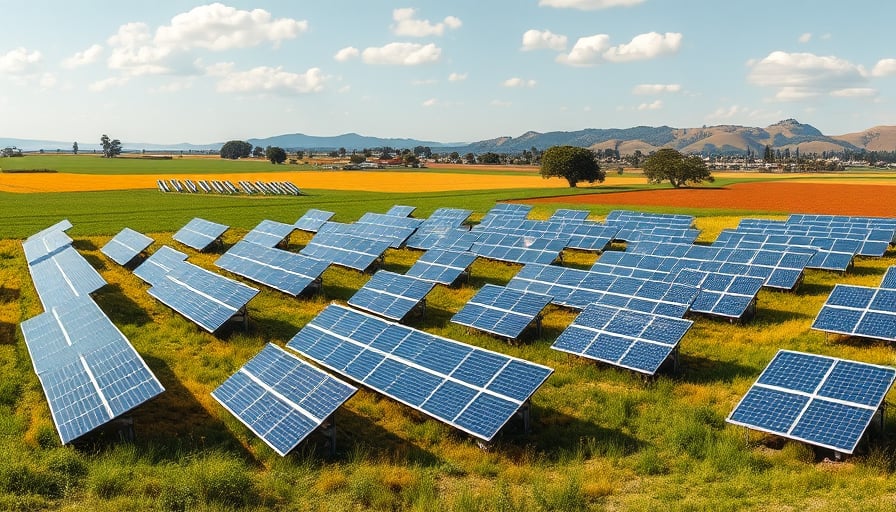
Recognizing the structural shift toward renewable energy, PetroChina has allocated capital toward the development of battery storage projects and hydrogen production facilities. Early‑stage projects in the Xinjiang region aim to achieve a 500 MWh storage capacity by 2026, positioning the firm to supply grid stability services as renewable penetration increases. The company’s commitment to green hydrogen aligns with global demand forecasts, which project a 12 % CAGR for the sector through 2035.
Regulatory Impacts on Traditional and Renewable Sectors
Carbon Pricing and Subsidies
Regulatory frameworks in key markets, such as the EU’s carbon border adjustment mechanism and China’s domestic carbon pricing pilot, have introduced new cost layers to conventional oil and petrochemical products. PetroChina’s cost‑management strategy has been calibrated to absorb a projected carbon surcharge of up to 7 % of upstream costs over the next five years.
Conversely, subsidies and tax incentives for renewable energy development in China have accelerated the company’s shift toward cleaner energy. The recent approval of a 3 GW renewable energy purchase agreement for PetroChina’s subsidiary has already begun to offset upstream cost pressures.
Compliance and Reporting
The company’s latest annual report includes a detailed disclosure of its emissions intensity, aligning with the Task Force on Climate-related Financial Disclosures (TCFD) recommendations. PetroChina’s forward‑looking climate strategy outlines a target of net‑zero emissions by 2050, with interim milestones set for 2030 (30 % reduction) and 2040 (80 % reduction). These disclosures enhance investor confidence and improve access to capital markets that prioritize environmental, social, and governance (ESG) criteria.
Commodity Price Analysis and Market Dynamics
- Crude Oil Prices: Brent and WTI benchmarks have fluctuated within a 3‑5 % band since Q1 2024, largely driven by geopolitical risk premiums. A 2 % increase in Brent corresponds to a 1.8 % rise in PetroChina’s input costs after accounting for hedging activities.
- Chemical Feedstock Prices: Ethylene and propylene spot prices have shown a 4 % uptick, reflecting tighter supply chains in Asia. This upward trend directly influences the profitability of PetroChina’s petrochemical units.
- Energy Storage Commodities: Lithium and cobalt prices have experienced a 6 % rise over the past quarter, affecting the capital cost of new battery projects.
Short‑Term Trading Factors vs. Long‑Term Transition Trends
Short‑Term Factors:
- Volatility induced by the Strait of Hormuz disruptions
- Fluctuations in inventory levels reported by the U.S. Energy Information Administration
- Immediate demand shifts due to seasonal travel patterns
Long‑Term Trends:
- Gradual decarbonization of the transportation sector
- Institutional shift toward renewable electricity generation
- Structural changes in global supply networks, including the move toward circular economies for petrochemical feedstocks
PetroChina’s strategic positioning reflects a dual focus: mitigating short‑term exposure through robust hedging and risk‑management frameworks while investing in technologies that enable a smoother transition to a diversified energy portfolio.
Conclusion
PetroChina Co Ltd. continues to navigate a complex landscape shaped by geopolitical tensions, fluctuating commodity prices, and an evolving regulatory regime. Its sustained investment in technological innovations—both upstream and downstream—provides a competitive edge that helps maintain valuation integrity. Simultaneously, the company’s proactive engagement with renewable energy initiatives and compliance with emerging ESG standards positions it to thrive amid the global energy transition.