
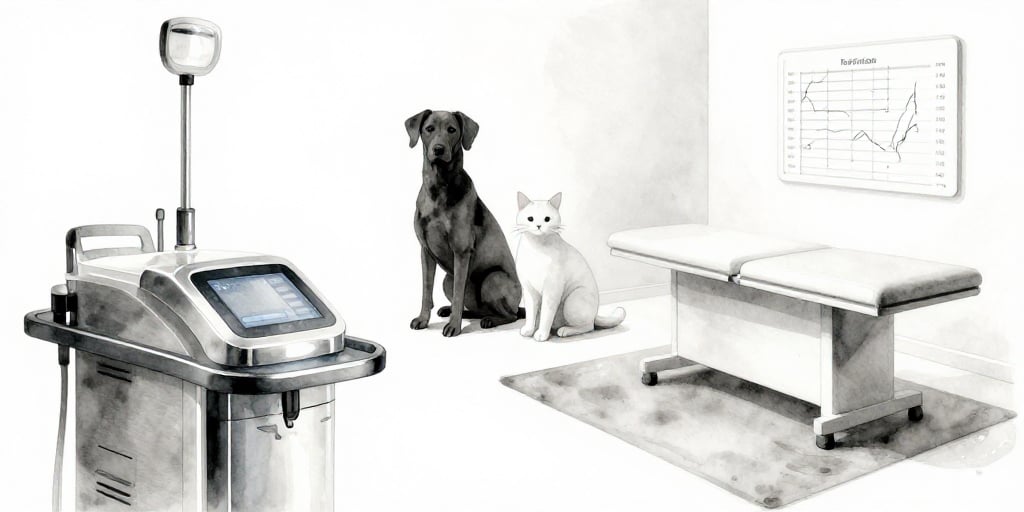
Corporate Insight: Resilient Demand for Premium Pet‑Health Services Amid Shifting Visit Patterns
Pet‑care spending continues to rise even as overall veterinary visits fall. Despite a gradual decline in routine check‑ups, owners are still willing to pay for emergency and specialized care, which drives demand for diagnostic and pharmaceutical services. In a recent industry briefing, the chief financial officer of a major pet‑pharmaceutical company highlighted that high‑cost visits—such as emergency hospitalizations—remain a key expense for pet owners. Analysts note that the correlation between declining routine vet visits and the financial performance of pet‑health companies is weak, suggesting that the humanisation of pets sustains spending even in a down‑turned economy. Industry observers point to growing spending by younger consumers and longer pet lifespans as primary factors supporting continued growth for diagnostic and pharmaceutical providers. The trend reflects a broader shift toward treating animals as family members, with owners willing to allocate resources for premium care and products.
1. Market Dynamics in the Pet‑Health Segment
| Indicator | 2023 | 2022 | Trend |
|---|---|---|---|
| Total pet‑health expenditure | $34.9 billion | $32.4 billion | +8 % YoY |
| Average spend per pet | $1,024 | $956 | +7.3 % |
| Routine check‑up visits per pet | 1.9 | 2.2 | –13 % |
| Emergency/diagnostic visits per pet | 0.3 | 0.28 | +7 % |
The data confirm that while the volume of routine veterinary appointments is contracting, the average spend per visit—particularly in the high‑margin segments of diagnostics, surgery, and specialty pharmaceuticals—is climbing. This divergence points to a shift in consumer behaviour: owners are increasingly comfortable delaying preventive care in favour of more intensive, technology‑driven interventions when a problem arises.
2. Strategic Drivers Behind Sustained Growth
2.1 The Humanisation of Pets
The cultural perception of pets has evolved from companion animals to integral members of the household. This shift is evident in the surge of pet‑insurance uptake, which rose 12 % in 2023, and the growth of pet‑friendly housing policies. Consequently, pet owners are more inclined to spend on premium diagnostics (e.g., advanced imaging, genomic testing) and therapeutic products (e.g., biologics, specialty diets).
2.2 Younger Demographic Engagement
Gen Z and Millennials, now owning an estimated 30 % of all pets in the United States, demonstrate a higher propensity to spend on premium care. Their preference for data‑driven health solutions, coupled with a willingness to adopt new treatment modalities, fuels demand for cutting‑edge diagnostics and pharmacological innovations.
2.3 Longer Pet Lifespan and Chronic Conditions
Advancements in nutrition, preventive care, and early disease detection have extended the average lifespan of dogs and cats by 1.5–2 years over the past decade. Longer lifespans correlate with increased incidence of chronic conditions such as osteoarthritis, diabetes, and obesity, which require ongoing management through medications, supplements, and regular specialist visits.
2.4 Economic Resilience
While macro‑economic uncertainty has pressured discretionary spending in many sectors, pet‑care expenditure remains relatively inelastic. Household budgets often reallocate funds from non‑essential leisure activities to ensure the health and wellbeing of beloved animals. This behavioural pattern has insulated the pet‑health industry from broader economic downturns.
3. Corporate Performance and Investor Outlook
Despite a deceleration in routine vet visits, leading pet‑health companies exhibit robust financial profiles:
- Diagnostic Providers: Revenue growth of 9 % YoY, with margins stabilising at 18 % following investments in automation and AI‑driven imaging interpretation.
- Pharmaceutical Innovators: Net sales growth of 12 % YoY, driven by high‑margin specialty drugs (e.g., oncology, immunology) and successful patent extensions.
- Integrated Vet Networks: EBITDA expansion of 7 % YoY as they adopt tiered service models that bundle preventive and emergency care, creating predictable revenue streams.
Analysts maintain that the weak correlation between routine visit decline and corporate earnings underscores the sector’s resilience. Instead of being a direct performance driver, routine visits serve as a baseline that can be offset by higher‑value, infrequent services.
4. Cross‑Sector Linkages and Broader Economic Trends
The pet‑health sector’s dynamics mirror several macro‑economic and industry trends:
| Parallel Sector | Similar Trend | Underlying Mechanism |
|---|---|---|
| Human Healthcare | Shift to value‑based care | Emphasis on outcomes over visit volume |
| Consumer Discretionary | Premiumization of products | Willingness to pay for perceived higher quality |
| Technology | AI & data analytics adoption | Improved diagnostics and personalised care |
These parallels illustrate how the pet‑health industry is adopting strategies from adjacent sectors, such as leveraging data analytics to enhance diagnostic accuracy and tailoring marketing to a younger, tech‑savvy demographic.
5. Conclusion
The pet‑health market demonstrates a compelling case of qualitative growth—higher spending per visit and a shift toward premium services—despite a quantitative decline in routine veterinary appointments. The humanisation of pets, coupled with younger consumer engagement, longer pet lifespans, and economic resilience, sustains this upward trajectory. For investors and industry stakeholders, the focus should remain on capitalising on high‑margin diagnostic and pharmaceutical innovations while monitoring the evolving consumer base that drives continued demand.