
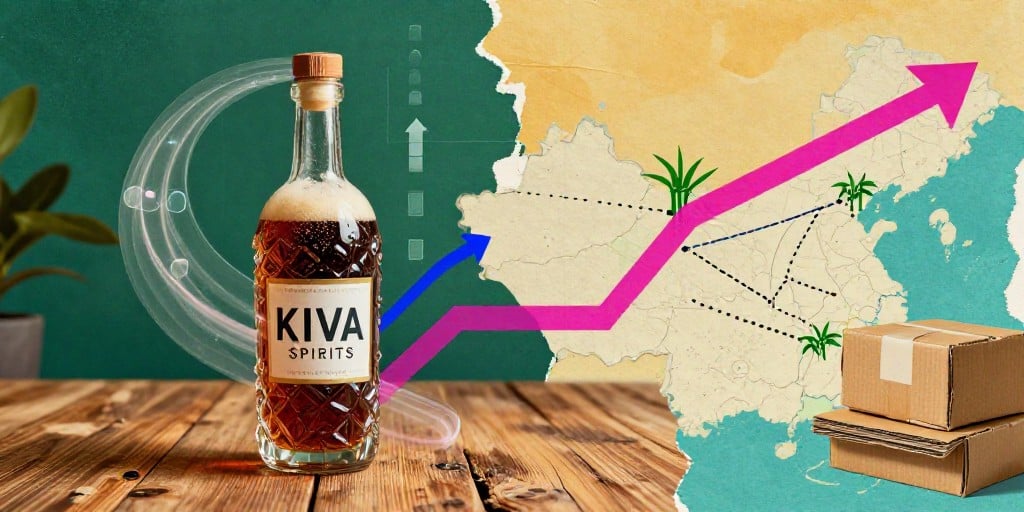
Strategic Implications of PepsiCo’s Diversification into Alcoholic Spirits
The recent announcement by PepsiCo’s Indian franchisee, Varun Beverages Limited, that it will launch a new subsidiary—KIVA Spirits—to enter the ready‑to‑drink (RTD) and alcoholic beverage market, offers a window into how a global consumer‑goods giant is positioning itself amid evolving retail dynamics, shifting consumer preferences, and increasingly complex supply‑chain realities.
1. Consumer‑Goods Trends and Market Opportunity
- Premium RTD Growth: India’s RTD segment has seen double‑digit CAGR over the past five years, driven by a younger demographic that values convenience and aspirational branding. KIVA’s focus on premium products aligns with the broader shift toward higher‑margin, lifestyle‑oriented consumables.
- Cross‑Category Synergies: PepsiCo’s established soft‑drink distribution network provides a ready channel for RTDs, while its brand equity in taste and packaging offers a competitive edge over newcomers.
- Regulatory Landscape: Alcoholic beverages in India are regulated at the state level, creating a fragmented market that can be costly to navigate. The company’s entry will likely require partnerships with state‑regulated bottlers and adherence to diverse excise structures.
2. Retail Innovation and Omnichannel Strategy
- Digital‑First Distribution: The rise of e‑commerce and food‑delivery platforms has accelerated the need for a seamless online presence. KIVA Spirits must integrate its product catalogue into major grocery‑delivery apps, while leveraging PepsiCo’s existing retail relationships to ensure shelf visibility.
- Experiential Retail: Experiential pop‑up stores and in‑store tastings can help educate consumers about RTDs, a product category that benefits from trial. This approach is consistent with PepsiCo’s broader experiential campaigns for its flagship brands.
- Data‑Driven Pricing: Real‑time market analytics will be essential to adjust pricing across price‑sensitive regions, particularly in a market where consumer willingness to pay can vary widely by state and socioeconomic segment.
3. Supply‑Chain Innovations
- Just‑In‑Time (JIT) Production: The RTD sector demands rapid response to market trends. PepsiCo’s global manufacturing footprint, coupled with localized bottling partners, can support a JIT model that reduces inventory costs and mitigates the risk of unsold stock in highly volatile segments.
- Cold‑Chain Optimization: Alcoholic beverages require careful temperature control during transport. Integrating advanced cold‑chain monitoring technologies will be critical, particularly for premium products where quality perception is paramount.
- Sustainability Considerations: Consumer awareness of environmental impact is growing. KIVA Spirits must adopt sustainable packaging (e.g., recyclable PET or glass) and low‑water‑usage bottling processes to appeal to eco‑conscious buyers and satisfy regulatory scrutiny.
4. Financial Outlook and Investor Perspective
- Short‑Term Impact: The share price reaction—down a few percent in early trade—reflects investor caution. Immediate earnings contributions are expected to be modest, as the company will initially allocate capital toward market entry, regulatory compliance, and brand development.
- Long‑Term Value Creation: Over time, a successful premium RTD portfolio can enhance PepsiCo’s overall addressable market. By capturing a share of the high‑margin alcoholic beverage sector, the company positions itself to benefit from rising consumer discretionary spending and changing alcohol‑consumption patterns.
- Risk Factors: Competitive pressure from established domestic players, complex state‑level excise regimes, and potential shifts in consumer sentiment toward alcohol will be ongoing risks. Investors will likely monitor how effectively KIVA Spirits navigates these challenges before translating into significant earnings lift.
5. Cross‑Sector Patterns and Industry Transformation
- Convergence of Beverage Categories: The move signals a broader industry trend where beverage giants are blurring lines between soft drinks, RTDs, and alcoholic beverages. This convergence allows for shared marketing, distribution efficiencies, and cross‑promotional opportunities.
- Retail 4.0 Adoption: Companies that integrate advanced analytics, AI‑driven personalization, and omnichannel logistics stand to outpace competitors. KIVA Spirits’ success will hinge on how well it marries these technologies with PepsiCo’s existing retail infrastructure.
- Consumer Empowerment: Modern consumers expect personalized experiences, quick access to product information, and seamless purchasing. Brands that can deliver across physical and digital touchpoints will capture loyalty in the long run.
In sum, PepsiCo’s foray into the premium RTD and alcoholic beverage market through KIVA Spirits illustrates a strategic attempt to diversify revenue streams, capitalize on rising consumer demand, and leverage its robust distribution and brand assets. While the immediate market reaction remains muted, the long‑term potential hinges on the company’s capacity to navigate regulatory complexity, innovate across the retail continuum, and deliver sustainable value to consumers and investors alike.