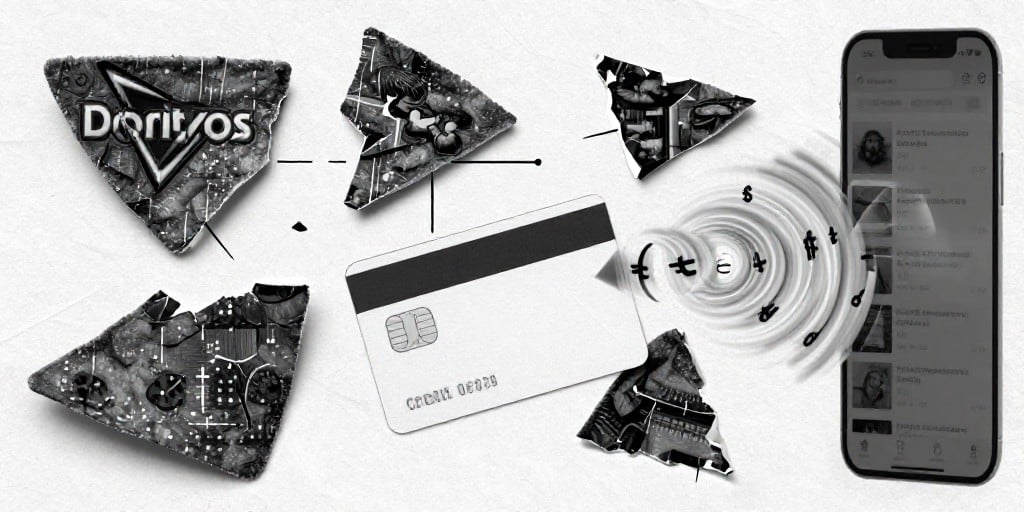
PepsiCo’s Strategic Price Adjustment Signals a Shift in Consumer‑Centric Retail Dynamics
PepsiCo Inc. has announced a modest price increase on several of its flagship snack lines—most notably Doritos and Ruffles—after previous cuts failed to generate sustained sales growth. The company stated that the adjustments will take effect later this year or in early 2027 and will still be below the price points reached before the initial reductions. The move is intended to align with inflationary pressures while preserving affordability for consumers, and it reflects a broader commitment to a long‑term affordability strategy amid escalating costs and competitive intensity in the North American market.
Aligning Price Strategy With Lifestyle Trends
The contemporary consumer is increasingly driven by a desire for authenticity, convenience, and wellness. Millennials and Gen Z shoppers, in particular, prioritize products that convey a sense of identity and social responsibility. PepsiCo’s decision to moderate price increases—rather than a sharp hike—respects these preferences by ensuring that its iconic snacks remain accessible to a demographic that values both brand heritage and affordability. This approach mitigates the risk of alienating price‑sensitive segments that are simultaneously seeking premium experiences through digital platforms.
Demographic Shifts and Generational Spending Patterns
The United States is experiencing a demographic transition marked by the rise of Gen Z and the aging of the Baby Boomer cohort. Gen Z’s spending power is increasingly channeled through online and mobile channels, yet they still engage in in‑store purchases when the experience is curated. By keeping snack prices relatively modest, PepsiCo positions itself to capture the “experience” spending of Gen Z—who are willing to pay a premium for convenience and social sharing—while simultaneously appealing to the cost‑conscious older generation that still values traditional retail visits.
Moreover, the company’s focus on maintaining affordability dovetails with the broader trend of “value‑centric” consumption, wherein consumers seek products that deliver perceived value rather than mere price discounts. The modest increase signals confidence that consumers will continue to choose PepsiCo’s offerings based on taste and brand equity rather than cost alone.
The Digital‑Physical Retail Convergence
The snack industry is at the crossroads of digital transformation and physical retail. On the one hand, data‑driven personalization—via loyalty apps and AI‑powered recommendations—allows brands to tailor promotions and product bundles directly to individual consumers. On the other hand, experiential retail spaces, such as pop‑up events and in‑store activations, create touchpoints that reinforce brand loyalty. PepsiCo’s pricing strategy indicates an acknowledgment that consumers value both the seamless digital experience and the tangible sensory cues of physical retail. By ensuring price stability, the company can invest more aggressively in digital marketing and in‑store experiential campaigns without eroding margin.
Forward‑Looking Market Opportunities
Subscription and Bundle Models With moderate price changes, PepsiCo can explore subscription services that bundle snack varieties with complementary products, appealing to Gen Z’s appetite for curated, convenience‑centric experiences.
Enhanced In‑Store Analytics Leveraging in‑store footfall and purchase data can help PepsiCo identify optimal price points for different demographics, ensuring that price adjustments translate into increased conversion rates rather than reduced volume.
Sustainability‑Focused Packaging As consumers increasingly weigh environmental impact in purchase decisions, PepsiCo could pair modest price increases with a commitment to sustainable packaging, thereby strengthening brand equity among eco‑conscious shoppers.
Localized Product Development Tailoring snack flavors to regional tastes—especially in multicultural urban centers—can create localized demand spikes that justify slight price adjustments while reinforcing cultural relevance.
Digital Loyalty Platforms Integrating rewards and personalized offers within a mobile app can convert price sensitivity into loyalty, reducing churn and generating repeat purchase data for future pricing models.
Conclusion
PepsiCo’s measured price increase underscores a strategic balance between fiscal prudence and consumer psychology. By recognizing the intertwined forces of digital transformation, generational spending habits, and evolving retail experiences, the company is positioning itself to capitalize on emerging opportunities while safeguarding its market share. The approach serves as a blueprint for other consumer‑packaged goods firms navigating the complex landscape of affordability, lifestyle trends, and retail innovation.