
Corporate Outlook: PepsiCo’s Q1 Momentum Amid Macro‑Market Resurgence
PepsiCo Inc. has delivered a robust first‑quarter earnings report, underscoring the company’s ability to navigate shifting consumer dynamics while capitalizing on favourable macroeconomic conditions. Revenue expansion was propelled in part by a deliberate pricing strategy that reduced the cost of several snack lines, a move that resonated with value‑sensitive consumers and aligned with broader retail trends toward accessible premium offerings.
The Confluence of Digital and Physical Retail
The company’s performance highlights an enduring intersection between e‑commerce acceleration and the persistent relevance of brick‑and‑mortar outlets. While online grocery and direct‑to‑consumer platforms continue to expand, consumers still demonstrate strong impulse purchasing in physical stores, particularly for snack products that benefit from immediate sensory engagement. PepsiCo’s pricing initiative in stores has thus amplified foot‑traffic conversion rates, reinforcing the complementary nature of digital touchpoints that gather data on purchase intent and return‑on‑investment, and physical aisles that deliver an experiential encounter with the brand.
Generational Spending Patterns and Lifestyle Shifts
Millennial and Gen‑Z cohorts increasingly prioritize convenience, health consciousness, and socially responsible sourcing. PepsiCo’s snack portfolio, which now includes fortified and plant‑based options, reflects a strategic pivot to meet these preferences. The company’s willingness to adjust price points also signals an astute response to the financial realities of younger consumers who allocate a larger share of disposable income toward experiences rather than material goods. By offering affordable access to quality products, PepsiCo is positioning itself as a bridge between experiential value and tangible consumption.
Cultural Movements and Consumer Experience
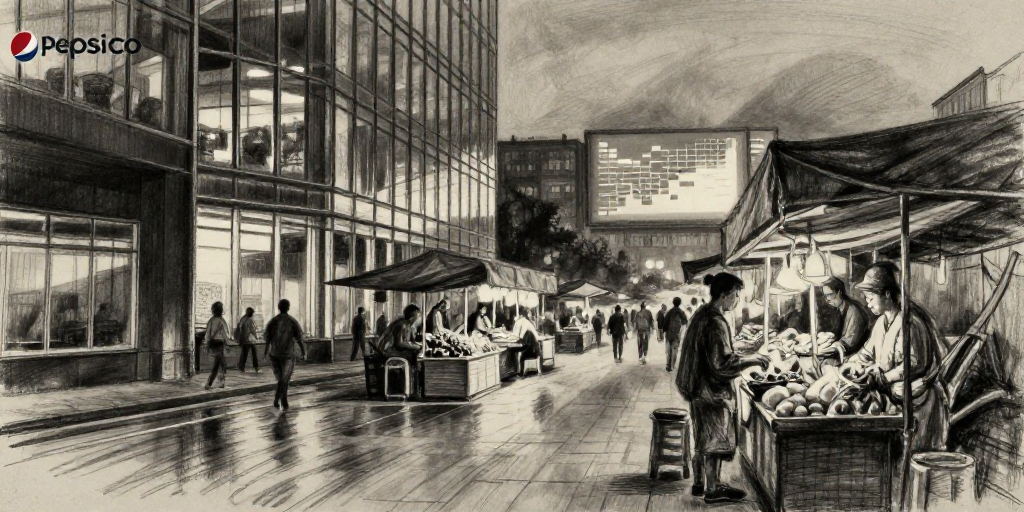
The broader cultural milieu is characterized by a resurgence in communal food experiences—cafés, food trucks, and pop‑up events—that emphasize shared moments and local flavors. PepsiCo’s sponsorship of regional festivals and the integration of its brands into pop‑up retail environments create immersive touchpoints that deepen emotional attachment. These cultural touchstones amplify brand visibility in an era where authenticity and community are paramount, thereby generating ancillary revenue streams beyond traditional shelf sales.
Macro‑Economic Underpinnings
The recent de‑escalation of geopolitical tensions in the Middle East and the reopening of a critical shipping corridor have exerted downward pressure on energy prices and alleviated inflationary pressures. Investors have responded with a pronounced equity rally, especially within the consumer staples sector. PepsiCo’s dividend policy—an exemplar among large staples—offers a stable return profile that appeals to portfolio managers seeking income resilience amid volatility. This dividend consistency, coupled with the firm’s strong cash‑flow generation, fortifies investor confidence in its long‑term growth trajectory.
Forward‑Looking Analysis
Strategic Pricing as a Lever for Growth Continued refinement of price elasticity models will enable PepsiCo to optimize margins without sacrificing volume. By harnessing real‑time analytics from digital sales platforms, the company can tailor promotions to demographic cohorts that exhibit higher price sensitivity.
Evolving Retail Footprints Expansion of experiential retail concepts—such as in‑store tasting zones and augmented‑reality brand experiences—will enhance consumer engagement. These initiatives can bridge the gap between digital convenience and sensory fulfillment, a critical factor for sustaining brand loyalty in a competitive landscape.
Sustainable and Health‑Focused Product Lines Investment in research and development of plant‑based, low‑sugar, and fortified snack alternatives will align with ongoing lifestyle trends. Partnerships with local producers can further embed sustainability into the supply chain, reinforcing PepsiCo’s positioning as a responsible consumer brand.
Capitalizing on Macro‑Stable Dividends With the dividend yield serving as a magnet for income investors, PepsiCo can leverage this feature to support share price resilience during cyclical downturns. Maintaining a balanced payout ratio will preserve capital for reinvestment while satisfying investor expectations for consistent returns.
Geopolitical Risk Mitigation Diversifying sourcing across regions and enhancing supply‑chain agility will safeguard against future disruptions. This proactive stance ensures uninterrupted product availability, a key determinant of consumer trust.
In sum, PepsiCo’s first‑quarter results reflect a confluence of strategic pricing, adaptive retail integration, and alignment with contemporary cultural and lifestyle currents. The synergy between digital insights and physical retail touchpoints, underpinned by stable dividend policy and macro‑economic tailwinds, positions the company to capture expanding consumer opportunities. As demographic shifts continue to reshape spending patterns, PepsiCo’s ability to innovate within both the product portfolio and consumer experience framework will be instrumental in sustaining its competitive advantage and delivering value to shareholders.